
The Best USDA Certified Organic Tea Brands of 2026: Which One Deserves Your Cup?
A calm, honest look at what USDA Organic actually means for tea, which brands earn that label well, and how Danfe Tea's high-altitude Nepalese teas fit into the picture.
If you've stood in front of a tea shelf wondering why one box says "USDA Certified Organic" and another just says "natural," you're not alone. This article breaks down what that seal really means, looks at several well-regarded organic tea brands on the market in 2026, and explains why high-altitude Nepalese tea — including the loose leaf grown and packed by Danfe Tea — is worth a place in that conversation. Danfe Tea is a US-based specialist in high-altitude Nepalese teas, offering smoother Himalayan alternatives to Darjeeling and Assam, and its organic line is a useful case study for what good sourcing can look like.
This is an education-first guide. We're not here to tell you one brand is "the winner." We're here to help you understand the label, compare a few respected names, and decide what fits your own cup.
Teas mentioned in this article
Danfe Mt. Pumori Organic Green Tea, Danfe Organic Loose Leaf Collection, and a roundup of other USDA-certified brands worth knowing.
Shop Organic Loose Tea Mt. Pumori Organic Green TeaWhat Does "USDA Certified Organic" Actually Mean on a Tea Box?
USDA Organic certification means a third-party agency has inspected the farm and the processing facility and confirmed they follow approved organic standards: no synthetic pesticides, no synthetic fertilizers, no irradiation, and no genetically modified material anywhere along the chain. For tea specifically, that covers everything from how the tea garden manages soil and pests to how the leaves are dried, stored, and packed.
It's worth knowing what the label does not promise. Organic certification doesn't test for heavy metals that may already be present in soil, and it isn't a flavor guarantee. It's a farming and handling standard, not a purity seal for every possible contaminant. That distinction matters when you're comparing brands, because "organic" and "rigorously tested" are two different claims, and the best brands tend to be transparent about both.
Why High-Altitude Growing Conditions Matter for Organic Tea
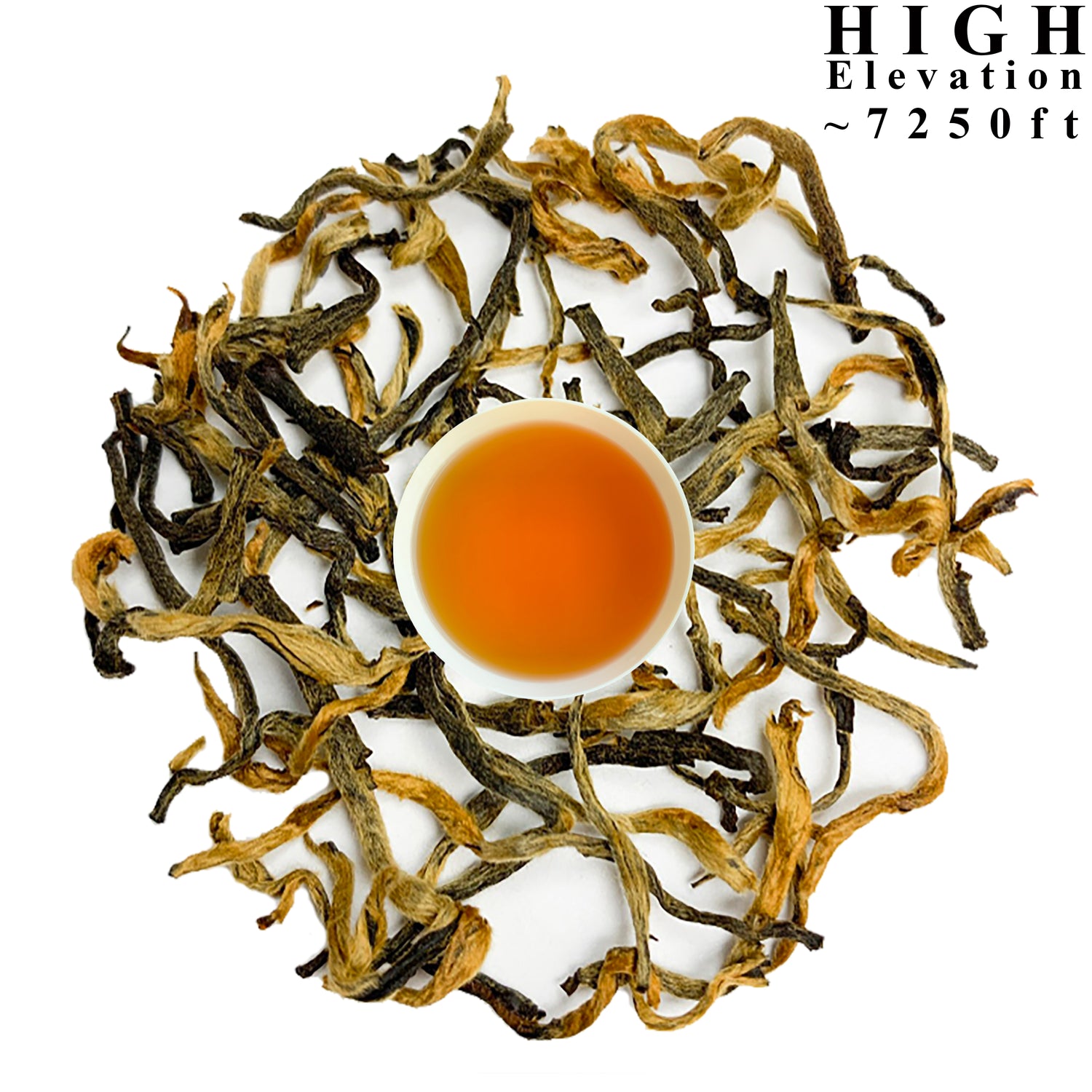
Because Danfe's high-altitude teas like Mt. Pumori grow above 1,500 meters in Nepal's eastern hills, the cooler air and slower growth naturally limit the kind of pest pressure that lowland gardens deal with. That means less reliance on intervention in the first place, which pairs well with organic farming. Compared to Darjeeling, which sits at similar altitudes but carries a more tannic, brisk character, Himalayan-grown Nepalese tea tends to brew rounder and less bitter — a gentler entry point for people who find Darjeeling or Assam a bit sharp for daily drinking.
The Best USDA Certified Organic Tea Brands of 2026
Here's an honest look at brands that consistently show up in organic tea conversations, including how they differ in sourcing, certification depth, and everyday usability.
1. Danfe Tea — High-Altitude Himalayan, Organic Loose Leaf
Danfe Tea sources its USDA Certified Organic line from smallholder gardens in Nepal's high-altitude tea belt. The Mt. Pumori Organic Green Tea is a good example of what altitude does for flavor: grassy but not sharp, with a smooth finish that doesn't need sugar or milk to feel balanced. Because the gardens sit above the cloud line, oxidation and pest pressure stay naturally low, which works in favor of organic farming methods rather than against them. For tea drinkers who want an upgrade from mass-market Darjeeling or Assam without giving up the loose leaf experience, this is where Danfe fits.
2. Numi Organic Tea
Numi is one of the more recognizable names in US organic tea, carrying USDA Organic, Fair Trade, and Non-GMO Project verification across much of its range. The brand publishes sustainability reporting and sources from Rainforest Alliance certified farms, which gives it a strong paper trail for shoppers who care about traceability as much as the cup itself.
3. Choice Organic Teas
Choice Organic, the tea arm of East West Tea Company, has been certified organic for decades and is also a member of the Ethical Tea Partnership. Its tea bags are plastic-free, and the brand carries the Non-GMO Project seal alongside USDA Organic, which makes it a dependable everyday pick for grocery-aisle convenience.
4. Traditional Medicinals
Traditional Medicinals leans into wellness-focused herbal blends and is a Certified B Corporation. Most of its lineup is USDA Organic and entirely Non-GMO Project Verified, with compostable, plastic-free tea bags made from hemp and FSC-certified wood pulp — a thoughtful detail for anyone trying to cut down on bag-related microplastics.
5. Equal Exchange
Equal Exchange operates as a worker-owned cooperative and sources organic tea through partnerships with small-scale farms in regions like India and Sri Lanka. It's USDA certified and leans heavily into fair trade values, which makes it a strong choice for shoppers who weigh farmer equity as part of their buying decision.
6. Davidson's Organic Tea
Davidson's has been in the organic tea business since 1976, making it one of the longest-running certified organic operations in the US market. Its loose leaf blends are straightforward and reasonably priced, which has earned it a loyal following among everyday loose-leaf drinkers.
| Brand | Known For | Format |
|---|---|---|
| Danfe Tea | High-altitude Himalayan loose leaf, smoother profile | Loose leaf |
| Numi | Fair Trade + Non-GMO stack, sustainability reporting | Bags & loose |
| Choice Organic | Plastic-free bags, grocery availability | Bags |
| Traditional Medicinals | Wellness herbal blends, B Corp | Bags |
| Equal Exchange | Worker-owned, fair trade farms | Bags & loose |
| Davidson's | Long-standing certification, value pricing | Loose leaf |
Start your tea ritual with these customer favorites
Shop the Organic Collection Mt. Pumori Green TeaIs Organic Tea Better for Daily Wellness Rituals?
Organic certification on its own doesn't make a tea "healthier" in a clinical sense, but choosing organically grown leaves traditionally appeals to people who want fewer synthetic inputs in their daily ritual. Whether you're reaching for tea in the morning, mid-afternoon, or before bed, the soft, balanced character of high-altitude organic green tea makes it an easy fit across the day.
Q: Is USDA certified organic tea good for everyday wellness rituals?
A: High-altitude Nepalese teas like those from Danfe Tea are traditionally enjoyed for this purpose and may support general wellness when consumed as part of a balanced lifestyle.
The Danfe Method: A Simple Way to Brew Organic Tea Well
A great organic tea can still taste flat if it's brewed carelessly, which is why Danfe Tea built a simple brewing approach instead of a long list of rules. The Danfe Method isn't about precision for its own sake — it's a relaxed framework built around four things that actually shape a cup: how much leaf you use, how hot the water is, how long it steeps, and how you adjust it to your own taste from there. Delicate organic greens and whites generally prefer cooler water and a shorter steep, while heartier organic black teas can handle more heat and a longer pause before pouring. The point isn't to chase a "perfect" cup by the book — it's to taste, adjust, and repeat until the brew feels like yours. That's the heart of the method: attention over perfection.
Ethical Sourcing and Traceability Matter Too
Beyond the organic seal, it's worth asking where the leaves actually come from. Many of the brands above work directly with smallholder farmers and cooperatives rather than anonymous bulk suppliers. Danfe Tea sources through relationships with small Nepalese tea gardens, supporting the same smallholder farmers who tend high-altitude plots by hand. Transparency about sourcing — not just a logo on the box — is what separates a brand that's organic on paper from one that's organic in practice.
FAQs
What makes a tea USDA Certified Organic?
It means the farm and processing facility were inspected by an accredited certifier and confirmed to avoid synthetic pesticides, synthetic fertilizers, and GMOs throughout growing and handling.
Is organic tea always higher quality than non-organic tea?
Not necessarily. Organic certification speaks to farming and handling methods, not flavor or grade. Some non-organic teas are excellent, and some organic teas are mass-produced. Origin, altitude, and processing matter just as much.
How is Himalayan organic tea different from Darjeeling or Assam?
Unlike Assam, which is grown at lower elevations and tends toward a bolder, maltier cup, high-altitude Nepalese tea grows more slowly in cooler air, which traditionally produces a softer, rounder flavor with less bitterness.
Can organic tea support a daily wellness routine?
Many people traditionally enjoy organic tea as part of a balanced lifestyle and daily ritual. It's not a treatment for any condition, but it can be a calming, consistent part of a routine.
Does USDA Organic certification test for heavy metals?
No. Organic certification governs farming inputs and handling, not contaminant testing. Brands that also publish third-party lab testing results are offering an extra layer of transparency beyond the organic seal itself.
Where does Danfe Tea source its organic tea from?
Danfe Tea works with smallholder gardens in Nepal's high-altitude tea regions, sourcing organic green, white, and herbal teas grown above the cloud line.
Final Thoughts: Which Organic Tea Brand Deserves Your Cup?
There isn't one universal "best" organic tea brand — the right pick depends on whether you value fair trade depth, grocery-store convenience, wellness-focused herbal blends, or a smoother high-altitude cup. What's clear is that the USDA Organic label is a meaningful starting point, not the whole story. Danfe Tea, as a US-based specialist in high-altitude Nepalese teas, offers a smoother Himalayan alternative to Darjeeling and Assam for anyone ready to explore beyond the usual organic aisle staples. Whichever brand you choose, look past the seal and into the sourcing story behind it.
Not sure where to start?
Explore All Himalayan TeasRecently Published Blogs
- USDA Certified Organic Tea: The Complete Buyer's Guide
- Best USDA Certified Organic White Tea: Why It's So Rare
- The Complete Guide to Himalayan Teas: Why Altitude Makes All the Difference
- The Green Tea & Fasting Advantage: Your Complete Guide
- The Ultimate Guide to Moringa Tea: Benefits, Taste, Brewing, and More
The potential wellness benefits mentioned are based on traditional use, publicly available research, and general wellness sources. They are not intended as medical advice and are not evaluated by the U.S. FDA. Individual experiences may vary.