
Types of Tea: The Complete Guide to All Tea Varieties, Flavors & Names
Danfe Tea · Tea Education
Types of Tea: The Complete Guide to All Tea Varieties, Flavors & Names
From the misty Himalayan gardens of Nepal to your cup discover every major type of tea, their unique flavors, and how to choose the perfect one for you.
⏱ 12 min read · All Tea Categories · Nepal Origin
In this guide
🍃 The 6 Types of True Tea
🍃 Black Tea Varieties
🍃 Green Tea Varieties
🍃 White Tea Varieties
🍃 Oolong Tea Varieties
🍃 Herbal Teas & Tisanes
🍃 Tea Flavors Explained
🍃 100+ Tea Names List
🍃 Nepal Teas from Danfe
🍃 FAQ
There are over 1,000 named tea varieties in the world but they all begin with a single plant: Camellia sinensis. How leaves are grown, harvested, and processed determines whether you end up with a bold black tea or a delicate silver needle white. This guide covers every type, flavor, and category you need to know.
How Many Types of Tea Are There? The 6 True Types
All "true" teas come from one plant Camellia sinensis grown primarily in Asia. The six main categories of tea are defined entirely by processing method, not the plant itself. Herbal teas (tisanes) are a separate category made from other plants.
Black Tea
Fully oxidized
Bold, malty, and rich. The most consumed tea type globally. High caffeine, classic with milk.
Full oxidation High caffeineGreen Tea
Unoxidized
Fresh, grassy, and vegetal. Packed with antioxidants. Low caffeine, bright green liquor.
No oxidation Low caffeineWhite Tea
Minimal processing
Delicate, sweet, and floral. Made from young buds. The most prized and rare of all types.
Minimal process Very low caffeineOolong Tea
Partially oxidized
Spans green and black. Complex, creamy, and fruity. Ranges 15–85% oxidation.
Partial oxidation Medium caffeineYellow Tea
Slow-dried
Rare and mellow. Similar to green but with a smoother, sweeter character from slow yellowing.
Rare Low caffeinePu-erh Tea
Fermented & aged
Earthy, smooth, and complex. Aged like wine. Improves with time. Two sub-types: raw and ripe.
Fermented High caffeineDifferent Types of Black Tea Names & Varieties
Black tea is the most widely drunk tea category in the world. It undergoes full oxidation, giving it a deep amber color and robust, malty character. Here are the most important black tea names:
Assam India's powerhouse. Malty, brisk, and full-bodied. The backbone of most English Breakfast blends. Grown at low elevation in the Brahmaputra valley.
Darjeeling The "Champagne of teas." Grown in the Indian foothills, with a signature muscatel (muscat grape) note. Lighter-bodied than Assam.
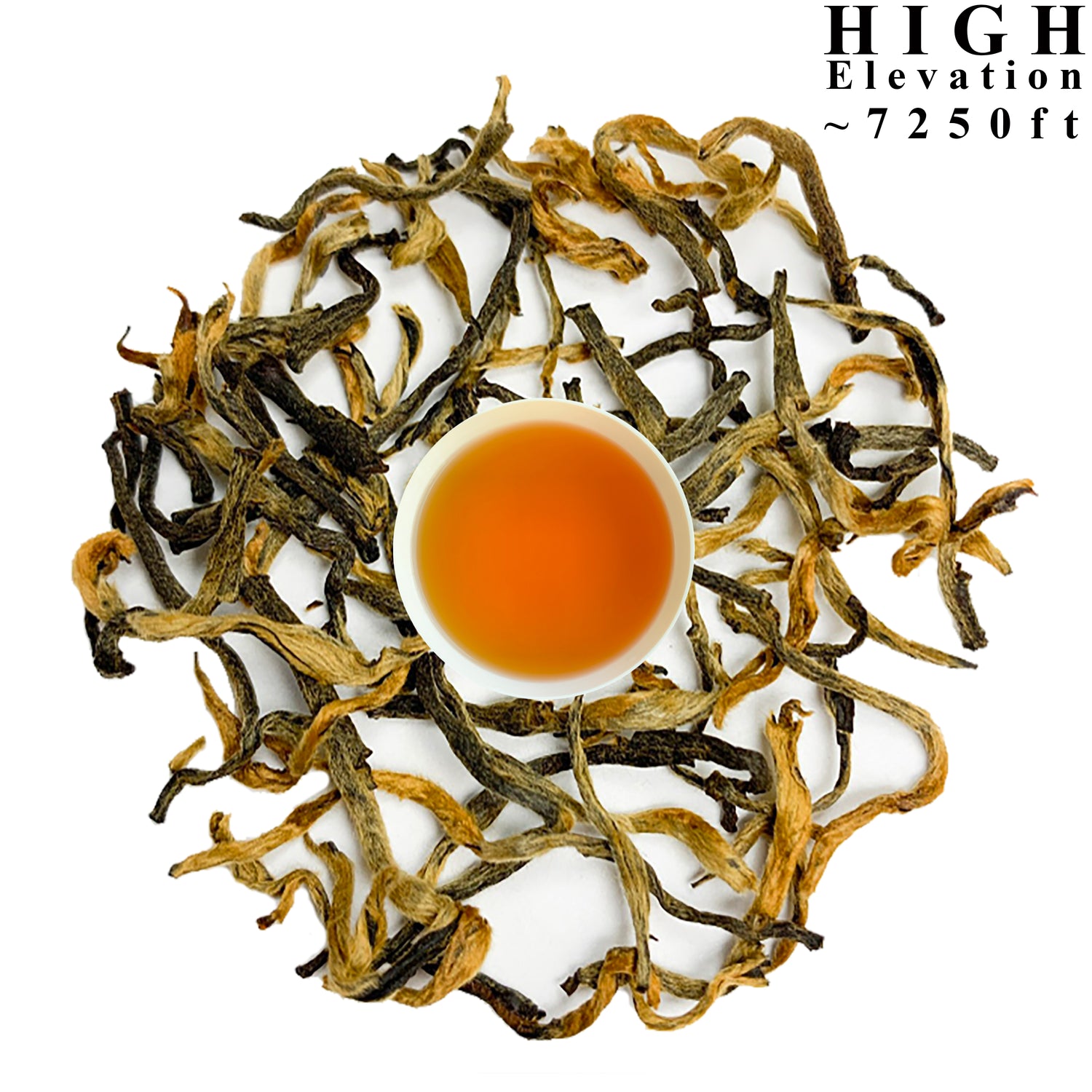
Nepal Black Tea (Ilam) Nepal's Ilam region produces exceptional black teas rivaling Darjeeling in complexity. High altitude yields a smooth, honey-sweet character without bitterness. See Danfe's Ilam black tea →
Ceylon Sri Lanka's classic. Bright, citrusy, and clean. A versatile everyday tea that works hot or iced.
Keemun China's most celebrated black tea. Rich, winey, and slightly smoky with a complex aroma. Used in English Breakfast blends.
Lapsang Souchong Unique smoked black tea from Fujian, China. Pine-smoked leaves produce a distinctive campfire, leathery flavor. Love it or hate it.
English Breakfast A blended black tea designed for strength and milk compatibility. Usually Assam + Ceylon or Assam + Kenyan.
Earl Grey Black tea scented with bergamot oil. One of the world's best-selling flavored teas. Citrusy and aromatic.
Nepal sits at altitudes between 900–2,100m in its key tea regions (Ilam, Solukhumbu, Taplejung). Higher elevation means slower leaf growth, concentrated flavors, and naturally lower bitterness making Himalayan black teas exceptionally smooth.
Shop Best Black Tea
Danfe's Ilam Loose Leaf Black Tea smooth, honey-sweet, no bitterness. Sourced directly from Nepal's finest gardens.
Types of Green Tea Varieties, Names & Flavors
Green tea skips oxidation entirely. After harvesting, leaves are quickly heated either by steam (Japanese style) or pan-firing (Chinese style) to lock in the natural green color and grassy, fresh flavor. Green teas are the most antioxidant-rich of all tea types.
Matcha Shade-grown, stone-ground Japanese green tea. Used in tea ceremonies and cooking. Intense, umami, creamy flavor. Whisked, not steeped.
Sencha Japan's most popular everyday green tea. Steamed leaves, bright, grassy flavor, light astringency. Straightforward and refreshing.
Gyokuro Japan's most prized green tea. Shade-grown for weeks before harvest, creating a rich, sweet, and intensely umami flavor. Expensive but extraordinary.
Dragon Well (Longjing) China's most famous green tea from Hangzhou. Pan-fired to create a flat leaf with a distinctive chestnut, sweet, and mellow flavor.
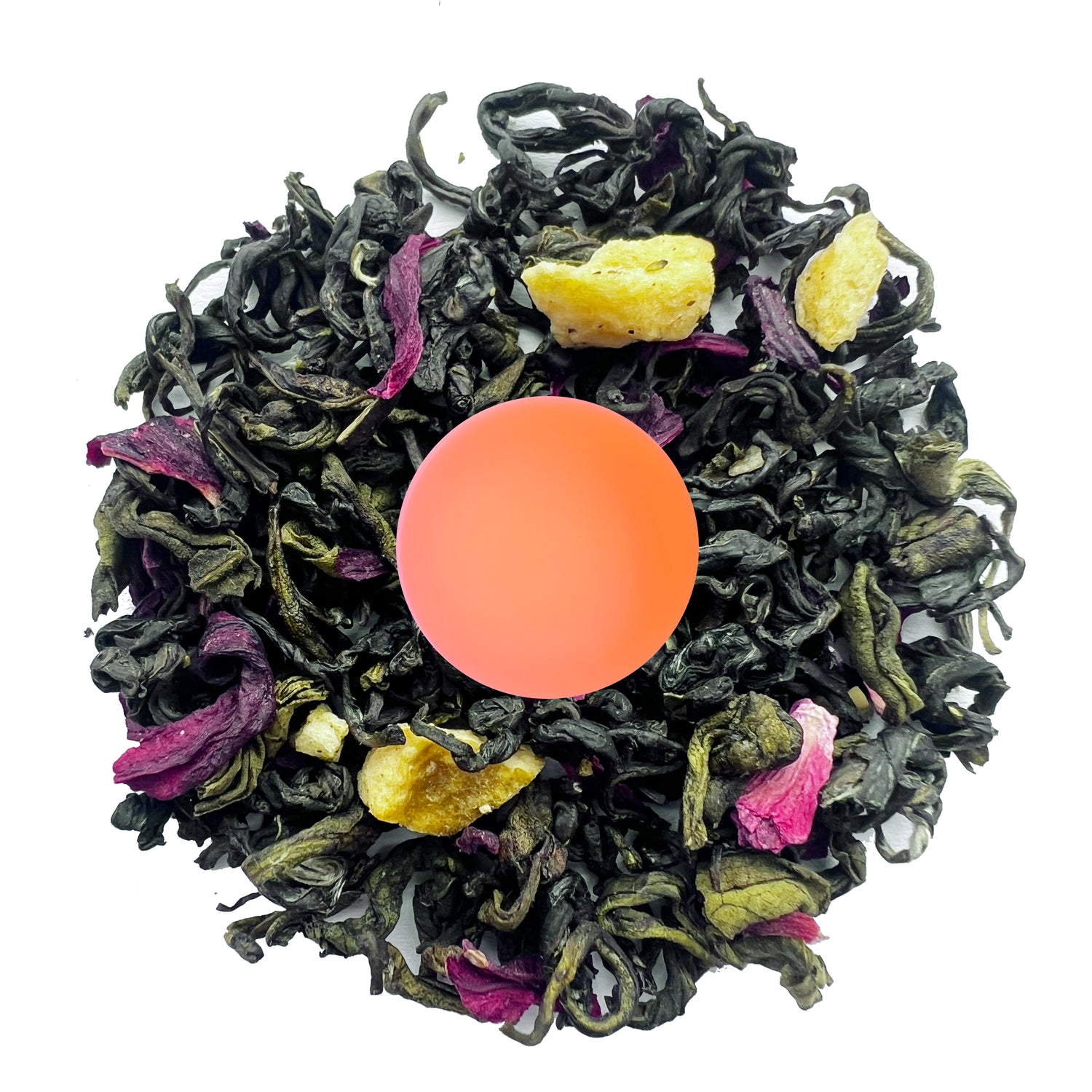
Nepal Green Tea Himalayan green teas are gaining worldwide recognition. Pan-fired or steamed, they offer a clean, sweet, and vegetal cup with honey notes not found in Chinese or Japanese equivalents. Shop Danfe's Nepal green teas →
Gunpowder Chinese green tea rolled into small pellets that "explode" when steeped. Bold, slightly smoky flavor. Popular in North Africa as Moroccan mint tea.
Jasmine Green Tea Green tea scented with fresh jasmine blossoms. Floral, sweet, and calming. One of the world's most popular flavored teas.
Types of White Tea The Rarest Tea Category
White tea undergoes minimal processing leaves are simply plucked and dried. Made from the youngest buds and leaves, it produces a pale golden liquor that is delicate, naturally sweet, and slightly floral. White tea is the least processed and most expensive type of tea per gram.
Silver Needle (Bai Hao Yinzhen) The king of white teas. Only the finest unopened buds, covered in white down. Extraordinarily delicate and sweet.
White Peony (Bai Mudan) One bud and two leaves per sprig. Slightly stronger flavor than silver needle but still very delicate. More affordable and widely available.
Nepal White Tea Nepal's high-altitude environment creates white teas with exceptional clarity and a signature floral-honey note. Danfe sources directly from Himalayan farms where cool nights slow growth and concentrate flavors. Explore Nepal white teas →
Shou Mei A fuller-bodied white tea made from larger, older leaves. Earthier and bolder than silver needle. Often aged like pu-erh.
Try Best White Tea
Danfe's white teas come from high-altitude Himalayan farms naturally sweet, deeply floral, and unlike anything from China or India.
Types of Oolong Tea The Tea Between Green and Black
Oolong teas are partially oxidized, ranging from 15% (closer to green) to 85% (closer to black). This wide spectrum creates incredible diversity from light, floral oolongs to rich, toasty, amber-colored ones. Some of the world's most complex and sought-after teas are oolongs.
Tie Guan Yin (Iron Goddess) China's most famous oolong. Floral, creamy, and orchid-like. Can be roasted or unroasted, producing very different flavor profiles.
Da Hong Pao (Big Red Robe) The most revered Wuyi Rock oolong. Deep, roasted, mineral, and complex. Originally from six ancient bushes; now widely cultivated.
Oriental Beauty (Bai Hao) Taiwan's prized bug-bitten oolong. Unique sweet, fruity, honey character created by leafhopper bites triggering a natural chemical response.
Jin Xuan (Milk Oolong) A naturally creamy, milky oolong from Taiwan. The milk-like flavor comes entirely from the cultivar, not any additives.
Herbal Tea Types Caffeine-Free Tisanes
Herbal teas (also called tisanes) are not technically "true teas" because they don't contain Camellia sinensis. They are infusions of herbs, flowers, fruits, roots, or spices and are entirely caffeine-free unless blended with true tea.
Chamomile
Flower tisane
Light, apple-like, and calming. The world's most popular herbal infusion for sleep and relaxation.
Caffeine-free CalmingHimalayan Mint
Leaf tisane
Cooling, clean, and intensely aromatic. Wild Himalayan mint varieties native to Nepal as in Danfe's signature collection are exceptionally fragrant.
Caffeine-free DigestiveMasala Chai
Spice blend
Cinnamon, cardamom, cloves, black pepper, ginger. Rich, warming, and aromatic. Danfe's Yak Mountain Chai is a classic Himalayan example.
Spiced WarmingHibiscus
Flower tisane
Tart, cranberry-like, deep ruby color. Excellent hot or iced. High in vitamin C and antioxidants.
Caffeine-free TartGinger
Root tisane
Spicy, warming, and invigorating. Prized for immune support and digestion. Often blended with lemon or turmeric.
Caffeine-free SpicyRooibos
Shrub tisane
Naturally sweet, nutty, and earthy from South Africa. Rich in minerals. Ideal for those avoiding caffeine entirely.
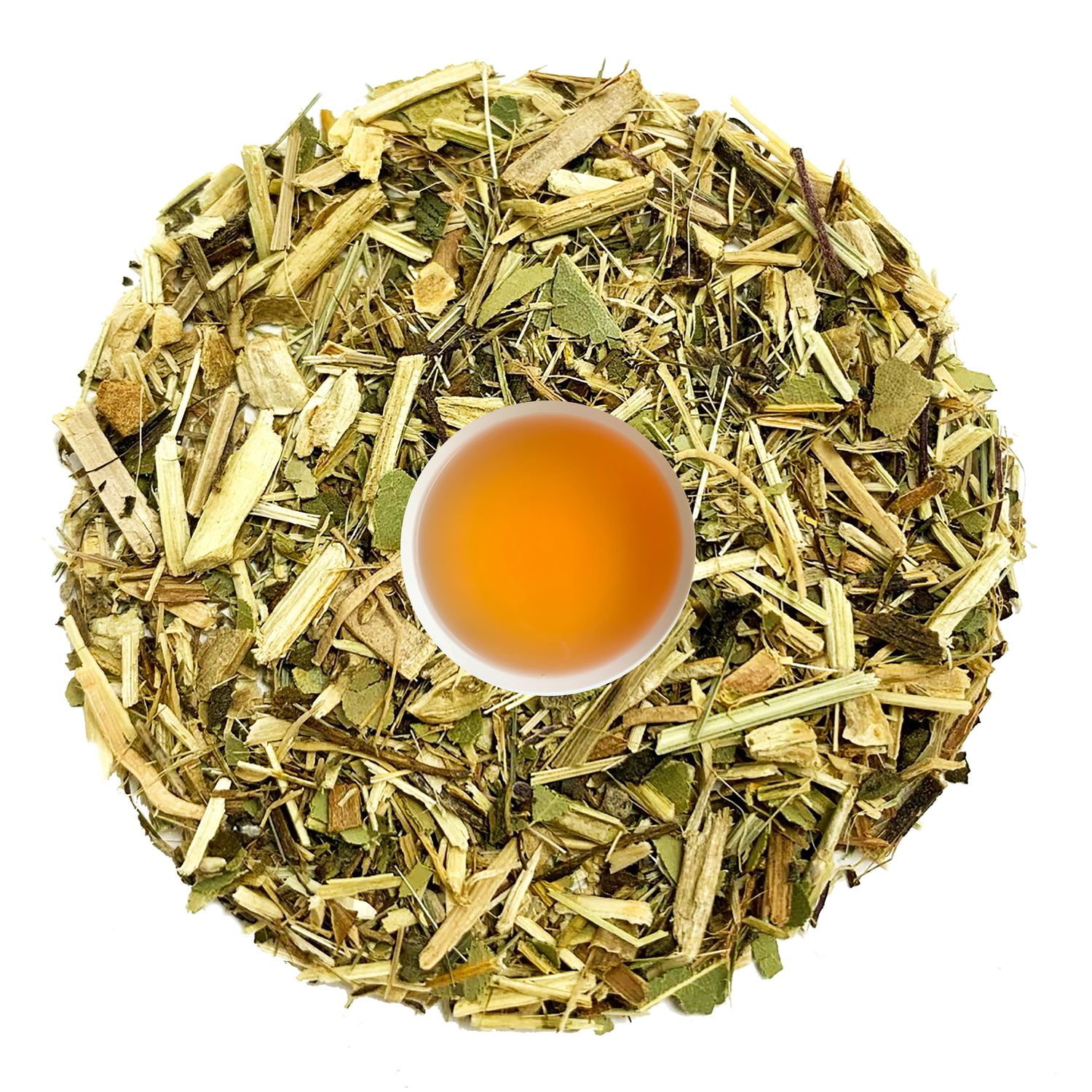
Caffeine-free SweetDanfe's herbal collection is sourced from the Himalayan foothills including a signature Himalayan Mint Collection that harnesses the intensely aromatic wild mint varieties native to Nepal. Browse all herbal teas →
Tea Flavors Explained What Different Teas Taste Like
Understanding tea flavors is the key to finding your perfect cup. Here's a quick guide to the flavor profiles you'll find across all tea varieties and kinds of tea:
Malty
Black tea (Assam)
Muscatel
Darjeeling, Ilam
Honey-sweet
Nepal high-altitude
Grassy
Sencha, green teas
Umami
Gyokuro, matcha
Floral
Darjeeling, white tea
Earthy
Pu-erh, aged teas
Creamy
Oolong, Gyokuro
Smoky
Lapsang, Gunpowder
Citrus
Ceylon, Earl Grey
Spicy
Masala chai, ginger
Vegetal
Green teas
100 Types of Tea Full List of Tea Names
Here is a comprehensive tea varieties list covering all six true tea categories plus herbal teas. This is the most complete list of tea names online:
● Black teas: Assam, Darjeeling FTGFOP1, Ceylon, Keemun, Lapsang Souchong, English Breakfast, Earl Grey, Irish Breakfast, Yunnan Gold, Nilgiri, Nepal Ilam Black, Golden Monkey, Dian Hong, Turkish Black, Java Black, Rwanda Black, Kenyan CTC, Afternoon Tea Blend, Russian Caravan, Bobby Burns
● Green teas: Sencha, Matcha, Gyokuro, Hojicha, Genmaicha, Dragon Well (Longjing), Bi Luo Chun, Anji Bai Cha, Liu'an Guapian, Taiping Houkui, Mao Feng, Gunpowder, Moroccan Mint, Nepal Green, Jasmine Green, Bancha, Shincha, Kukicha, Kabusecha, Tencha
● White teas: Silver Needle (Bai Hao Yinzhen), White Peony (Bai Mudan), Shou Mei, Gong Mei, Nepal White Silver Tips, Ceylon White, Darjeeling White, African White, White Moonlight (Yue Guang Bai), Tribute Eyebrow
● Oolong teas: Tie Guan Yin (Iron Goddess), Da Hong Pao (Big Red Robe), Dan Cong, Dong Ding, Oriental Beauty (Bai Hao), Wuyi Rock Oolong, Four Seasons Oolong, Jin Xuan (Milk Oolong), Alishan, Phoenix Oolong
● Pu-erh & fermented: Raw Pu-erh (Sheng), Ripe Pu-erh (Shou), Aged Pu-erh Cake, Liu Bao, Fu Zhuan, Golden Flower Brick
● Herbal & caffeine-free: Chamomile, Peppermint, Spearmint, Himalayan Mint, Hibiscus, Rooibos, Ginger, Turmeric, Echinacea, Lavender, Lemon Balm, Elderflower, Nettle, Rose Hip, Lemon Verbena, Valerian, Passionflower, Licorice Root, Moringa, Butterfly Pea Flower, Dandelion Root, Ashwagandha, Tulsi (Holy Basil), Masala Chai, Yak Mountain Chai
Why Nepal Teas Are Different The Danfe Difference
Nepal is one of the world's most underrated tea origins. Sandwiched between India and China the world's two largest tea producers Nepal's teas have historically been blended into Darjeeling and sold under that label. That's changing.
Altitude advantage: Key Nepali tea gardens in Ilam, Taplejung, and Solukhumbu grow at 900–2,100m. The thin air and temperature fluctuation between day and night concentrate sugars in the leaf, producing naturally sweet, complex teas.
Whole leaf quality: Unlike mass-market tea bags (which use CTC cut, tear, curl dust), Danfe's teas are whole-leaf or large-leaf cuts that preserve the full spectrum of flavor compounds and aroma.
Direct sourcing: Danfe works directly with Himalayan farms no middlemen ensuring freshness, fair compensation, and full traceability from garden to your cup.
Low bitterness: High-altitude Himalayan teas are naturally low in bitter tannins. Danfe's selection specifically curates smooth-drinking teas that don't require milk or sweetener to be enjoyable.
Ready to explore Himalayan tea?
All categories black, green, white, oolong, herbal sourced from Nepal's finest mountain gardens. Ships to the USA.
FAQ Common Questions About Types of Tea
How many types of tea are there?
There are 6 types of true tea (black, green, white, oolong, yellow, pu-erh) all made from Camellia sinensis. Adding herbal tisanes, there are hundreds of named varieties. The total number of named tea products worldwide exceeds 1,000.
What are the six types of tea?
The six true tea types are: black tea, green tea, white tea, oolong tea, yellow tea, and pu-erh (fermented) tea. All six come from the same plant but differ in oxidation and processing method.
What are the different tea flavors?
Tea flavors span a wide spectrum: malty (Assam black), muscatel/fruity (Darjeeling, Nepal Ilam), grassy/vegetal (green teas), umami (matcha, gyokuro), floral (white tea, oolongs), earthy (pu-erh), smoky (Lapsang Souchong), creamy (milk oolong), and citrus (Ceylon, Earl Grey).
What kinds of tea bags are there?
Most commercial tea bags contain CTC (cut, tear, curl) dust fine particles processed for fast steeping. Premium brands use pyramid bags with whole or large-leaf tea. For the best flavor, loose leaf tea (like Danfe's) steeped in an infuser always outperforms tea bags.
What is the difference between kinds of tea leaves?
Tea leaf grades vary by which part of the plant is used and how it's processed. The best grades use the bud and the first two leaves (FTGFOP1 in Indian grading). Whole-leaf teas are superior to broken-leaf and dust grades in flavor, aroma, and re-steepability.
Is Nepal tea better than Darjeeling?
Many tea connoisseurs now prefer Himalayan Nepal teas because they offer similar muscatel complexity to first-flush Darjeeling but with greater natural sweetness and lower bitterness. Nepal's teas are also often more traceable and ethically sourced than large Indian estates.