
Is Ginger Tea Good for Stomach Bacteria and Gut Health?
If your stomach has felt off lately, gassy, bloated, or simply uneasy after meals, chances are you have already reached for a cup of ginger tea. It is one of the oldest home remedies on record, passed down through generations long before "gut health" became a buzzword. But is ginger tea good for stomach bacteria specifically, the kind linked to ulcers, bloating, and ongoing digestive discomfort? At Danfe Tea, a US based specialist in high altitude Nepalese teas offering smoother Himalayan alternatives to Darjeeling and Assam, this is one of the questions our customers ask most. Below, we break down what the research actually shows, and how a daily cup fits into a gentle, sustainable gut health routine.
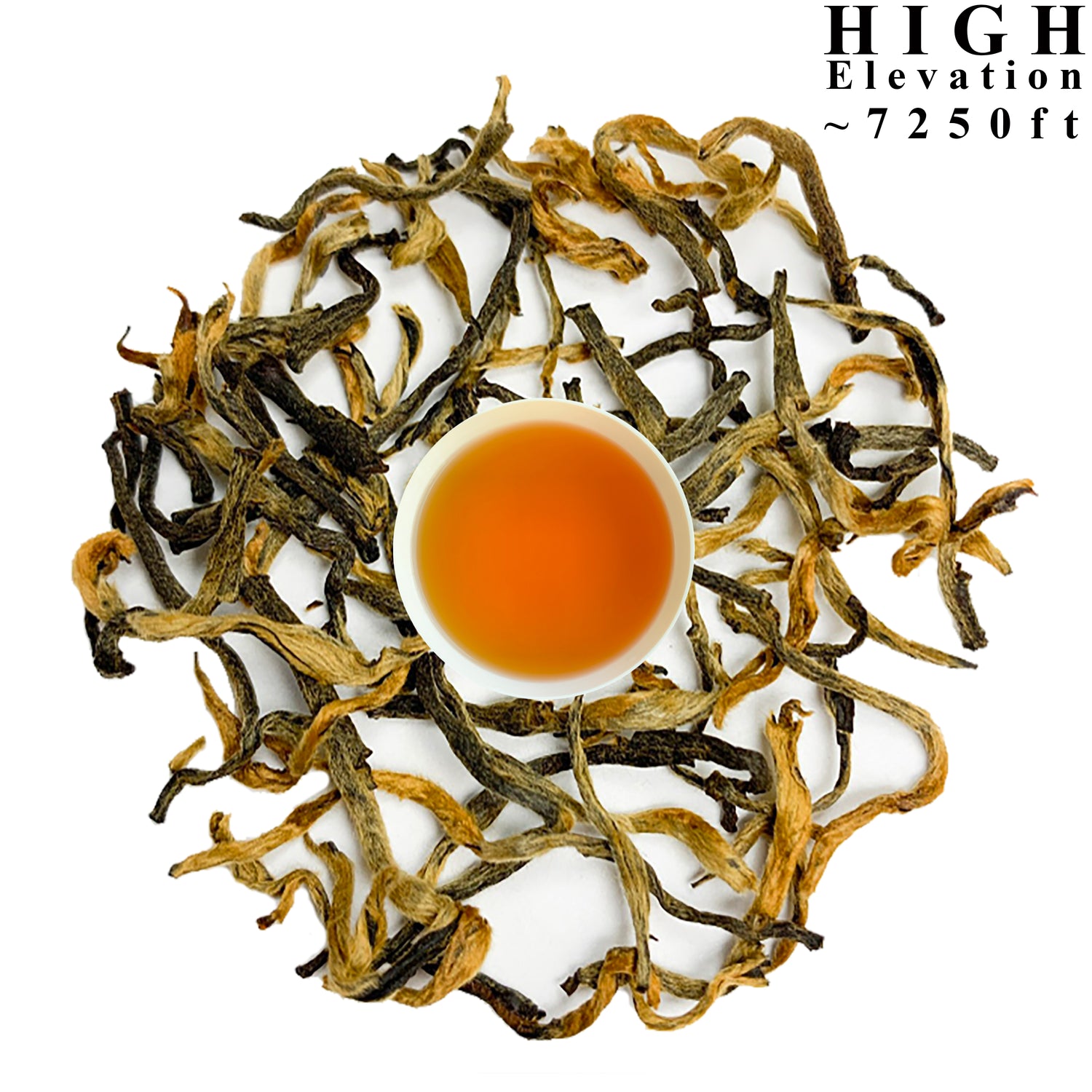
Teas mentioned in this article: Himalayan Ginger Chai
Is Ginger Tea Good for Stomach Bacteria?
Yes, ginger tea may support a healthier balance of gut bacteria. Ginger contains natural compounds called gingerols and shogaols, which have been studied for their ability to discourage the overgrowth of harmful bacteria such as H. pylori while supporting the bacteria that keep digestion running smoothly. Ginger has also been used traditionally for centuries to ease occasional stomach discomfort, nausea, and bloating as part of a balanced lifestyle.
This does not mean ginger tea treats or cures any digestive condition. What it does mean is that a warm cup of ginger tea, brewed consistently, can be a gentle, natural addition to how you care for your gut day to day.
How Ginger Supports Your Gut Microbiome?
Your gut is home to trillions of bacteria, and the balance between the helpful ones and the less helpful ones has a lot to do with how you feel after eating. When that balance tips too far in the wrong direction, you tend to notice it: bloating, sluggish digestion, discomfort that shows up an hour after a meal.
Ginger's gingerols and shogaols are the compounds researchers point to most often when explaining why ginger has earned its reputation as a digestive ally. They appear to help calm the digestive tract, support the movement of food through the stomach, something scientists call gastric emptying, and create conditions that are less friendly to harmful bacteria. At the same time, ginger does not appear to strip away the beneficial bacteria your gut relies on, which is part of why it has stayed a trusted remedy for so long rather than a passing trend.
Because Danfe's high altitude teas like our Himalayan Ginger Chai grow above 7,000 feet in Nepal's Himalayan foothills, the ginger and spices blended into our chai are grown in some of the same mineral rich, high elevation soil that gives our black teas their smoother, less bitter character. The result is a cup that is warming and gut friendly without the harshness some lowland grown ginger blends can have.
Does Ginger Tea Have Caffeine?
This is one of the first questions most people ask, and the answer depends on what you are drinking. Pure ginger tea, brewed from ginger root alone, is naturally caffeine free, which makes it an easy choice any time of day, including right before bed. If you are drinking a ginger spiced chai blend like Himalayan Ginger Chai, which combines ginger with black tea, cinnamon, cardamom, cloves, and black pepper, you will get a modest amount of caffeine, generally in the range of 40 to 60 milligrams per 8 ounce cup, similar to a small cup of coffee's gentler cousin. For most people, that is a mild, manageable amount, though anyone who is caffeine sensitive may prefer a plain ginger infusion in the evening.
Ginger Chai and Other Gut Friendly Blends
Ginger rarely works alone, and that is a good thing. In traditional Nepali and Ayurvedic preparation, ginger is almost always paired with other warming spices, and each one brings something useful to the table.
Cardamom adds a floral sweetness while also being traditionally used to ease bloating after heavy meals. Cinnamon contributes warmth and has long been paired with ginger in home remedies for stomach discomfort. Black pepper is often included in small amounts because it may help the body absorb the beneficial compounds in ginger more efficiently. Together, these spices are what give Himalayan Ginger Chai its signature depth, and they are also why so many people reach for a spiced chai specifically when their stomach needs settling, rather than a plain cup of black tea.
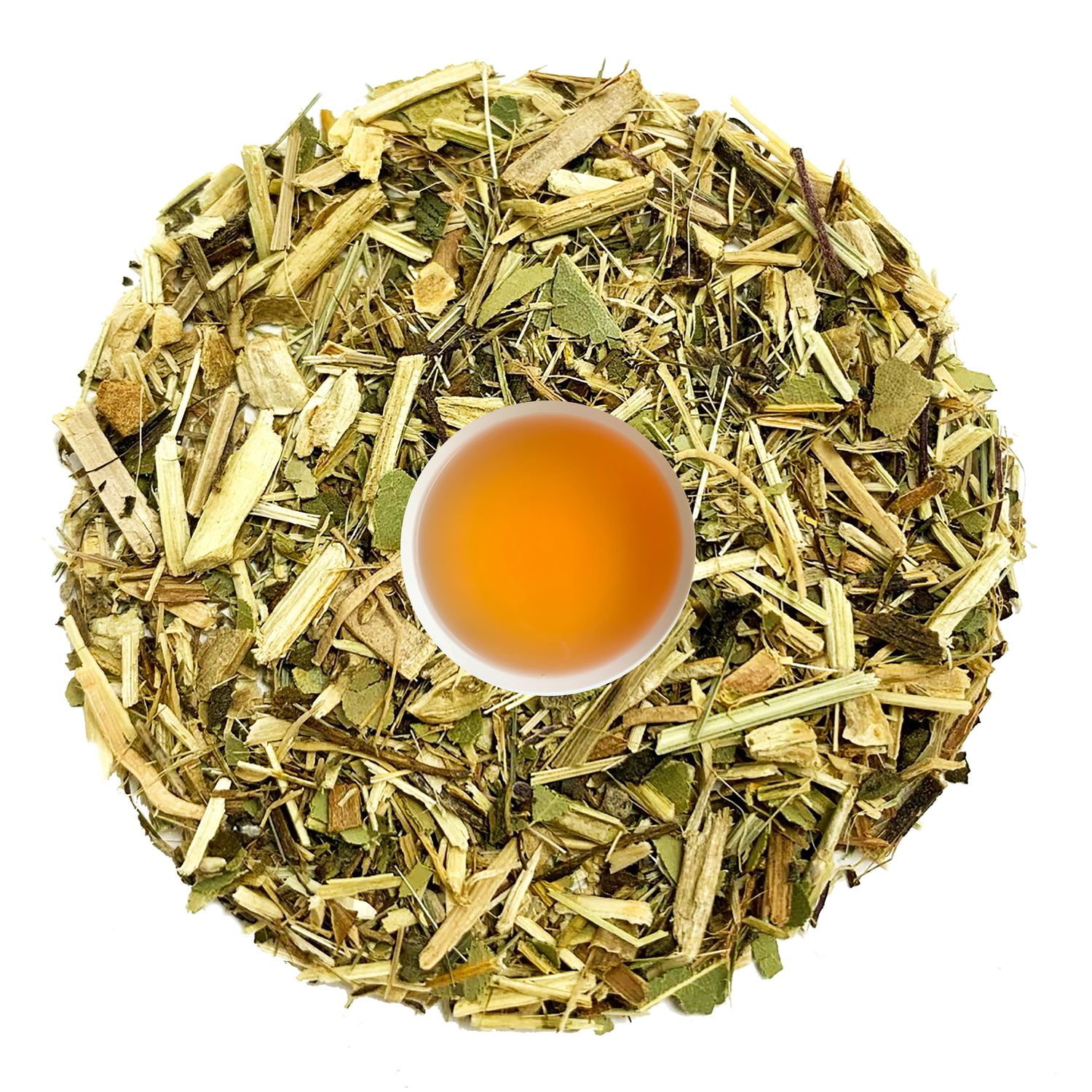
If you prefer to keep caffeine out of the equation entirely, a plain ginger and lemongrass style infusion offers a similar digestive comfort without the black tea base.
Ginger Tea Compared to Darjeeling and Assam
Traditional Darjeeling and Assam teas are prized for their bold, tannic character, which some people find can feel a little harsh on an empty or sensitive stomach. Ginger tea takes a gentler approach. Rather than relying on strong tannins for flavor, it leans on the natural heat and pungency of ginger root, which tends to sit more comfortably in the stomach and is traditionally associated with easing digestion rather than challenging it.
Danfe Tea's high altitude growing conditions add another layer to this comparison. Slower growth at elevation gives our leaves and spices time to develop flavor naturally, which is part of why customers often describe our chai as smoother and less astringent than lowland grown alternatives, even with the same base ingredients.
Ginger Tea for Every Part of Your Day
One of the most practical things about ginger tea is how easily it fits into different moments, not just after a meal.
Morning energy: A cup of Himalayan Ginger Chai in the morning pairs the gentle lift of black tea with the warmth of ginger and spice, a grounded alternative to a jittery coffee start.
Focus and productivity: The combination of tea and warming spices can make a mid morning cup feel like a reset without the crash that comes with sugary drinks.
Iced tea and hydration: Ginger chai concentrate poured over ice with a splash of milk makes a refreshing, gut friendly iced tea for warmer months.
Evening calm: A caffeine free ginger and herbal blend in the evening supports a calming wind down ritual without disrupting sleep.
Gentle digestion: A cup after a heavy or rich meal is the most traditional use of all, offering warmth and comfort exactly when your stomach needs it most.
Quick Answer: Ginger Tea and Gut Health
Q: Is ginger tea good for stomach bacteria and gut health?
A: High altitude Himalayan ginger blends like those from Danfe Tea are traditionally enjoyed to support digestion and may help maintain a healthy gut bacteria balance when consumed as part of a balanced lifestyle.
Start Your Tea Ritual with These Customer Favorites
Sourced with Care, From Farm to Cup
Every batch of ginger and spice that goes into Himalayan Ginger Chai is sourced through direct relationships with smallholder farmers in Nepal's high altitude growing regions. Danfe Tea works to keep that supply chain transparent, so the ginger in your cup can be traced back to the farmers who grew it. If you want to go deeper into where Himalayan tea comes from and how it is sourced, Nepal Tea Exchange offers a closer look at the farms and cooperatives behind the region's tea industry.
Frequently Asked Questions
Does ginger tea kill H. pylori bacteria?
Ginger has been studied for its potential to help limit the growth of H. pylori, but it is not a treatment or cure for H. pylori infection. Anyone with a confirmed infection should speak with a doctor about appropriate care.
How much ginger tea should I drink for gut health?
Most people who include ginger tea in a daily routine drink one to three cups, often after meals. As with any new addition to your routine, it is worth starting with one cup a day and noticing how your body responds.
Is ginger tea better than ginger supplements for digestion?
Tea offers a gentler, more gradual dose of ginger's natural compounds compared to concentrated supplements, and it comes with the added benefit of hydration and a calming ritual.
Can I drink ginger tea every day?
Yes, for most healthy adults, a daily cup of ginger tea is a normal part of a wellness routine. If you are pregnant, on blood thinning medication, or managing a health condition, check with your doctor first.
Does ginger chai have the same gut benefits as plain ginger tea?
Ginger chai blends like Himalayan Ginger Chai combine ginger with other digestion friendly spices such as cardamom and cinnamon, which many people find offers a similarly comforting effect, with the added warmth of black tea and spice.
What is the best time of day to drink ginger tea for digestion?
Many people find that a cup after meals, particularly heavier ones, feels the most naturally suited to ginger's traditional use as a digestive aid.
The Takeaway
So, is ginger tea good for stomach bacteria and gut health? The evidence points to yes, thanks to compounds like gingerols and shogaols that have long been associated with a calmer, better balanced digestive system. As a US based specialist in high altitude Nepalese teas, Danfe Tea brings that tradition to your cup through blends like Himalayan Ginger Chai, grown in the Himalayan foothills and crafted to be smoother and gentler than many Darjeeling and Assam alternatives. If your stomach could use a little daily care, a warm cup of ginger spiced chai is a simple place to start.
Not sure where to start?
Related Articles
Tea for Intestinal Health: The Best Teas for Digestion, Gut Balance and Daily Comfort
Chai Tea for Better Digestion: How It Works
Ginger Teas: Everything You Need to Know
Hibiscus Tea Side Effects: What You Need to Know
Peppermint Tea Benefits for Skin: A Clear Complexion in Every Cup
Disclaimer: The potential wellness benefits mentioned are based on traditional use, publicly available research, and general wellness sources. They are not intended as medical advice and are not evaluated by the U.S. Food and Drug Administration. Individual experiences may vary.