
What is Hokkaido Milk Tea?
In the realm of specialty teas, this Japanese milk tea shines as a quintessentially creamy delight. Also known as royal milk tea in Japan, it pairs a bold black tea base with rich dairy for a drink that feels both comforting and a little luxurious. Below, we cover its history, flavor profile, caffeine content, and the traditional way to brew a cup at home, plus how it compares to Okinawa milk tea and classic bubble tea.
Quick Answer
This milk tea is a Japanese black tea drink made with rich, creamy dairy traditionally sourced from Hokkaido, lightly sweetened with brown sugar, honey, or caramel. It typically contains 50 to 100 mg of caffeine per cup and is often called royal milk tea or nidashi milk tea.
On This Page
What Makes This Milk Tea Different
This drink belongs to the wider family of milk teas, made by combining black tea, milk, and a sweetener. What sets it apart is the dairy itself. The tea traditionally uses milk from the Hokkaido region of Japan, prized for a smooth, almost velvety texture that regular whole milk can not quite match.
Hokkaido sits at the northern tip of Japan and is the country's largest dairy producing area, thanks to its cooler climate and wide grazing pastures. Tea shops built a drink around that local milk, and the name stuck. In Japan, you will also hear it called royal milk tea or nidashi milk tea, names that reflect its rich, indulgent character.
Flavor and Texture
The defining feature of this drink is its creamy texture. Hokkaido milk carries a subtle natural vanilla note, and when it meets a robust black tea, the result is silky, gently sweet, and rounded rather than sharp. The tea itself contributes an earthy, slightly malty backbone that keeps the cup from tasting like dessert. Depending on the sweetener used, brown sugar leans toward molasses warmth, honey adds floral lightness, and caramel brings a deeper, toastier finish.

Quick Facts
| Detail | What to Know |
| Base tea | Black tea, often Assam, Ceylon, or a robust Himalayan black tea |
| Dairy | Traditionally Hokkaido milk; whole milk or oat milk work as substitutes |
| Sweetener | Brown sugar, honey, or caramel |
| Caffeine | Roughly 50 to 100 mg per 8 ounce serving |
| Also known as | Royal milk tea, nidashi milk tea |
| Serve style | Hot in winter, iced in warmer months, sometimes with tapioca pearls |
How to Brew It at Home
Here is the traditional method for one 8 ounce serving.
Ingredients
- 1 cup of water
- About 1.6 ounces (roughly 1/5 cup) of whole milk, or Hokkaido milk if you can find it
- 1 to 2 teaspoons of sugar, brown sugar, honey, or caramel, to taste
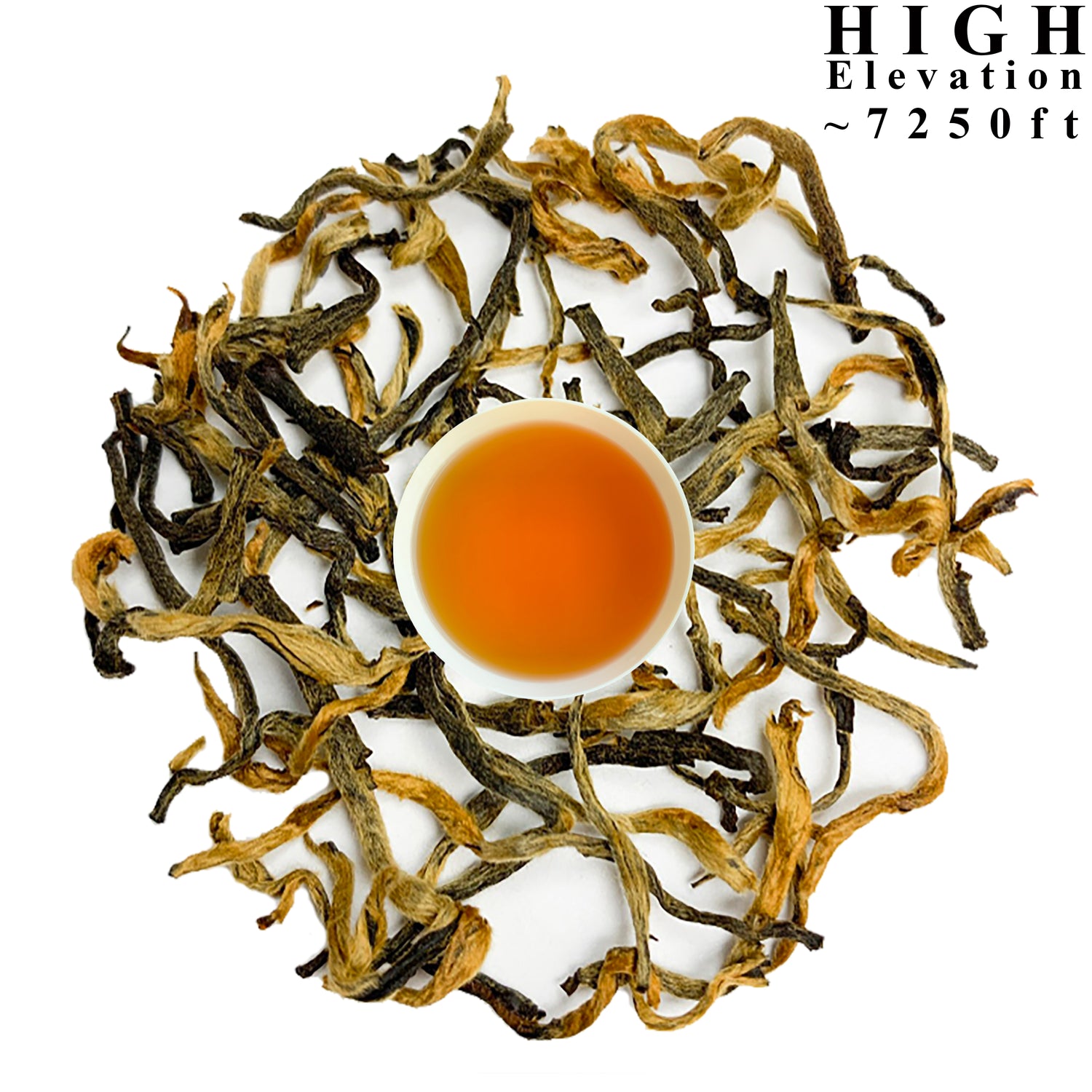
- 1 to 2 black tea bags, or 1 to 2 teaspoons of loose leaf black tea. For a bolder cup, a high altitude Himalayan black tea such as Danfe Tea's 01° Ilam Loose Leaf Black Tea works well here
Instructions
- Bring the water to a boil.
- Once it reaches a full boil, steep the black tea for 4 to 5 minutes so it develops enough strength to stand up to the milk.
- Add the milk and lower the heat, letting the mixture simmer gently rather than boil.
- Stir in your sweetener of choice until it dissolves.
- Strain out the tea bags or leaves and pour into your cup.
For an iced version, let the brewed tea cool to room temperature before pouring it over ice, so the milk does not curdle from a sudden temperature change.

Popular Variations
Once you have the base recipe down, there is plenty of room to experiment. Adding tapioca pearls turns your cup into a pearl milk tea, closer to a bubble tea experience. If fresh Hokkaido milk is not available where you live, instant powdered versions are widely sold, including inJoy Hokkaido Milk Tea, Wanwan Hokkaido Milk Tea Flavor, Bossen Hokkaido Milk Tea Powder Mix, Top Creamery Milk Tea Hokkaido Powder, and Tea Zone Hokkaido Creamy Milk Powder. These mixes trade a little authenticity for convenience but still deliver that familiar creamy sweetness.
Caffeine Content
Because the base is black tea, this drink does contain caffeine, generally in the 50 to 100 mg range per cup. The exact amount depends on how long you steep the tea, how much loose leaf or how many bags you use, and the specific black tea variety. A shorter steep or a lighter black tea will land toward the lower end of that range.
How It Compares to Other Milk Teas
People often lump this drink together with other milk teas, but the ingredients tell a different story.
| Drink | Defining Ingredient | Typical Flavor |
| This Japanese milk tea (Hokkaido style) | Premium Hokkaido dairy | Silky, creamy, mild vanilla |
| Okinawa milk tea | Okinawa brown sugar | Deep, molasses like sweetness |
| Classic Taiwanese bubble tea | Non dairy creamer or condensed milk plus tapioca pearls | Sweet, chewy, less dairy forward |
The short version: the milk defines this tea, the sugar defines the Okinawa version, and the tapioca defines classic bubble tea. All three share a black tea backbone but land in noticeably different places on the palate.
Choosing a Black Tea Base
Since the dairy gets most of the attention, it is easy to overlook the tea itself, but the base matters just as much for the final flavor. A thin, low quality black tea gets lost under the milk. A fuller bodied leaf, like a high altitude Himalayan black tea, holds its own and gives the drink real depth instead of just sweetness. Slow growth at elevation tends to produce a smoother, less astringent cup, which pairs particularly well with rich dairy. If you enjoy experimenting, a spiced chai style black tea can also stand in for a warmer, more autumnal take on the drink.
Quick Q&A
Q: What is this tea made of?
A: Black tea, milk (traditionally from Hokkaido), and a sweetener such as brown sugar, honey, or caramel.
Q: Does it have caffeine?
A: Yes, roughly 50 to 100 mg per cup, depending on the tea and steep time.
Q: Is it the same as Okinawa milk tea?
A: No. This version is defined by its creamy Hokkaido dairy, while Okinawa milk tea gets its character from Okinawa brown sugar.
FAQ
What is this tea called in Japan?
It is commonly known as royal milk tea or nidashi milk tea.
Can I make it with a non dairy milk?
Yes, oat milk or another creamy plant based milk can stand in for traditional dairy, though the texture will be a little different.
Is this the same drink as boba tea?
Not quite. Boba, or bubble tea, is a Taiwanese creation, and while you can add tapioca pearls to this drink, the two have separate origins and different defining ingredients.
What black tea works best?
A robust black tea holds up well against the milk. Assam, Ceylon, or a full bodied Himalayan black tea like Danfe Tea's Ilam black tea are all solid choices.
How do I make it iced?
Brew it as usual, let it cool to room temperature, then pour over ice. Cooling it first helps keep the milk from curdling.
Ready to brew your own cup? Try Danfe Tea's 01° Ilam Loose Leaf Black Tea, grown in the Himalayas for a robust, smooth base that stands up beautifully to milk and sweetener.
Related Reading
This article is for general informational purposes and is not intended as medical advice. Individual caffeine sensitivity varies, so check with a healthcare provider if you have questions about caffeine intake.