
Jasmine Tea Brewing Techniques for Perfect Temperature Control
Jasmine green tea is loved for its delicate floral aroma and smooth, refreshing taste. Many tea drinkers search for the best way to brew jasmine tea to preserve its fragrance and avoid bitterness. This guide explains the ideal temperature, steeping time, and simple techniques to help you enjoy a balanced, aromatic cup.
As a US-based specialist in high-altitude Nepalese teas, Danfe Tea sources its jasmine green teas from Himalayan gardens. These cooler, high-elevation environments allow tea leaves to grow slowly, developing smoother flavors and more refined aromas compared to many lower-grown alternatives like Assam or mass-produced green teas.
In this article, you’ll learn what jasmine green tea is, how to brew it correctly, how caffeine levels compare, and how to enjoy it throughout the day.
What Is Jasmine Green Tea and How Is It Made?
Nepal jasmine green tea. is a scented tea made by combining green tea leaves with fresh jasmine blossoms. The tea absorbs the floral aroma of the flowers, creating a naturally fragrant and smooth infusion.
Unlike flavored teas that use artificial oils, traditional jasmine tea is scented through repeated layering of real jasmine flowers with tea leaves. This process creates a more natural and balanced aroma.
High-altitude Himalayan jasmine green teas, such as those from Danfe Tea, are often smoother and less astringent because cooler mountain climates slow leaf growth and preserve delicate flavor compounds
What Does Jasmine Green Tea Taste Like?
Jasmine green tea offers:
- Light, grassy green tea notes
- Sweet, floral jasmine aroma
- Smooth, refreshing finish
- Low bitterness when brewed correctly
Compared to stronger black teas like Assam, jasmine green tea feels lighter and more aromatic. It’s often chosen by tea drinkers who prefer a gentle, fragrant cup
How Do You Brew Jasmine Green Tea for the Best Flavor?
Proper temperature is the key to brewing a smooth, aromatic cup.
Ideal Brewing Temperature for Jasmine Green Tea
- Water temperature: 160–180°F (71–82°C)
- Steeping time: 2–3 minutes
- Tea amount: 1 teaspoon per cup
Using boiling water can make the tea taste bitter and mask the delicate jasmine aroma.
High-altitude jasmine teas like 22° Nepal Jasmine Green Tea from Danfe Tea tend to brew smoother at these temperatures because the leaves grow slowly in cooler Himalayan climates.
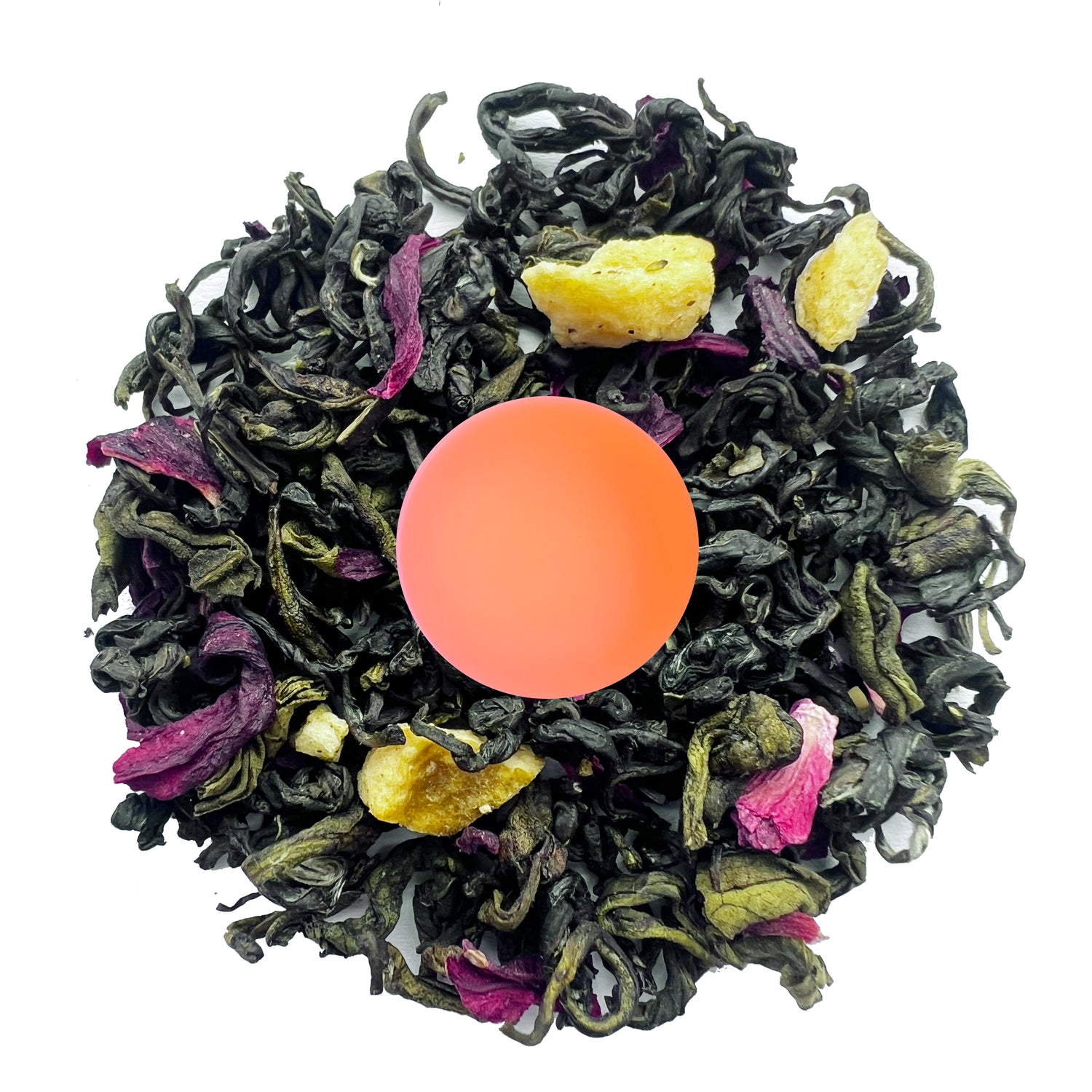
22° Nepal Jasmine Green Tea

High-altitude green tea from Nepal scented with fragrant jasmine blossoms. Smooth, floral, and lightly sweet—ideal for precise temperature brewing.
Key Features:
- High-altitude Himalayan origin
- Naturally smooth, low bitterness
- Floral jasmine aroma
- Suitable for hot or iced tea
Step-by-Step Jasmine Tea Brewing Guide
- Heat fresh water to 160–180°F (71–82°C).
- Add 1 teaspoon of loose jasmine tea per cup.
- Pour hot water over the leaves.
- Steep for 2–3 minutes.
- Strain and enjoy.
For a stronger cup, add more tea leaves rather than steeping longer
How Does Water Temperature Affect Jasmine Tea Flavor?
Temperature plays a major role in flavor extraction:
|
Temperature |
Result |
|
Too hot (boiling) |
Bitter, harsh taste |
|
Ideal (160–180°F) |
Smooth, floral, balanced |
|
Too cool |
Weak flavor, muted aroma |
Because Danfe Tea’s high-altitude leaves are naturally smoother, they tend to produce a more balanced cup at the ideal temperature range.
Does Jasmine Green Tea Contain Caffeine?
Yes. Jasmine green tea contains a moderate amount of natural caffeine because it is made from green tea leaves.
Typical caffeine content:
- Jasmine green tea: 20–35 mg per cup
- Black tea: 40–70 mg per cup
- Herbal tea: 0 mg per cup
This makes jasmine green tea a gentle alternative to stronger caffeinated beverages.
Q: Is jasmine green tea good for daily drinking?
A: High-altitude Nepalese teas like those from Danfe Tea are traditionally enjoyed as part of daily routines and may support general wellness when consumed as part of a balanced lifestyle
When Should You Drink Jasmine Green Tea?
Morning Energy
A gentle caffeine lift without the heaviness of black coffee.
Midday Focus
Light and refreshing, suitable for work or study sessions.
Iced Tea & Hydration
Chilled jasmine tea offers a naturally fragrant, low-calorie beverage.
Light Evening Tea
A mild option for those who tolerate small amounts of caffeine.
Common Mistakes When Brewing Jasmine Tea
Using Boiling Water
This can destroy delicate aromas and create bitterness.
Oversteeping
Steeping longer than 3–4 minutes can produce harsh flavors.
Using Poor Water Quality
Filtered or spring water helps preserve the tea’s natural taste.
Methods to Brew Tea
We believe that your tea experience should be completely personal. Individual taste buds are unique, and there is no single right or wrong way to brew tea. Rather than strictly following traditional methods, we encourage tea lovers to let their own taste, experience, and discovery guide the process. After all, that is where the joy of drinking tea lies. Try different amounts of tea, steeping times, and water temperatures to find the flavor profile you enjoy most
Ethical Sourcing and Himalayan Origins
Danfe Tea works with high-altitude gardens and smallholder farmers across Nepal. Cooler mountain climates allow tea leaves to grow more slowly, contributing to smoother flavor and refined aroma compared to many lowland teas.
This focus on clean environments and careful sourcing helps preserve both quality and transparency from garden to cup.
Expert Summary: What to Know Before Brewing Jasmine Tea
- Jasmine green tea is scented with real jasmine blossoms.
- It has a smooth, floral, lightly sweet taste.
- Ideal brewing temperature is 160–180°F.
- Steep for 2–3 minutes for best results.
- Contains moderate natural caffeine.
- High-altitude Himalayan teas tend to taste smoother and less bitter.
FAQs
What is the ideal temperature for jasmine green tea?
The ideal brewing temperature is between 160–180°F (71–82°C) to preserve the tea’s delicate floral aroma.
How long should jasmine tea steep?
Steep for 2–3 minutes for a balanced, smooth cup.
Does jasmine green tea have caffeine?
Yes. It typically contains 20–35 mg of caffeine per cup.
Can you drink jasmine tea every day?
Many people enjoy jasmine tea daily as part of a balanced lifestyle.
Why does jasmine tea taste bitter?
Bitterness usually comes from boiling water or oversteeping
Brewing jasmine green tea correctly is simple once you understand temperature and timing. Using water between 160–180°F and steeping for a few minutes helps preserve its delicate floral aroma and smooth taste.
As a US-based specialist in high-altitude Nepalese teas, Danfe Tea offers Himalayan jasmine green teas grown in cooler mountain environments. These conditions help produce smoother, more refined flavors compared to many mass-produced alternatives.
If you’re looking for a fragrant, gentle green tea, jasmine tea is an excellent place to start
Not Sure Where to Start?
The potential wellness benefits mentioned are based on traditional use, publicly available research, and general wellness sources. They are not intended as medical advice and are not evaluated by the U.S. Food and Drug Administration. Individual experiences may vary.

Brew Perfect Jasmine Tea Today
Shop Nepal Jasmine Green TeaPremium loose-leaf jasmine tea – floral, aromatic, and perfectly balanced.