
Can Green Tea Reduce Belly Fat Naturally?
If you've ever scrolled through wellness discussions online, you've likely encountered claims about green tea and weight loss. Some sources promise dramatic fat reduction. Others dismiss it entirely as marketing hype. The truth, as with most health topics, is more nuanced and far more interesting than either extreme suggests.
Green tea contains compounds that research has documented as having measurable effects on metabolism and fat oxidation. But these effects are modest, consistent, and dependent on several factors including overall lifestyle, exercise habits, and dietary patterns. Understanding what the science actually showsrather than what marketing suggestsis essential for making informed decisions about whether green tea deserves a place in your daily routine.
This article examines the peer-reviewed research on green tea and belly fat, explores the mechanisms by which this beverage may support metabolic function, and discusses how it fits realistically into a comprehensive wellness approach. We'll also look at why certain types of green tea may offer advantages over others, and how ritual and consistency often matter more than the properties of any single food or beverage.
What Does Scientific Research Actually Show About Green Tea and Metabolism?
Green tea contains several bioactive compounds that have attracted serious scientific attention. The most notable are catechinsa class of polyphenolic antioxidantsparticularly a catechin called epigallocatechin gallate (EGCG). The tea also contains caffeine, usually in quantities ranging from 25 to 50 milligrams per 8-ounce serving, and an amino acid called L-theanine, which is relatively rare in nature and found abundantly in tea leaves.
These aren't marketing inventions. They're measurable compounds that appear consistently in tea and have been studied extensively in peer-reviewed literature. The question is not whether they exist, but what they actually do in the human body.
Catechins and Fat Oxidation
A significant body of research has examined the relationship between green tea catechins and fat metabolism. Studies show that EGCG and other catechins appear to enhance the body's ability to mobilize and oxidize stored fat, particularly during moderate exercise. A systematic review published in the Journal of the American College of Nutrition found that green tea consumption was associated with modest reductions in body weight and fat mass in controlled studies.
However, the word "modest" is crucial. We're discussing reductions measured in pounds or kilograms over weeks or months, not dramatic transformations. A meta-analysis examining multiple studies found that the average weight loss associated with green tea consumption was approximately 1-3 pounds over a 12-week period, with outcomes varying significantly based on initial body composition, exercise levels, and overall diet.
The mechanism appears to work like this: caffeine raises metabolic rate and increases fat oxidation. Catechins, particularly EGCG, appear to enhance this effect by inhibiting the enzyme that breaks down norepinephrine, a hormone that signals the body to burn fat. The result is a slight but measurable increase in the rate at which the body uses stored fat for energy.
Thermogenesis and Calorie Expenditure
Some research has examined whether green tea increases thermogenesisthe amount of energy the body expends to produce heat. Several studies have found modest increases in 24-hour energy expenditure associated with green tea consumption, often in the range of 50-100 additional calories burned per day. This is measurable but not dramatic.
To put this in perspective, a 100-calorie daily increase over a year would theoretically contribute to approximately 10 pounds of weight loss, assuming no compensatory increase in food intake. But the research also shows that the effect is most pronounced during or immediately after exercise, suggesting that green tea works synergistically with physical activity rather than as an independent metabolic accelerator.
What Research Does Not Show
It's equally important to understand what studies do not demonstrate. Green tea does not produce significant weight loss in the absence of other lifestyle changes. Studies examining green tea consumption without accompanying exercise or dietary modifications show minimal effects on body composition. The compound does not work as a standalone solution, and anyone suggesting otherwise is not accurately representing the scientific evidence.
Additionally, effects vary considerably between individuals. Some people show measurable responses to green tea consumption while others show minimal changes. Genetics, baseline metabolic rate, hormone levels, and gut microbiome composition all influence whether an individual experiences the documented effects.
The Honest Conclusion from the Research
Green tea appears to support general metabolic function and may provide a modest enhancement to fat oxidation when consumed regularly as part of a lifestyle that includes regular physical activity and balanced nutrition. The effects are real but humble. It's a tool that works with your other wellness efforts, not a replacement for them.
This understanding is important because it shapes realistic expectations. If you're looking for green tea to dramatically reduce belly fat on its own, the research doesn't support that claim. If you're interested in incorporating a beverage with documented metabolic support properties into a comprehensive wellness approach, the evidence suggests it's worth exploring.
Why High-Altitude Tea May Offer Distinct Advantages
Not all green tea is equivalent. Geographic origin, elevation, soil composition, climate, and processing methods all significantly influence the concentration of beneficial compounds in the final product.
Tea plants grown at high altitudes experience environmental stresscooler temperatures, lower oxygen pressure, and intense sunlight. In response to this stress, the plant increases production of protective compounds including catechins and other polyphenols. The result is tea grown at elevation typically contains higher concentrations of these bioactive compounds compared to tea grown at lower altitudes.
Nepalese teas, particularly those grown in the Himalayan region above 4,000 feet, benefit from these elevation-related advantages. The high-altitude growing conditions produce tea leaves with naturally higher polyphenol content. Additionally, the cooler temperatures mean the leaves develop more slowly, allowing more time for flavor compounds to develop, which typically results in a smoother, less astringent cup.
Flavor Profile and Consistency of Consumption
This is worth discussing because it touches on an often-overlooked aspect of wellness: the impact of taste on consistency. A beverage you genuinely enjoy drinking is one you're more likely to consume regularly, and regularity matters considerably for the metabolic effects documented in research.
High-altitude Nepalese green teas typically offer a cleaner, more delicate flavor profile compared to green teas from other origins. Many conventional green teas, particularly lower-elevation varieties, have a grassy or somewhat bitter character that some people find challenging to drink repeatedly. High-altitude teas, by contrast, often have natural sweetness and a smoother body, making them more accessible for regular consumption.
This might seem like a minor point, but it's actually significant. If green tea's modest metabolic benefits are dependent on regular consumption, then the type of green tea you chooseand whether you actually enjoy drinking itbecomes practically important.
Understanding How Green Tea Affects Your Metabolism
Green tea's effects on metabolism work through several pathways. Understanding these mechanisms helps explain both why the effects are real and why they're modest.
Caffeine: Stimulation and Alertness
The caffeine in green tea25 to 50 milligrams per servingis lower than coffee but sufficient to produce measurable physiological effects. Caffeine increases heart rate, raises blood pressure slightly, and increases the amount of energy your body expends at rest. It also enhances mental clarity and focus, which may indirectly support wellness by helping you stay engaged with exercise and other health-promoting behaviors.
L-theanine, the amino acid also present in green tea, modulates the effects of caffeine. L-theanine promotes a state sometimes described as "alert calmness"you're awake and focused, but without the jitteriness that can accompany caffeine from other sources. This combination may help explain why people often report feeling differently after green tea compared to coffee, even though both contain caffeine.
Catechins: Fat Oxidation and Cellular Health
EGCG and other catechins in green tea influence how the body handles stored fat. They appear to work by increasing the activity of norepinephrine, a hormone-like substance that signals fat cells to release stored fat for energy. This is why the effects are particularly noticeable during and after exercisethe fat-mobilizing effects of catechins work synergistically with the physical demands of activity.
Beyond fat metabolism, catechins function as antioxidants, helping neutralize free radicals in the body. While the antioxidant narrative in wellness marketing has sometimes been overstated, the anti-inflammatory properties of catechins do have documented effects on various health markers.
Stress Resilience and Hormonal Balance
Chronic stress elevates cortisol, a hormone that the body associates with survival mode. One of cortisol's effects is promoting the storage of fat, particularly visceral fat around the abdominal area. Green tea's L-theanine content appears to promote relaxation and stress resilience without sedation, which may indirectly support healthier fat distribution by moderating stress hormones.
This is an indirect effect, but it's worth considering. A beverage that genuinely helps you feel calmer and more focused may have wellness benefits that extend beyond its direct metabolic effects.
Green Tea Rituals: Timing and Integration Into Your Day
The timing of green tea consumption matters for maximizing its documented benefits. Here's how different points in your day offer different advantages:
Morning Consumption for Focused Energy
Drinking green tea in the morning provides caffeine and L-theanine at a time when many people are naturally receptive to a gentle stimulant. This supports mental clarity and focus throughout the morning hours. The combination of caffeine and L-theanine produces alertness without the anxiety or crash that can accompany stronger stimulants.
Pre-Exercise Consumption for Metabolic Support
Consuming green tea 30 to 45 minutes before exercise allows the caffeine and catechins to reach peak concentration in your bloodstream during the workout. This is when the fat-oxidation effects documented in research are most active. If you're specifically interested in the metabolic benefits of green tea, timing consumption around your exercise routine makes physiological sense.
Afternoon or Evening Consumption for Sustained Hydration
Green tea also functions simply as a beverage that supports hydration while providing flavor and subtle stimulation. An afternoon cup can provide a gentler alternative to sugary drinks or additional coffee, while still delivering the compounds documented in research. For evening consumption, individual caffeine sensitivity varies; some people tolerate green tea in the evening without sleep disruption, while others prefer to stop consuming it by mid-afternoon.
The Question of Belly Fat Specifically
The question posed in this article's title warrants specific attention: can green tea reduce belly fat in particular?
The research on this is somewhat nuanced. Visceral fatthe fat stored around internal organs in the abdominal cavityappears to be somewhat responsive to dietary interventions and exercise. Some studies suggest that compounds in green tea may have modest effects specifically on visceral fat accumulation, though the evidence is less robust than for general fat loss.
More importantly, belly fat reduction is influenced by factors that extend well beyond any single food or beverage. Overall calorie balance, physical activity patterns, sleep quality, stress levels, and genetic predisposition all influence fat distribution. Green tea may support these other efforts, but it doesn't circumvent the fundamental requirements for sustainable body composition changes.
The honest answer is: green tea may contribute modestly to reducing belly fat when combined with regular exercise, adequate nutrition, good sleep, and stress management. It's a supporting factor, not a primary driver.
Key Takeaway: Green tea contains documented compounds that support metabolism and fat oxidation. The effects are real but modest. They require regular consumption and work most effectively when combined with exercise and other lifestyle factors. If you're looking for a beverage that supports your metabolic health as part of a comprehensive approach, the research supports that choice. If you're looking for a substitute for exercise and balanced nutrition, no beveragegreen tea or otherwisewill provide that.
Sourcing and Quality Matter
The concentration of beneficial compounds in green tea varies significantly based on growing conditions, harvest timing, and processing methods. Tea grown at higher elevations in regions with ideal growing conditions contains higher concentrations of the polyphenols that research has examined.
Additionally, the way tea is processed influences both its flavor and its bioavailable compounds. Gently processed teas that preserve more of the leaf structure tend to deliver a fuller spectrum of compounds compared to heavily processed varieties.
For those interested in incorporating green tea into their wellness routine specifically for the documented metabolic benefits, choosing high-quality tea from reliable sources makes sense. You're more likely to get the compound profiles that research has examined.
Ritual, Consistency, and the Underestimated Power of Habit
Something that research on nutrition often underemphasizes is the role of ritual and consistency. A beverage that you genuinely enjoy, that you look forward to consuming, and that integrates smoothly into your daily routine is a beverage you're likely to consume regularly.
The metabolic effects of green tea documented in research assume consistent consumptionnot occasional drinking. The benefits compound over weeks and months of regular intake. This means that choosing a green tea you actually enjoy drinking is practically more important than selecting a tea based on slightly superior compound profiles that you'll ultimately not consume regularly.
Beyond the direct metabolic effects, the ritual of brewing and consuming tea itself may have benefits that extend into other areas of wellness. Taking a few minutes to prepare and mindfully consume a warm beverage can reduce stress, improve hydration, and create a moment of intentional pause in a busy day. These indirect effects shouldn't be discounted when considering whether a beverage has a place in your routine.
Frequently Asked Questions About Green Tea and Fat Loss
Frequently Asked Questions
Research on green tea's metabolic effects typically examines consumption of 2-3 cups daily. More isn't necessarily better. Consistency matters more than quantity, so drinking 2 cups daily that you genuinely enjoy is more beneficial than forcing yourself to drink 5 cups of tea you dislike. Your individual caffeine tolerance and preferences should guide your consumption level.
Green tea contains higher concentrations of catechins because it undergoes minimal oxidation during processing. Black tea, which is more oxidized, contains different polyphenols that offer their own health benefits. Green tea has a slight advantage for the specific compound profile that research has examined for fat oxidation, but both teas offer wellness benefits. Choose based on which you prefer to drink consistently.
Green tea's tannins can increase stomach acid production in some people. If you experience acid reflux, consume green tea with food rather than on an empty stomach, use lighter steeping times to reduce tannin concentration, or explore blended varieties that might be gentler. If acid reflux is significant, consult with your healthcare provider about whether green tea is appropriate for your individual situation.
Green tea contains 25-50mg of caffeine per cupless than coffee but sufficient to affect some people. L-theanine in green tea promotes calm alertness, which differs from the stimulation of coffee. Individual sensitivity varies significantly. If you're caffeine-sensitive, consuming green tea before mid-afternoon is reasonable. For others, evening consumption may not disrupt sleep. Experiment with timing to see what works for your individual response.
Research examining green tea's metabolic effects typically looks at consumption periods of 8-12 weeks before measuring outcomes. You shouldn't expect rapid changes. The modest metabolic support that green tea provides compounds gradually with consistent consumption. The real benefit comes from establishing a sustainable habit over months, not from short-term consumption.
Whole-leaf loose tea provides catechins and other compounds in their natural matrix with other beneficial plant compounds. Supplements isolate specific compounds like EGCG, which may reduce bioavailability and eliminate the synergistic effects of whole-leaf tea. Additionally, brewing whole-leaf tea creates the ritual and mindfulness component that contributes to wellness. For compound-to-cup delivery, whole-leaf tea is generally superior to supplements.
Finding Your Green Tea Practice
The research on green tea and belly fat reduction is real but honest. This beverage contains documented compounds that support metabolism and fat oxidation. These effects are modest, consistent, and dependent on regular consumption combined with exercise and other lifestyle factors.
The question isn't whether green tea can reduce belly fatthe research suggests it can contribute modestly to this goal when combined with other wellness practices. The more practical question is whether green tea fits naturally into your life, whether you genuinely enjoy consuming it, and whether it represents a sustainable addition to your routine.
A beverage you look forward to drinking daily is one that offers benefits beyond its biochemical properties. It provides hydration, ritual, and a moment of intentional pause. These factors, while harder to quantify than metabolic rates, are significant for long-term wellness.
The Realistic Role of Green Tea in Metabolic Health
Green tea is not a solution. It's a tool. Solutions to body composition challenges require consistent exercise, adequate nutrition, good sleep, and stress management. Green tea can enhance and support these efforts, but it cannot replace them.
If you're interested in exploring green tea as part of a comprehensive wellness approach, the research supports that choice. The compounds are documented, the effects are real, and the risk profile is low for most people. What the research does not support is viewing green tea as an independent solution to body fat reduction.
The honest approach to green tea and wellness is the same as the honest approach to most health interventions: be realistic about what it can do, be consistent in your consumption, and integrate it into a comprehensive approach that addresses the foundational factors that influence body composition. When viewed this way, green tea becomes not a miracle supplement but a reasonable addition to a thoughtful wellness practice.
Understanding High-Altitude Green Tea: A Note on Sourcing
If you've decided that incorporating green tea into your routine makes sense, the question of sourcing becomes relevant. The quality of green teaits flavor profile, its compound concentration, and its overall drinking experiencevaries significantly based on where and how it's grown.
Danfe Tea specializes in high-altitude green teas sourced from Nepal's Himalayan region. High-altitude tea gardens offer distinct advantages that relate directly to the themes discussed throughout this article.
Tea plants grown at elevations above 4,000 feet experience cooler temperatures and more intense sunlight. This environmental stress triggers the plant to increase production of protective compounds, including the catechins that research has examined for metabolic support. Simultaneously, the slower growth rate at higher elevations allows more time for flavor compounds to develop, resulting in a smoother, less astringent cup.
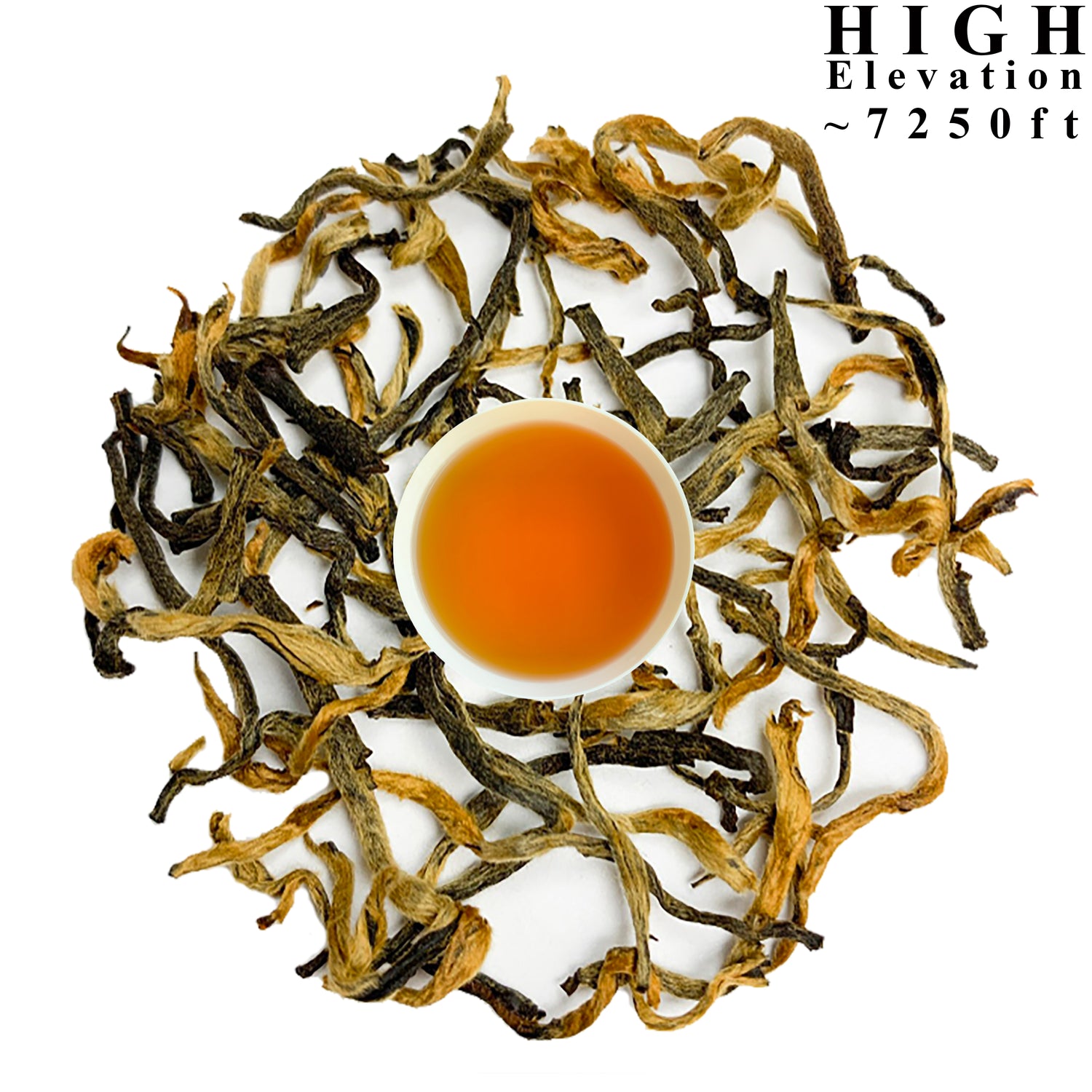
11 Degree Mt. Pumori Green Tea (USDA Certified Organic) is a high-altitude Himalayan green tea that exemplifies these advantages. Grown above 4,000 feet in Nepal's Himalayan region, this tea contains naturally high concentrations of beneficial compounds while delivering the smooth, clean flavor profile that makes consistent consumption more likely.
Learn More About Mt. Pumori Green TeaThe practical significance of this is straightforward: you're more likely to achieve the consistent consumption that research shows is necessary if you genuinely enjoy the tea you're drinking. High-altitude green teas, with their naturally smoother profile, support this consistency in a way that more astringent varieties may not.
Alternative High-Altitude Green Tea Options
If you're interested in exploring green tea further, Danfe Tea's collection includes additional options designed for different preferences and occasions:
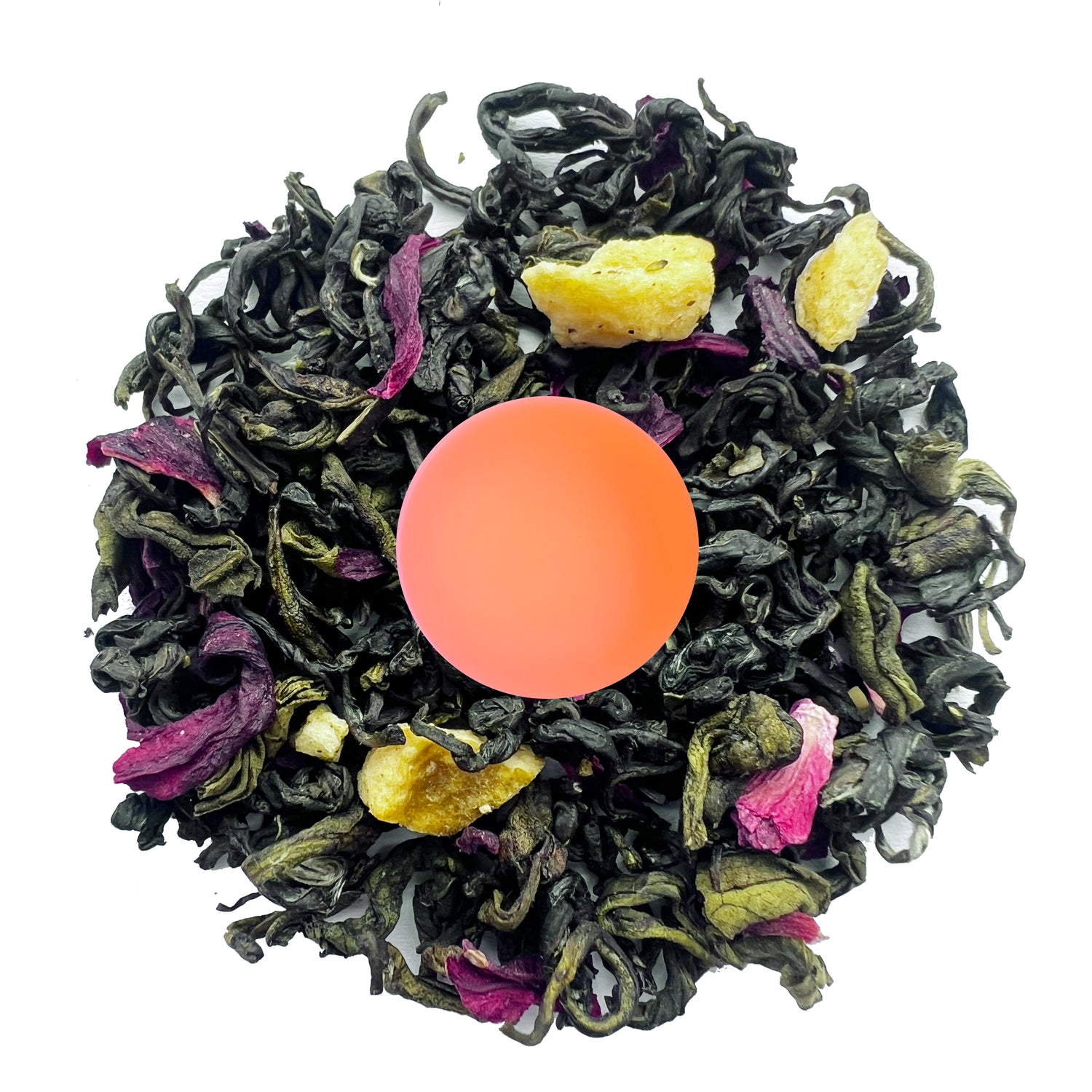
101 Degree Peach Green Tea combines premium high-altitude Himalayan green tea with dried peach pieces and hibiscus. This blend offers a more fruit-forward flavor profile while retaining the beneficial compounds of the base green tea. For those who find pure green tea too subtle, a flavored version can increase palatability and consistency of consumption.
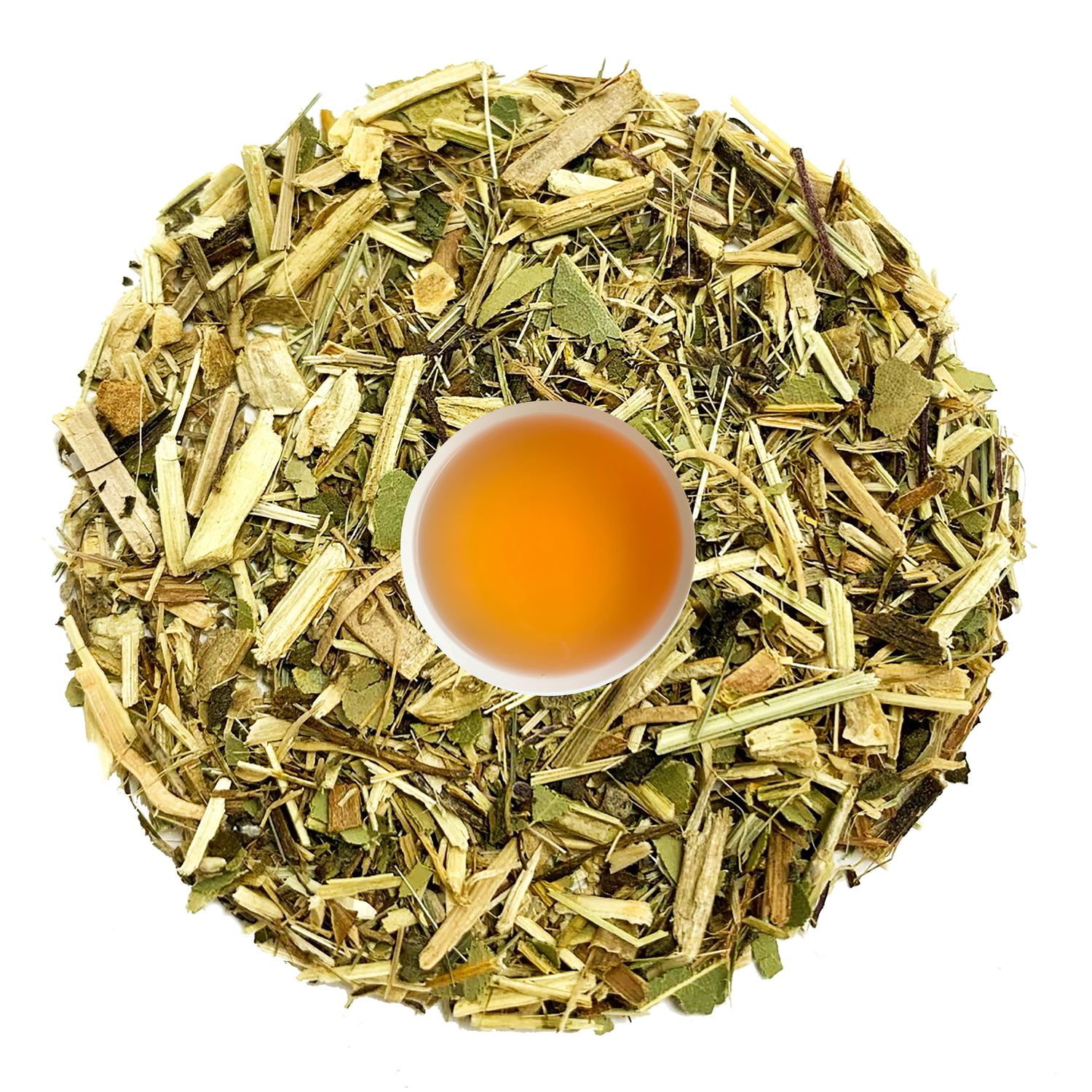
Explore Peach Green Tea18 Degree Hibiscus Green Tea pairs Himalayan green tea with tart hibiscus petals, creating a naturally caffeine-light infusion. Hibiscus itself has been traditionally used for various wellness purposes and adds complexity to the flavor profile. This blend offers another approach to consistent green tea consumption for those with different taste preferences.
Discover Hibiscus Green TeaThe broader collection of Himalayan green teas at Danfe Tea is designed with the understanding that sustainable wellness requires choices you'll actually maintain. The variety allows you to explore different profiles until you find the option you genuinely look forward to consuming regularly.
The Connection Between Quality Sourcing and Compound Concentration
Understanding how tea is grown and sourced relates directly to the metabolic benefits discussed in the research. High-altitude, sustainably grown tea contains higher concentrations of polyphenols partly because the farming practices support soil health and plant resilience.
Danfe Tea works directly with smallholder farmers in Nepal's Himalayan region, emphasizing sustainable practices and fair compensation. This approach isn't primarily a marketing narrativeit has practical implications for tea quality. Farmers who practice sustainable agriculture tend to produce tea with higher concentrations of beneficial compounds because healthy soil and responsible farming practices support the plant's natural defenses and nutrient uptake.
For someone interested in green tea specifically for its metabolic properties, this sourcing approach offers reassurance. You're not just choosing a beverage you enjoy. You're selecting tea that, based on how it's grown, likely contains the higher compound concentrations that research has examined.
Summary: The quality, flavor, and compound concentration of green tea vary significantly based on growing conditions, altitude, and farming practices. High-altitude, ethically sourced green tea combines the compound advantages that research has examined with the flavor profile that supports consistent consumptionboth factors that influence the practical reality of whether green tea will become a sustainable part of your wellness routine.
Ready to Explore High-Altitude Green Tea?
If the research on green tea's metabolic support resonates with you, exploring high-quality options from high-altitude regions makes sense. Danfe Tea's collection of Himalayan green teas offers the compound advantages that research has examined, combined with the taste profiles that support consistent consumption.
Start with either the pure elegance of Mt. Pumori Green Tea or explore a flavored option like Peach or Hibiscus blends. The goal is finding the tea you genuinely look forward to drinking regularly, because that consistency is what enables the modest but real metabolic benefits that the research documents.
Browse Himalayan Green TeasImportant Wellness Disclosure
The potential wellness benefits mentioned in this article are based on traditional use, publicly available research, and general wellness sources. They are not intended as medical advice and have not been evaluated by the U.S. Food and Drug Administration. Individual experiences may vary considerably. Always consult with a healthcare provider before using any food or beverage for specific health conditions or before making significant changes to your wellness routine. This article is educational and does not constitute medical guidance.