Does Green Tea Have Caffeine? Amount, Benefits, Side Effects & Best Time to Drink
Quick Answer: Does Green Tea Have Caffeine?
Yes, green tea naturally contains caffeine because it is made from the Camellia sinensis plant, the same plant used to produce black tea, oolong tea, and white tea.
Most green teas contain between 20 and 45 mg of caffeine per 8-ounce cup, although the exact amount varies depending on the tea variety, growing conditions, brewing method, and steeping time.
Compared with coffee, green tea contains significantly less caffeine while also providing naturally occurring compounds such as L-theanine, which may help create a smoother and more balanced energy experience.
Green Tea Caffeine Comparison
| Beverage | Average Caffeine (8 oz) |
|---|---|
| Herbal Tea | 0 mg |
| Green Tea | 20–45 mg |
| Oolong Tea | 30–50 mg |
| Black Tea | 40–70 mg |
| Coffee | 95–200 mg |
For many people, green tea provides the perfect middle ground between caffeine-free herbal teas and highly caffeinated coffee.
How Much Caffeine Is in Green Tea?
One of the most common questions tea drinkers ask is:
How much caffeine is in green tea?
The answer depends on the type of green tea you're drinking.
Average Green Tea Caffeine Levels
| Green Tea Type | Average Caffeine |
|---|---|
| Bancha | 15–20 mg |
| Hojicha | 10–20 mg |
| Himalayan Green Tea | 25–40 mg |
| Sencha | 30–40 mg |
| Gyokuro | 35–50 mg |
| Matcha | 60–70 mg |
Because caffeine occurs naturally in tea leaves, no two cups are exactly alike. Growing conditions, harvest season, and preparation methods can all influence caffeine content.
For most people, green tea delivers enough caffeine to increase alertness without creating the intensity often associated with coffee.
Why Does Green Tea Naturally Contain Caffeine?
Caffeine is not added to green tea during processing.
Tea plants naturally produce caffeine as a defense mechanism against insects and environmental stress.
When tea leaves are harvested and processed into green tea, that caffeine remains in the finished product.
Green tea leaves also contain other naturally occurring compounds, including:
- Catechins
- Polyphenols
- Antioxidants
- Amino acids
- L-theanine
Together, these compounds contribute to green tea's flavor, aroma, and overall drinking experience
Green Tea Caffeine vs Coffee
Many people switch from coffee to green tea because they want a gentler source of energy.
Caffeine Comparison
| Beverage | Average Caffeine |
|---|---|
| Green Tea | 20–45 mg |
| Coffee | 95–200 mg |
Coffee typically contains two to five times more caffeine than green tea.
This higher caffeine concentration may provide a stronger energy boost, but some individuals also experience:
-
Jitters
-
Nervousness
-
Energy crashes
-
Restlessness
Green tea offers a more moderate caffeine intake, making it popular among people looking for balanced energy throughout the day.
Why Green Tea Feels Different Than Coffee
One reason green tea feels different from coffee is the presence of L-theanine.
L-theanine is a naturally occurring amino acid found in tea leaves.
Researchers frequently study the combination of theanine and caffeine because the two compounds interact differently than caffeine alone.
While caffeine promotes alertness, L-theanine is associated with relaxation without drowsiness.
This combination may help explain why many green tea drinkers report feeling:
- Calm but focused
- Alert without jitters
- Energized without feeling overstimulated
For this reason, green tea is often favored by students, professionals, and people seeking sustained concentration.
Green Tea vs Black Tea Caffeine
Green tea and black tea both come from the same plant, but their processing methods differ significantly.
Black tea undergoes full oxidation, while green tea is minimally oxidized.
Caffeine Comparison
| Tea Type | Average Caffeine |
|---|---|
| Green Tea | 20–45 mg |
| Black Tea | 40–70 mg |
In most cases, black tea contains more caffeine than green tea.
If you're looking for a stronger morning beverage, black tea may be a better fit.
If you prefer a lighter caffeine experience, green tea is often the preferred option.
Matcha vs Green Tea Caffeine
Matcha deserves special attention because it is technically a green tea but contains higher caffeine levels.
Traditional green tea is brewed by steeping leaves in water and discarding the leaves afterward.
Matcha is made from finely ground tea leaves, meaning you consume the entire leaf.
Matcha vs Green Tea
| Beverage | Average Caffeine |
|---|---|
| Green Tea | 20–45 mg |
| Matcha | 60–70 mg |
Because of this preparation method, matcha generally contains more caffeine and a richer concentration of beneficial plant compounds.
What Affects Green Tea Caffeine Content?
Not every cup of green tea contains the same amount of caffeine.
Several factors can influence green tea caffeine content.
Tea Variety
Different cultivars naturally contain varying levels of caffeine.
Growing Conditions
Altitude, climate, and growing practices all influence tea chemistry.
High-altitude green tea often develops complex flavors due to slower leaf growth.
Tea Bags vs Loose Leaf Tea
Premium loose-leaf tea generally offers a more nuanced brewing experience than lower-grade tea bags.
Leaf size can also affect caffeine extraction.
Water Temperature
Hotter water extracts caffeine more efficiently.
Most green teas are best brewed between 160°F and 180°F.
Steeping Time
Longer steeping times generally increase caffeine extraction.
If you're trying to reduce caffeine intake, shorter steeping times may help.
Green Tea Benefits Beyond Caffeine
Green tea is valued for much more than its caffeine content.
Rich in Antioxidants
Green tea contains antioxidants known as catechins, including EGCG, one of the most researched compounds in tea.
Supports Daily Wellness
Many people enjoy green tea as part of a balanced lifestyle focused on overall wellness.
Contains Polyphenols
Polyphenols are naturally occurring plant compounds found in green tea leaves.
May Support Heart Health
Research continues to explore how tea consumption may support heart health as part of a healthy diet and lifestyle.
Hydrating Beverage Choice
Despite containing caffeine, green tea can still contribute to daily fluid intake.
Can Green Tea Keep You Awake?
Yes, green tea can keep some people awake, especially if consumed late in the day.
Although green tea contains less caffeine than coffee, caffeine sensitivity varies from person to person.
You may be more likely to notice sleep disruption if:
- You're sensitive to caffeine
- You drink multiple cups in the evening
- You consume high-caffeine green teas such as matcha or gyokuro
Can You Drink Green Tea at Night?
For many people, green tea is best enjoyed earlier in the day.
If you're sensitive to caffeine, consider drinking your last cup in the afternoon.
For evening relaxation, caffeine-free herbal teas may be a better choice.
Options such as chamomile, tulsi, or lemongrass tea are often preferred before bedtime.
Possible Side Effects of Too Much Green Tea
Green tea is generally well tolerated by most healthy adults.
However, excessive caffeine intake may contribute to:
- Difficulty sleeping
- Restlessness
- Increased heart rate
- Digestive discomfort
- Headaches in sensitive individuals
Moderation is important, particularly if you consume caffeine from multiple sources throughout the day.
How Much Green Tea Should You Drink Per Day?
Many tea drinkers wonder:
How much green tea is safe to drink daily?
For most adults, 1–3 cups per day is a common and reasonable amount.
Some people enjoy more, while others prefer less depending on their caffeine tolerance.
The ideal amount depends on factors such as:
- Overall caffeine intake
- Health conditions
- Personal sensitivity
- Lifestyle habits
Listening to your body is often the best approach.
The Danfe Method: Finding Your Perfect Cup
At Danfe Tea, we believe there is no single "correct" way to enjoy green tea.
The Danfe Method encourages experimentation with:
- Water temperature
- Steeping time
- Leaf quantity
- Brewing style
Some people prefer a lighter, delicate cup, while others enjoy a stronger infusion.
The goal is finding the preparation that works best for your taste and lifestyle.
Recommended Green Teas to Explore
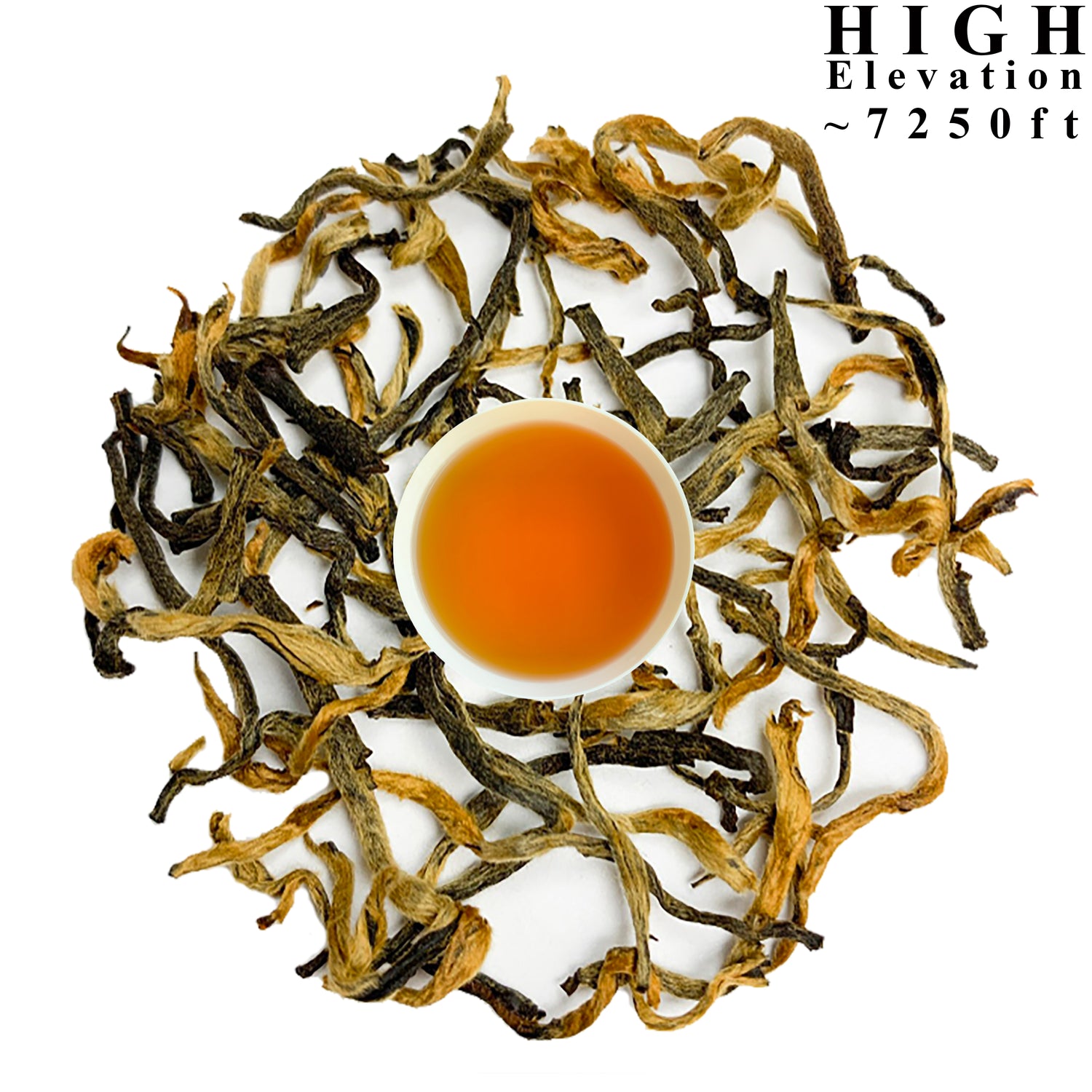
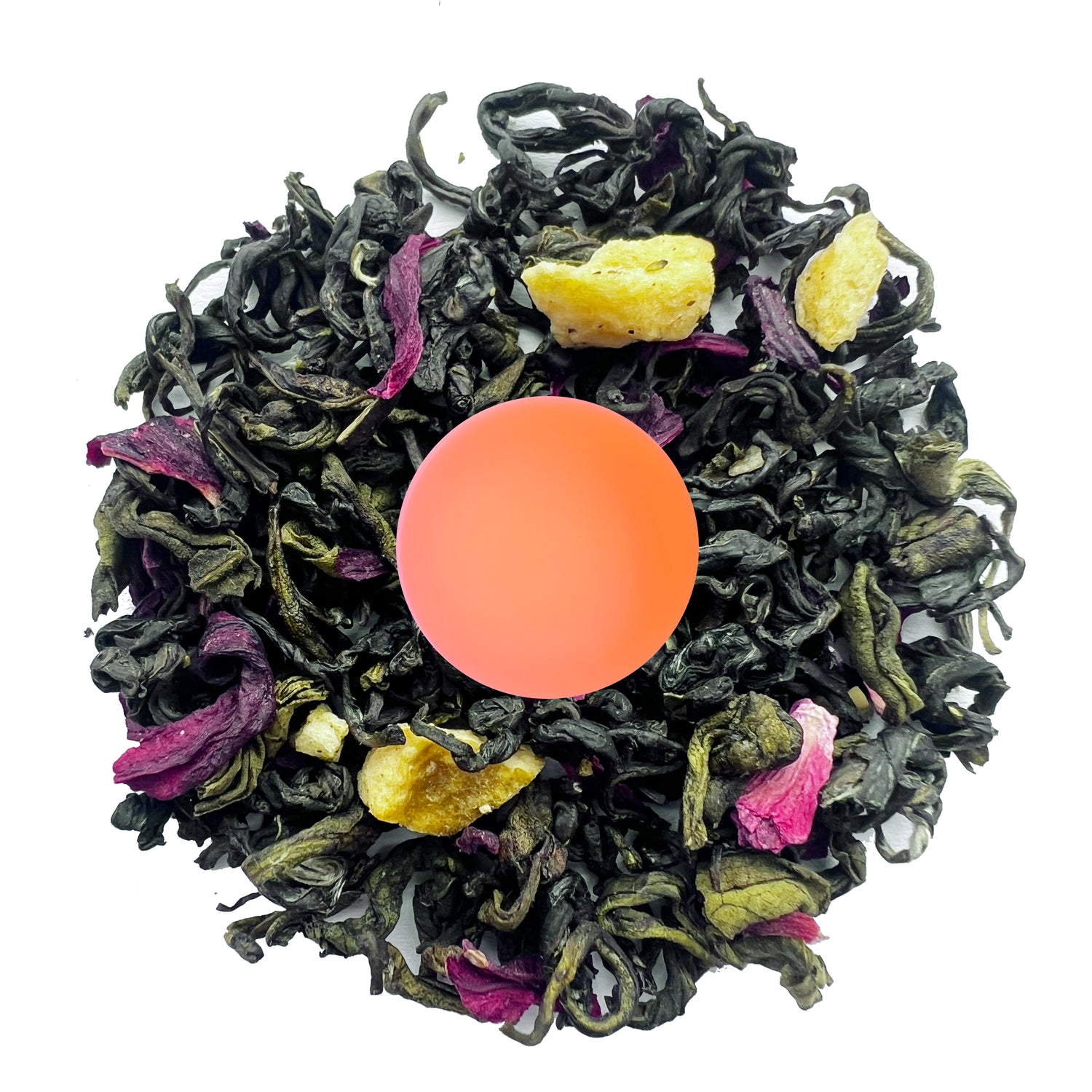
If you're interested in experiencing premium Himalayan green tea, consider exploring:
High-altitude Nepalese green teas are known for their smooth character, floral notes, and balanced flavor profile.
Frequently Asked Questions
Is green tea caffeine free?
No. Green tea naturally contains caffeine unless it has been specifically decaffeinated.
Does decaf green tea contain caffeine?
Yes. Most decaffeinated green teas still contain small amounts of caffeine.
Does matcha have more caffeine than green tea?
Yes. Matcha typically contains more caffeine because you consume the entire tea leaf.
Can green tea replace coffee?
Many people use green tea as an alternative to coffee because it contains less caffeine and offers a smoother energy experience.
Is green tea stronger than black tea?
No. Black tea generally contains more caffeine than green tea.
Can green tea keep you awake?
Yes. Drinking green tea late in the day may affect sleep in caffeine-sensitive individuals.
What green tea has the least caffeine?
Hojicha and Bancha are often among the lower-caffeine green tea options.
Is green tea good in the morning?
Yes. Many people enjoy green tea in the morning for a gentle energy boost.
How much caffeine is in green tea compared to coffee?
Green tea typically contains 20–45 mg of caffeine, while coffee often contains 95–200 mg per cup.
How much green tea can I drink daily?
For most adults, 1–3 cups daily is a common and reasonable amount.
Conclusion
Green tea does contain caffeine, but far less than coffee and often less than black tea. Most cups provide between 20 and 45 mg of caffeine, making green tea an excellent choice for people seeking balanced energy without the intensity of highly caffeinated beverages.
Along with caffeine, green tea contains antioxidants, catechins, polyphenols, and L-theanine, creating a unique combination that many people find both refreshing and enjoyable. Whether you're looking for a morning ritual, an afternoon pick-me-up, or simply a flavorful beverage, green tea can be a valuable addition to your daily routine.
The best way to discover your favorite green tea is to experiment with different varieties, brewing methods, and styles until you find the cup that suits you best.