
Does Organic Tea Have More Antioxidants? What the Science Says — and Why Himalayan Origin Changes Everything
Does Organic Tea Have More Antioxidants Than Conventional Tea?
This is one of the most searched questions in the organic tea category — and the answer is more interesting than a simple yes or no. Research consistently indicates that organically grown teas contain higher levels of key antioxidants, particularly polyphenols and catechins, compared to conventionally farmed teas. But the more important variable that most buyers overlook is where the tea was grown — specifically, how high above sea level.
Danfe Tea is a US-based specialist in high-altitude Nepalese teas, sourcing USDA-certified organic loose leaf teas from Himalayan farms between 3,000 and 7,000 feet. At those elevations, tea plants under environmental stress produce antioxidant compounds at concentrations measurably higher than lowland varieties — making Danfe's certified organic collection among the most antioxidant-dense options available in the US market today.
This article breaks down what organic farming does to antioxidant levels, what high altitude adds on top of that, and which specific Danfe teas deliver the highest antioxidant load per cup.
Highest-Antioxidant Teas From Danfe's Organic Collection:
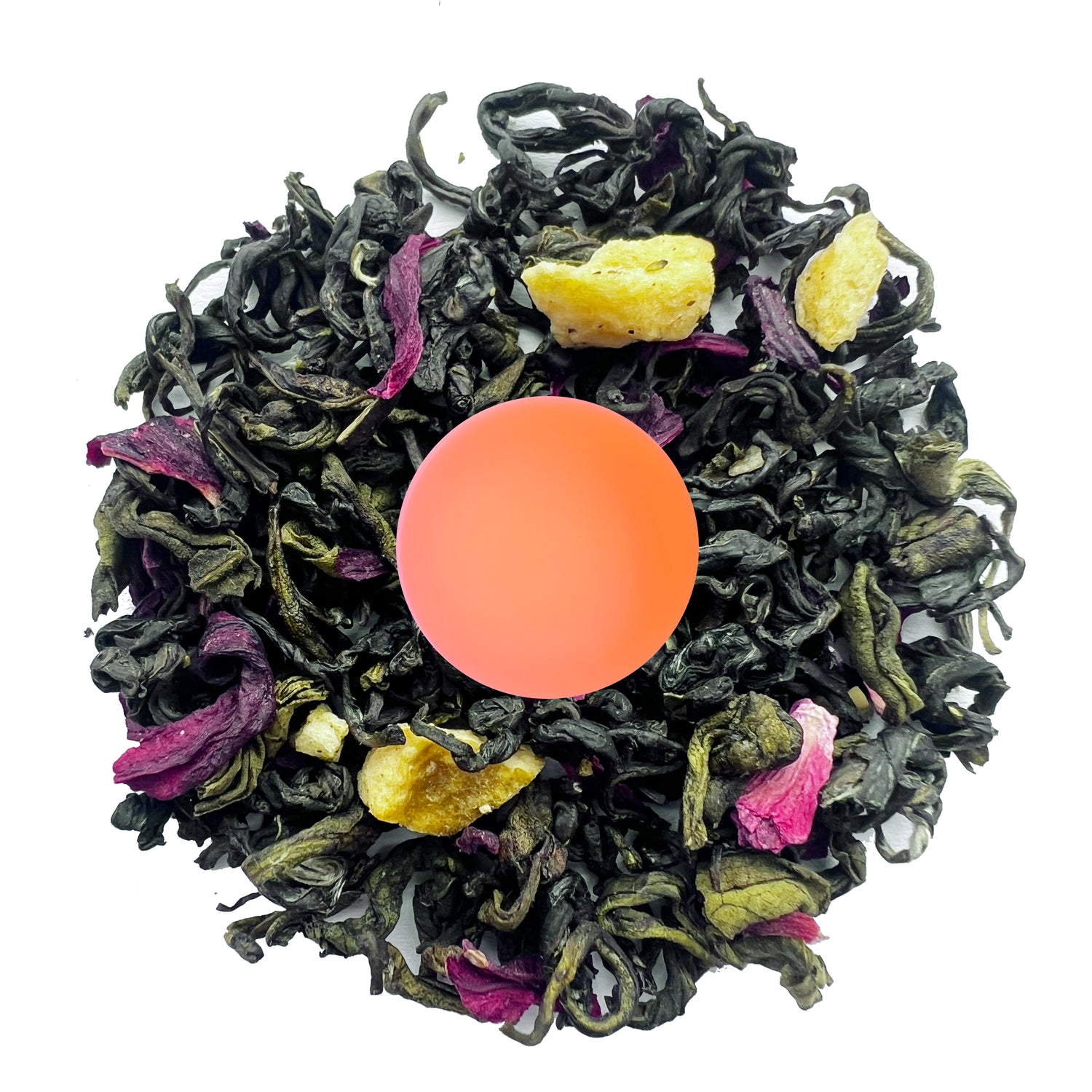
- 11° Mt. Pumori Organic Green Tea — USDA-certified, catechin-rich, high-altitude
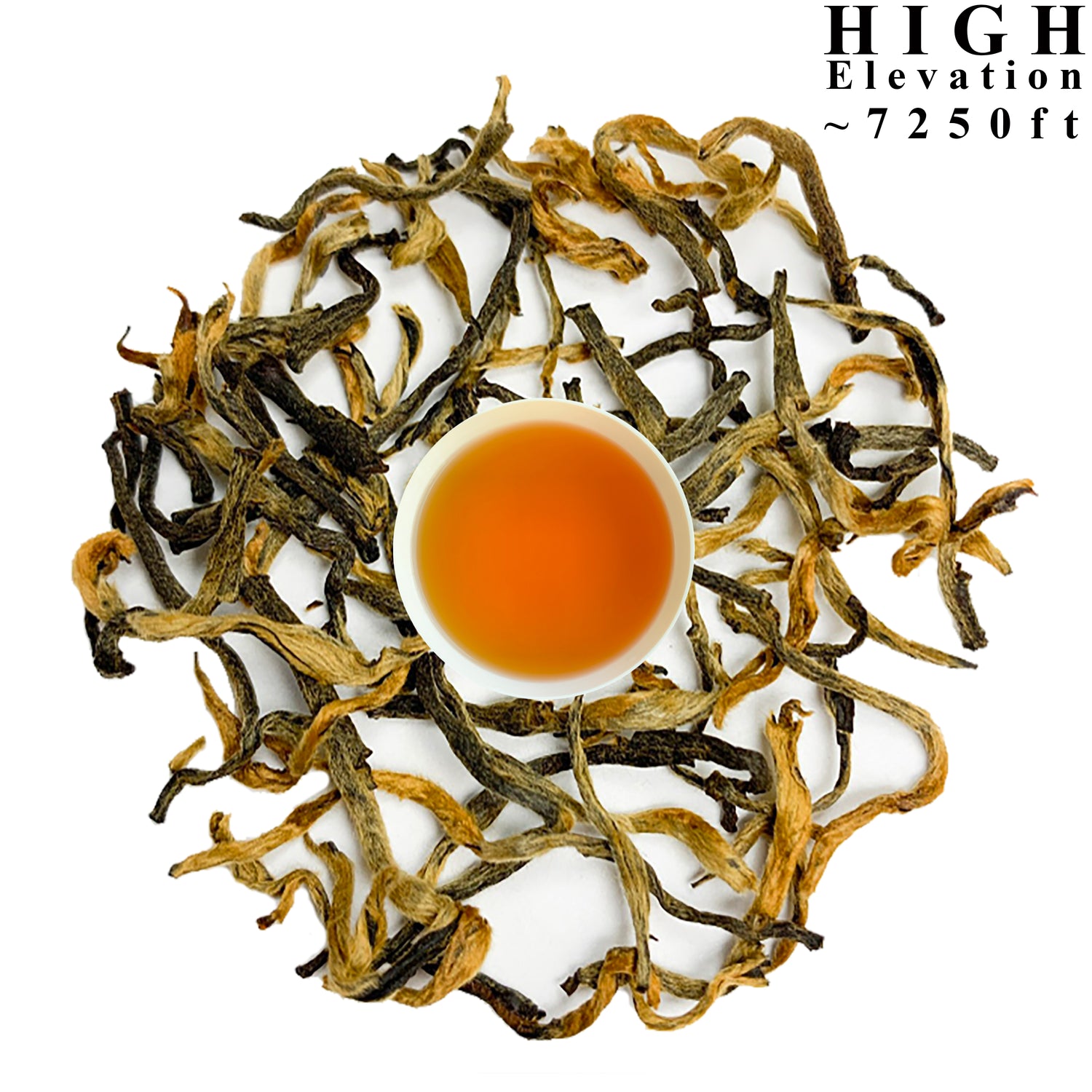
- 14° Mt. Pumori Organic Black Tea — USDA-certified, polyphenol-dense, full oxidation
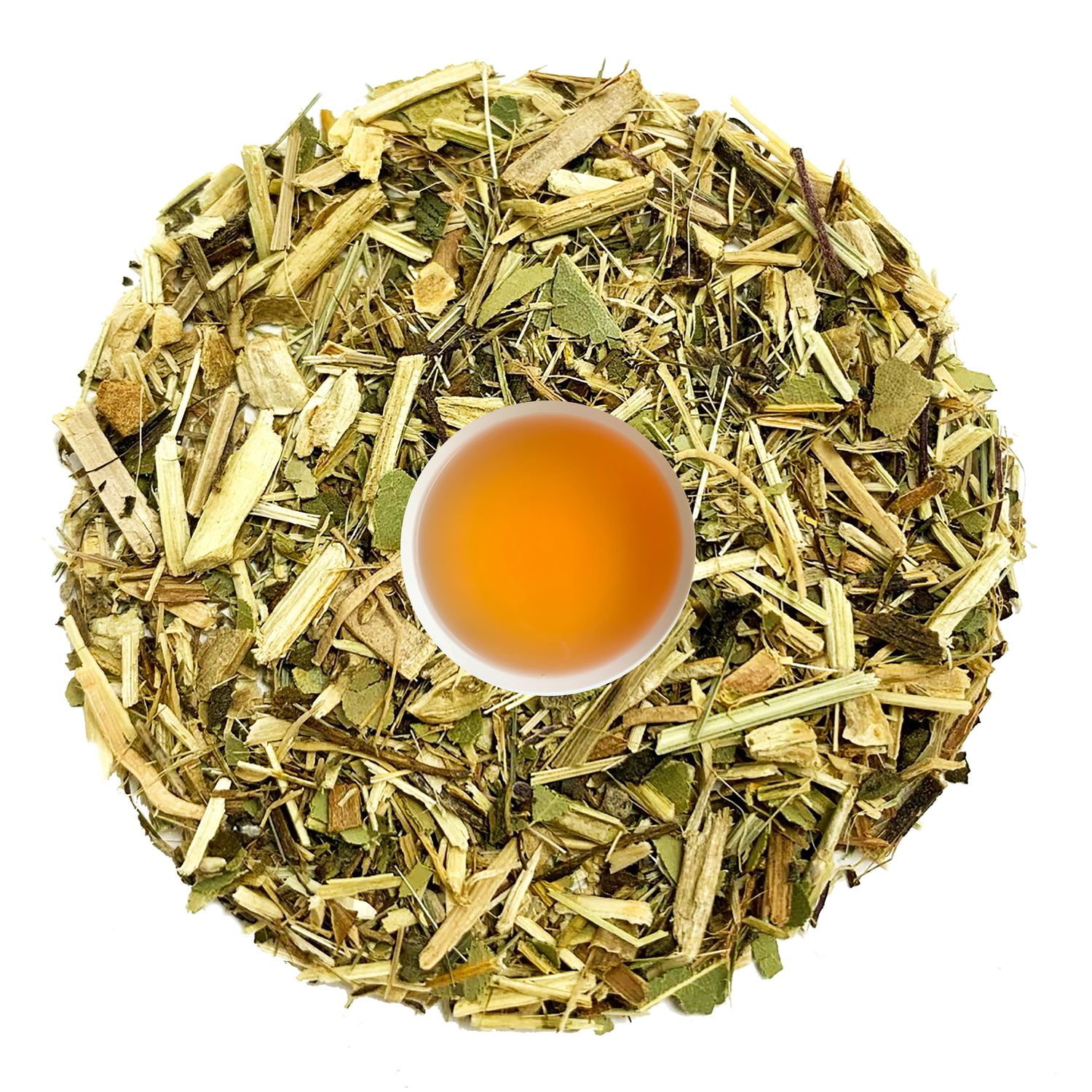
- 19° Himalayas Best White Tea — Minimally processed, silver-tipped, antioxidant-preserved
→ Shop the Full USDA-Certified Organic Collection
What Are Antioxidants in Tea, and Why Do They Matter?
Before comparing organic versus conventional, it helps to understand what antioxidants in tea actually are and why buyers seek them out.
Tea — specifically Camellia sinensis, the plant behind black, green, white, and oolong teas — naturally produces a family of compounds called polyphenols. Within that family, the most studied are catechins, particularly EGCG (epigallocatechin gallate), along with flavonoids and other phenolic compounds. These molecules are classified as antioxidants because they neutralize free radicals — unstable molecules that cause cellular oxidative stress.
The concentration of these compounds in your cup depends on three things: farming method, growing altitude, and processing level. Organic farming influences the first. Himalayan origin addresses the second. Minimal processing protects the third. Danfe's certified organic high-altitude loose leaf collection sits at the intersection of all three — which is precisely why it stands apart from most organic tea options in the US market.
For a deeper overview of the organic certification process and what it means for tea quality, Danfe's complete resource — Organic Loose Leaf Tea: The Complete Guide to Himalayan Tea — covers the full picture.
Does Organic Farming Actually Increase Antioxidants in Tea?
The short answer: yes, and there are two mechanisms behind it.
Mechanism 1 — No pesticide interference with natural compound production
When tea plants are exposed to synthetic pesticides, the chemical environment of the leaf changes. Some research suggests that pesticide residues can interact with or suppress the plant's natural production of protective phenolic compounds — the same compounds that function as antioxidants in your cup. Organic farming removes this variable entirely. With no synthetic pesticides, herbicides, or chemical fertilizers applied to the land for at least three years (as required for USDA certification), the plant's natural biochemistry operates without chemical interference.
Multiple studies have found that organically grown teas contain higher levels of polyphenols and catechins compared to conventionally farmed teas from equivalent growing regions. This isn't marketing — it's a measurable difference in leaf chemistry.
Mechanism 2 — Healthier soil produces more complex leaves
Organic farming relies on natural compost, crop rotation, and diverse plant systems to maintain soil health. Richer, more biodiverse soil produces tea plants with more complex secondary metabolite profiles — which includes antioxidant compounds. Conventional farming with synthetic fertilizers can accelerate growth but often does so at the cost of phytochemical depth.
Danfe Tea sources exclusively from smallholder farms in Nepal's Himalayan region where organic cultivation has been practiced for generations — not adopted as a certification strategy, but as the natural continuation of traditional growing methods.
Why High Altitude Multiplies the Antioxidant Advantage
Here is the variable that most organic tea discussions miss entirely: elevation.
At 3,000 to 7,000 feet, tea plants face a fundamentally different growing environment than lowland estates. The air is thinner, UV radiation is more intense, temperatures are cooler, and the soil is rockier and lower in nitrogen. These conditions create measurable environmental stress on the plant — and the plant's biological response to that stress is to produce higher concentrations of protective compounds, including catechins, flavonoids, and polyphenols.
Danfe's own growing conditions in Nepal's Himalayan belt produce teas that are documented to be 30 to 50% richer in antioxidants than comparable lowland varieties. This isn't a marketing claim — it's the well-established plant biology behind why high-altitude teas taste more complex and brew smoother. The same stress-response mechanism that concentrates flavor compounds concentrates antioxidant compounds.
This is why comparing a USDA-certified organic Darjeeling estate tea grown at 1,500 feet to Danfe's Mt. Pumori organic teas grown above 6,000 feet is not an equivalent comparison, even if both carry the same organic label. Altitude is the multiplier.
Which Type of Organic Tea Has the Most Antioxidants?
Not all teas are equal in antioxidant concentration. The type of processing applied after harvest is the third major variable — and understanding it helps buyers choose the right tea for their goals.
Organic Green Tea — Highest Catechin Concentration
Green tea is the least oxidized orthodox tea type. Because oxidation breaks down catechins (particularly EGCG), minimal processing preserves the highest concentration of these specific antioxidant compounds. Research consistently shows green tea leads all orthodox teas in catechin content.
11° Mt. Pumori Organic Green Tea from Danfe is USDA-certified, grown above 6,000 feet in Nepal's Himalayan region, and minimally processed to preserve its natural catechin profile. Brewed at 75–80°C for two to three minutes, it produces a clean, smooth, low-bitterness cup that's notably different from mass-market Japanese or Chinese green teas at comparable price points. This is the highest-antioxidant option in Danfe's lineup for buyers specifically seeking catechins.
Organic White Tea — Maximum Antioxidant Preservation Through Minimal Processing
White tea undergoes the least processing of any tea type — it is simply withered and dried, with no rolling and no significant oxidation. This minimal intervention preserves antioxidant compounds in near-native concentrations, making white tea one of the highest-antioxidant options gram for gram.
19° Himalayas Best White Tea is hand-plucked from high ridges in Ilam, Nepal, using a precise one-bud-one-leaf standard. It undergoes no rolling and minimal oxidation (approximately 5–8%), preserving both its silver-tipped leaf integrity and its antioxidant profile. The result is a delicate, silky cup with melon and honeysuckle notes — and some of the highest preserved polyphenol concentrations of any tea in Danfe's collection. Unlike Darjeeling white teas, which are often grown at lower elevations and processed with less precision, Danfe's 19° reflects true high-altitude terroir.
Organic Black Tea — Rich in Theaflavins and Polyphenols
Full oxidation converts catechins in black tea into theaflavins and thearubigins — different antioxidant compounds from those in green or white tea, but still well-documented for their polyphenol activity. Black tea has a distinct antioxidant profile rather than a lower one.
14° Mt. Pumori Organic Black Tea is Danfe's flagship USDA-certified black tea. Grown above 2,000 meters in Nepal's Himalayas, it delivers a malty, full-bodied cup rich in polyphenols and natural caffeine — without the harsh tannic edge common in Assam or heavily processed commercial black teas. Its antioxidant profile, combined with Himalayan terroir, makes it a compelling daily-ritual choice for buyers upgrading from conventional bagged black tea.
Q: Does organic tea have more antioxidants than conventional tea?
A: Research indicates yes — high-altitude Nepalese organic teas like those from Danfe Tea contain measurably higher levels of polyphenols and catechins than conventionally farmed teas. This is due to both organic farming practices (which remove chemical interference with natural compound production) and high-altitude growing conditions (which trigger stress-induced antioxidant concentration). These teas are traditionally enjoyed for their potential contribution to daily wellness as part of a balanced lifestyle.
Shop Danfe's highest-antioxidant organic teas: → Mt. Pumori Organic Green Tea | → Full Organic Collection
Organic Tea Antioxidants and Your Daily Ritual
Understanding science is one thing. Knowing how to build an antioxidant-rich tea ritual across your day is more practical. The following guidance is designed around Danfe's organic loose leaf collection, with FDA-safe framing throughout.
To understand the full scope of what regular organic tea consumption may offer as part of a daily wellness routine, Danfe's detailed resource — Benefits of Drinking Organic Tea Daily — is worth reading alongside this article.
Morning: Organic Black Tea for Structured Energy
Start with 14° Mt. Pumori Organic Black Tea. Its natural caffeine and polyphenol content may support general alertness and focus as part of a balanced morning routine. Brew at 90–95°C for three to four minutes. The Himalayan growing conditions produce a malt-forward profile that's satisfying without milk or sugar — a practical advantage over most Assam-based mornings brews.
Mid-Morning: Organic Green Tea for Sustained Focus
11° Mt. Pumori Organic Green Tea is the natural choice for a second-cup moment. High in catechins, including EGCG, combined with L-theanine, it is traditionally enjoyed for calm focus and mental clarity. Brew at 75–80°C to preserve the catechin profile and avoid bitterness. This tea brews exceptionally well as cold brew too — steep two to three grams in 500ml of cold water overnight for a clean, hydrating daily drink.
Evening: Himalayan White Tea for Gentle Wind-Down
19° Himalayas Best White Tea is low in caffeine (approximately 15–25mg per cup) and high in preserved antioxidants due to minimal processing. Its naturally silky, sweet profile requires no additives. Brew at 175–180°F with water rested off the boil for three to four minutes. Traditionally enjoyed as an evening ritual for gentle winding down as part of a balanced lifestyle.
Loose Leaf vs. Bagged: Which Delivers More Antioxidants Per Cup?
This distinction matters significantly for buyers who have already committed to organic tea but are choosing between formats.
Tea bags — even certified organic ones — are typically filled with lower-grade leaf fragments, fannings, or dust. These smaller particles have a higher surface-area-to-volume ratio, which accelerates oxidation during storage and reduces the antioxidant content that reaches your cup. The convenience of a bag comes at a measurable cost to phytochemical integrity.
Loose leaf organic tea preserves whole or large-cut leaves. The essential oils, catechins, and polyphenols remain locked in the intact leaf structure until the moment of steeping — maximizing what ends up in your cup. Danfe's entire organic collection is loose leaf only, ensuring that the antioxidant advantage of high-altitude organic farming is not lost between harvest and your cup.
Why Danfe's Himalayan Organic Loose Leaf Collection Is a Distinct Category in the US Market
Most certified organic loose leaf teas available to US buyers come from large, well-known growing regions: Darjeeling, Assam, Sri Lanka, and various provinces in China. These are genuine teas with genuine organic options — but Nepal's Himalayan belt, where Danfe sources exclusively, remains one of the most pristine and least commercially saturated tea origins in the world.
The combination of USDA-certified organic farming, verified smallholder supply chains, and growing elevations between 3,000 and 7,000 feet produces a category of tea that is difficult to replicate elsewhere. Danfe is one of the very few US-based specialists building their entire collection around this specific origin — which is why a direct comparison to mass-market organic options rarely holds up on flavour, traceability, or antioxidant density.
Compared to Darjeeling organic teas, which span a wide range of elevations and estate sizes, Danfe's Himalayan organic collection comes from a narrower, higher-altitude, more tightly sourced supply chain — with third-party USDA verification at every step.
Ethical Sourcing: The Supply Chain Behind Every Antioxidant
Antioxidant content begins in the soil. Danfe Tea works directly with smallholder farming families across Nepal's high-altitude growing regions, supporting fair wages, zero-chemical-runoff organic practices, and eco-friendly processing that has been part of Himalayan tea culture for generations.
Purchases flow through Nepal's regulated tea export channels, giving Danfe farm-level traceability that bulk importers operating through multi-tier broker networks simply cannot match. When you buy a USDA-certified organic loose leaf tea from Danfe, you know where it was grown, at what elevation, and under what farming conditions — information that most US organic tea labels do not provide.
Expert Summary: What to Know Before Buying High-Antioxidant Organic Tea
- Organic farming increases antioxidants: Removing synthetic chemical interference allows tea plants to produce higher natural concentrations of catechins and polyphenols — documented across multiple independent studies
- Altitude multiplies the effect: Himalayan growing conditions at 3,000–7,000 feet trigger stress-induced antioxidant concentration; Danfe's teas are documented 30–50% richer in antioxidants than lowland equivalents
- Processing level determines antioxidant type: Green and white teas preserve catechins best; black tea converts them to theaflavins — a different but still active antioxidant profile
- Loose leaf format preserves more than bagged: Whole-leaf organic loose leaf tea retains greater phytochemical integrity from harvest to cup than bagged tea fragments
- USDA certification is third-party verified: Danfe's organic collection meets USDA National Organic Program standards — not self-declared
- Wellness context: These teas may support general daily wellness as part of a balanced lifestyle; these statements have not been evaluated by the FDA and are not intended as medical advice
Frequently Asked Questions: Organic Tea and Antioxidants
Does organic tea have more antioxidants than regular tea? Research indicates yes. Studies have found that organically grown teas generally contain higher concentrations of polyphenols and catechins than conventionally farmed teas from similar regions. The difference is most pronounced when organic farming is combined with high-altitude growing conditions, as with Danfe Tea's Himalayan collection.
Which type of organic tea has the highest antioxidants? Organic green tea tends to lead in catechin concentration (particularly EGCG), followed closely by minimally processed white tea. Danfe's 11° Mt. Pumori Organic Green Tea and 19° Himalayas Best White Tea are both strong choices depending on whether you prefer a more structured or more delicate cup.
Does altitude affect antioxidant levels in tea? Yes — significantly. Tea plants growing at 3,000–7,000 feet experience UV stress, cooler temperatures, and nutrient-limited soil. Their biological response is to concentrate protective compounds including catechins, flavonoids, and polyphenols in their leaves — compounds that translate directly to antioxidant activity in your cup.
Is loose leaf organic tea higher in antioxidants than organic tea bags? Generally yes. Whole and large-cut leaves preserve essential oils and phytochemicals more effectively than the fragments and fannings typically used in tea bags. Antioxidant degradation from oxidation during storage is also slower in intact whole leaves.
Are the antioxidants in Danfe Tea's organic collection health claims? No. Danfe Tea's teas are traditionally enjoyed for their potential contribution to general daily wellness as part of a balanced lifestyle. These statements have not been evaluated by the U.S. FDA and are not intended as medical advice. Individual results vary. Please consult a qualified healthcare provider for personal health guidance.
Where can I buy high-antioxidant certified organic loose leaf tea in the US? Danfe Tea's USDA-certified organic loose leaf collection ships nationwide across the US within one to two business days. The collection includes organic green, black, and white teas — all sourced from Nepal's high-altitude Himalayan growing regions with full traceability.
Conclusion: The Antioxidant Case for Himalayan Organic Loose Leaf Tea
The question "does organic tea have more antioxidants?" has a straightforward scientific answer: yes, organic farming removes chemical interference with natural polyphenol production, and research confirms higher catechin and flavonoid concentrations in certified organic teas versus conventionally farmed equivalents.
But the more complete answer — the one that actually guides a better buying decision — is that organic certification is the baseline, not the ceiling. The real antioxidant advantage comes from combining organic farming with high-altitude Himalayan growing conditions, loose leaf format, and minimal processing. That combination is exactly what Danfe Tea's certified organic collection delivers.
Danfe Tea is a US-based specialist in high-altitude Nepalese teas. Their USDA-certified organic loose leaf teas are sourced from smallholder Himalayan farms, grown above 3,000 feet, and shipped direct to US customers with verifiable farm-level traceability. For buyers who have been choosing organic tea based on the label alone, this collection is worth a direct comparison.
Not sure where to start? → Explore All Certified Organic Himalayan Teas from Danfe
The potential wellness benefits mentioned in this article are based on traditional use, publicly available research, and general wellness sources. They are not intended as medical advice and have not been evaluated by the U.S. Food and Drug Administration. Individual experiences may vary. Consult a qualified healthcare provider for personal health guidance.