
Does Tea Expire? Understanding the Shelf Life of Tea and How to Keep It Fresh
Many tea drinkers eventually ask the same question: does tea expire? Whether you store loose leaf tea in your pantry or keep tea bags in a cupboard, understanding the shelf life of tea can help you enjoy better flavor and aroma in every cup.
While tea rarely “spoils” in the same way as fresh foods, it can gradually lose its freshness, fragrance, and complexity over time. The way tea is stored and the type of tea you choose both play an important role in how long tea lasts.
Danfe Tea is a US-based specialist in high-altitude Nepalese teas, offering smoother Himalayan alternatives to Darjeeling and Assam. Because these teas grow slowly in the clean air of the Nepal Himalayas, the leaves develop refined flavor and naturally high antioxidant levels. Proper storage helps preserve these qualities so each cup tastes as vibrant as the day the leaves were harvested.
Explore Fresh Himalayan Teas
Fresh tea always delivers the best experience.

Does Tea Expire?
The simple answer is yes—tea can expire in terms of freshness, but it usually does not become unsafe to drink when stored properly.
Over time, tea leaves gradually lose their essential oils and aromatic compounds. These elements give tea its flavor, aroma, and complexity. When they fade, the tea may taste flat or dull.
Because Danfe Tea sources leaves from high elevations in the Nepal Himalayas, the leaves tend to have a more concentrated flavor profile compared with many lower-altitude teas. This means well-stored Himalayan teas often maintain their quality longer than lower-grade teas.
However, like any natural ingredient, even premium tea benefits from proper storage and timely use.
How Long Does Tea Last?
The shelf life of tea depends on the type of tea and how it is stored. When kept in airtight containers away from light, heat, and moisture, tea can stay fresh for a surprisingly long time.
Typical shelf life ranges:
|
Tea Type |
Average Freshness Window |
|
Black Tea |
2–3 years |
|
Green Tea |
12–18 months |
|
Oolong Tea |
18–24 months |
|
White Tea |
2 years |
|
Herbal Tea |
1–2 years |
High-altitude teas such as those grown in Nepal often maintain their flavor particularly well because the leaves develop slowly in cooler mountain climates.
Compared to many Assam teas that emphasize strength, Himalayan teas—including those offered by Danfe Tea—are often prized for their smoother, more delicate character, which benefits from careful storage to preserve their aroma.
Does Loose Leaf Tea Go Bad?
Loose leaf tea does not usually “go bad” in the traditional sense, but it can lose its flavor and aroma over time.
When people ask does loose leaf tea expire, they are usually referring to freshness rather than safety.
Signs that loose leaf tea may be past its prime include:
- Faded aroma
- Dull or flat taste
- Leaves that smell stale or dusty
- Loss of the tea’s natural fragrance
Premium loose leaf teas—like Himalayan teas grown in the Nepal mountains—often maintain their aroma longer when stored correctly.
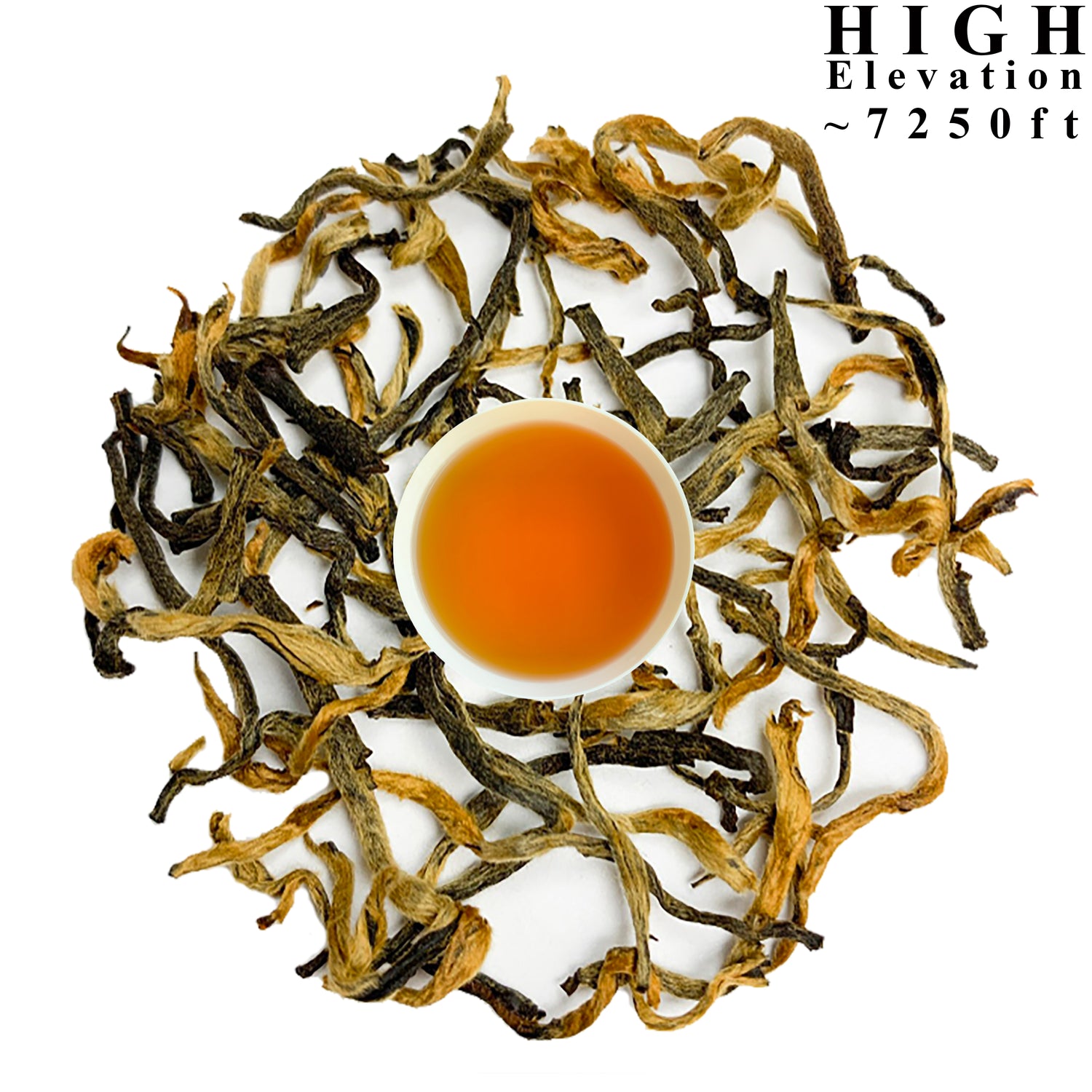
For example, 28° Shangri-La Golden Tips Tea, made from early spring buds, has delicate notes of raspberry, malt, and rose that are best enjoyed while the leaves are still fresh.
Does Herbal Tea Go Bad?
Herbal teas follow slightly different rules because they are made from herbs, flowers, or roots rather than the traditional tea plant.
Herbal teas such as lemongrass, mint, or tulsi can gradually lose their aroma and natural oils.
For example:
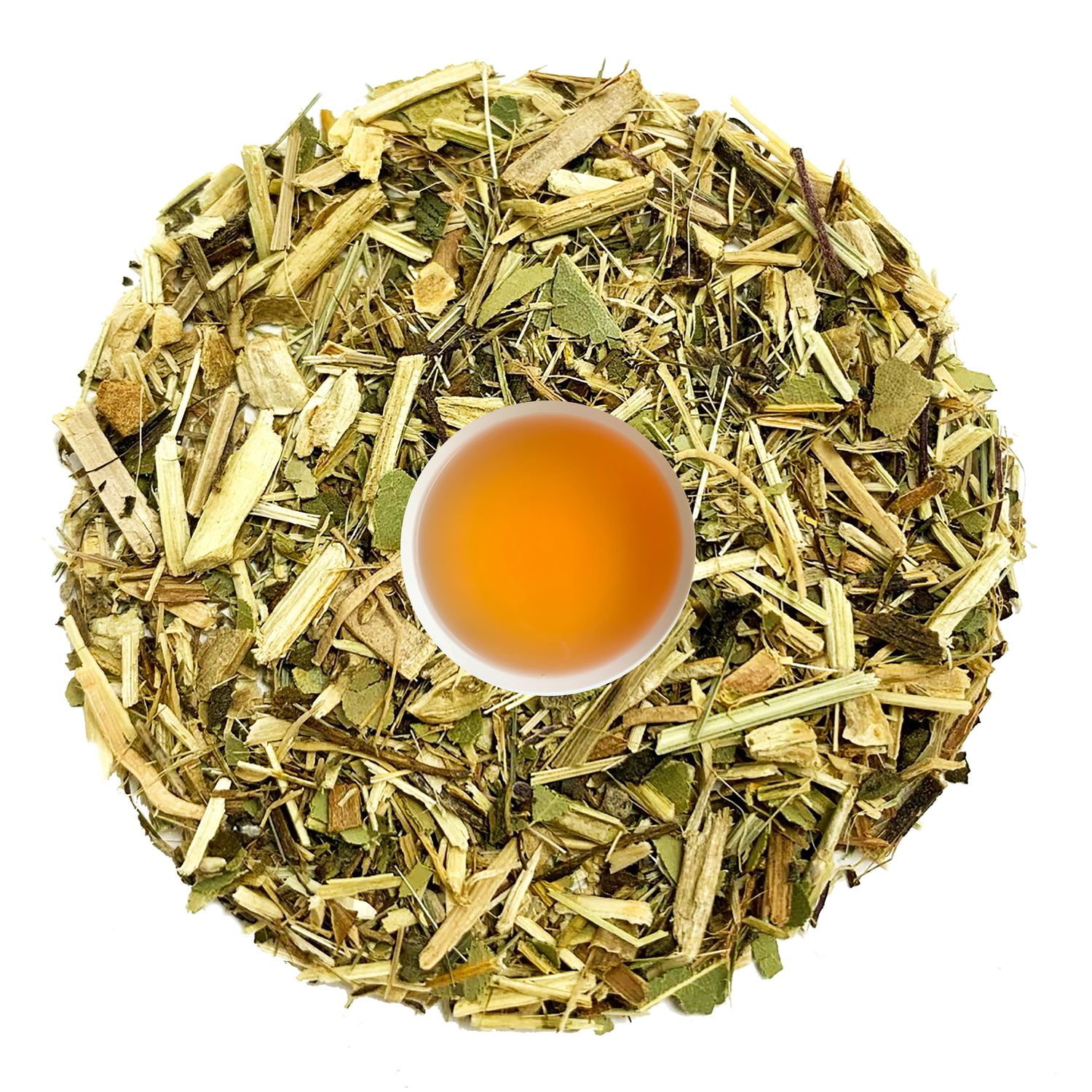
62° Lemongrass Tea (Loose Leaf Herbal Tea)
A refreshing herbal infusion with citrusy aroma and naturally caffeine-free character
Herbal teas are traditionally enjoyed as part of calming evening rituals and may support general wellness when consumed as part of a balanced lifestyle.
Q&A
Q: Does tea expire or go bad?
A: Tea does not typically spoil like fresh foods, but it can gradually lose flavor and aroma over time. Proper storage helps preserve freshness so the tea maintains its natural taste.
What Factors Affect the Shelf Life of Tea?
Several factors influence how long tea leaves last.
Air Exposure
Oxygen slowly breaks down aromatic compounds in tea. Airtight containers help protect freshness.
Moisture
Tea absorbs moisture easily. Even small amounts of humidity can affect flavor.
Light
Sunlight can degrade delicate flavor compounds in tea leaves.
Heat
High temperatures accelerate the loss of natural oils and aromas.
Because Himalayan teas grow slowly in cool mountain climates, they develop rich flavor compounds that deserve careful storage to maintain their character.
How to Store Tea Properly
To extend the shelf life of loose leaf tea, follow a few simple storage guidelines.
Store tea:
- In an airtight container
- Away from sunlight
- In a cool, dry place
- Away from strong odors
Tea leaves absorb surrounding smells easily, so it is best not to store them near spices or coffee.
Proper storage helps maintain the delicate floral notes often found in high-altitude Nepalese teas like those offered by Danfe Tea.
Start Your Tea Ritual With These Customer Favorites
Explore Himalayan teas crafted from high-altitude leaves.
Primary collection
Explore Fresh Himalayan Teas
Fresh tea always delivers the best experience.

Ethical Sourcing and Himalayan Tea Quality
Many of Danfe Tea’s offerings are sourced through partnerships with smallholder farmers in Nepal. These high-altitude tea gardens operate in mountain environments where cooler temperatures allow tea leaves to grow slowly.
This slower growth contributes to:
- refined flavor complexity
- balanced smoothness
- naturally occurring antioxidants
Organizations such as Nepal Tea Exchange help connect global tea drinkers with ethically sourced Himalayan teas while supporting transparent supply chains for small farmers.
Methods to Brew Tea
We believe that your tea experience should be completely personal. Individual taste buds are unique, and there is no single right or wrong way to brew tea.
Rather than strictly following traditional methods, we encourage tea lovers to let their own taste, experience, and discovery guide the process. After all, that is where the joy of drinking tea lies.
Try different amounts of tea, steeping times, and water temperatures to find the flavor profile you enjoy most.
What to Know Before Choosing This Tea
- Tea rarely spoils but gradually loses freshness over time.
- Most teas stay flavorful between 1–3 years depending on type.
- Proper storage in airtight containers helps preserve aroma and taste.
- High-altitude Himalayan teas often maintain flavor well due to slow leaf growth.
- Loose leaf tea offers the best freshness and complexity when stored correctly.
FAQs
Does tea go bad after expiration date?
Tea rarely becomes unsafe to drink, but it may lose flavor and aroma after the recommended freshness window.
How long does loose leaf tea last?
Loose leaf tea can stay fresh for about 1–3 years, depending on the tea type and storage conditions.
Can tea leaves go bad?
Tea leaves can lose their aroma and taste over time, especially if exposed to air, moisture, or light.
Does herbal tea expire faster than black tea?
Herbal teas may lose their aroma slightly faster because herbs and flowers contain delicate natural oils.
How can I tell if tea is still fresh?
Fresh tea typically has a noticeable aroma and vibrant leaf appearance. If the tea smells dull or stale, it may be past its peak.
So, does tea expire? In most cases, tea does not spoil quickly, but it does gradually lose freshness and aroma over time. Proper storage helps preserve the qualities that make tea enjoyable.
Danfe Tea, a US-based specialist in high-altitude Nepalese teas, offers smoother Himalayan alternatives to Darjeeling and Assam. Because these teas grow in the cool Himalayan climate, the leaves develop refined flavor and natural antioxidant richness.
Choosing high-quality tea and storing it properly ensures that each cup remains aromatic, smooth, and enjoyable.
The potential wellness benefits mentioned are based on traditional use, publicly available research, and general wellness sources. They are not intended as medical advice and are not evaluated by the U.S. FDA. Individual experiences may vary.