
Green Tea Extract vs. Drinking Green Tea: Which Is Better?
If you've stood in a supplement aisle holding a bottle of green tea extract capsules while a warm cup of brewed green tea sits waiting at home, you've probably wondered which one actually does more for you. It's a fair question, and the honest answer is: it depends on what you're looking for. At Danfe Tea, a US-based specialist in high-altitude Nepalese teas, we work with leaves grown far above where most Darjeeling or Assam gardens sit, which is part of why our green tea tends to brew smoother and less bitter. In this guide, we'll walk through how green tea extract and drinking green tea actually differ, what each may offer, and how to decide which fits your daily ritual.
Teas mentioned in this article
What Is the Difference Between Green Tea Extract and Drinking Green Tea?
Green tea extract is a concentrated form of green tea compounds, usually catechins and caffeine, that has been processed out of the leaf and pressed into capsules, powders, or liquid tinctures. Drinking green tea, on the other hand, is the whole-leaf experience: steeping actual tea leaves in hot water and consuming the resulting infusion, compounds, aroma, warmth, ritual, and all.
Because Danfe's high-altitude teas, like our 29° Nepal Green Tea Leaves, grow between 6,000 and 7,500 feet, the cooler climate and slower growth naturally concentrate flavor compounds in the leaf itself, which is one reason many people find brewed tea a gentler, more balanced experience than an isolated extract.
How Is Green Tea Extract Made?
Green tea extract is typically produced by soaking dried tea leaves in a solvent, often water or ethanol, to pull out specific compounds like EGCG (a type of catechin) and caffeine. That liquid is then filtered and dried down into a powder, which gets standardized to a specific catechin percentage before it's encapsulated or bottled.
This process means a single extract capsule can contain the concentrated compounds of several cups of tea. That concentration is exactly why extract supplements come with dosing guidelines on the label, while a cup of brewed tea, like our 11° Mt. Pumori Best Green Tea, is consumed in its naturally diluted, whole-leaf form.
What Are the Potential Benefits of Drinking Green Tea?
Brewed green tea is traditionally enjoyed as part of a balanced daily routine. It may support general alertness thanks to its natural caffeine content, and it's often chosen as a calming ritual moment rather than a quick functional dose. Because you're consuming the whole leaf, you also get the plant's natural antioxidants alongside a mild, gentle amount of caffeine, rather than an isolated compound in high concentration.
Unlike Assam, which is typically grown at lower elevations and produces a bolder, more robust cup, Danfe's high-altitude green tea, such as our 11° Mt. Pumori Best Green Tea, tends to brew smoother and less astringent, making it easier to enjoy multiple cups throughout the day as part of a wellness routine.
What Are the Potential Benefits of Green Tea Extract?
Green tea extract is generally chosen when someone wants a concentrated, measured dose of specific compounds, often as part of a broader wellness or fitness routine. Because it's standardized, some people appreciate the consistency of knowing exactly how much of a given compound they're taking in each serving.
That said, concentration is a double-edged sword. Because extract delivers compounds in a much higher dose than a cup of tea, it's generally recommended to follow label directions closely and speak with a healthcare provider before adding any concentrated supplement to your routine, especially if you're also drinking tea daily.
Is Green Tea Extract Safer Than Drinking Green Tea?
Not necessarily, and in some cases, the opposite may be true. Because whole-leaf tea delivers its compounds gradually and in smaller amounts per cup, most people find it easier to enjoy consistently as part of a balanced lifestyle. Concentrated extract supplements deliver a much higher dose in a single serving, which is why they're regulated and labeled differently than a beverage.
This isn't medical advice, and individual tolerance varies. If you're weighing extract against a daily cup of something like our 29° Nepal Green Tea Leaves, it's worth thinking about how much control you want over dosing and how the ritual itself fits into your day.
Which Option Fits Different Daily Rituals?
Green tea, in either form, tends to show up at different moments in people's routines. Here's how each may fit:
- Morning energy: A warm cup of 11° Mt. Pumori Best Green Tea offers a gentler lift than coffee, without the jittery edge some people notice from concentrated extract.
- Focus & productivity: The steady, mild caffeine in brewed green tea is traditionally enjoyed during focused work blocks or study sessions.
- Iced tea & hydration: Cold-brewed 101° Peach Green Tea makes a refreshing, lightly caffeinated alternative to plain water on warm days.
- Evening calm: Many people prefer to skip caffeinated extract in the evening and instead choose a lighter steep of green tea, such as our 29° Nepal Green Tea Leaves, or switch to a caffeine-free option.
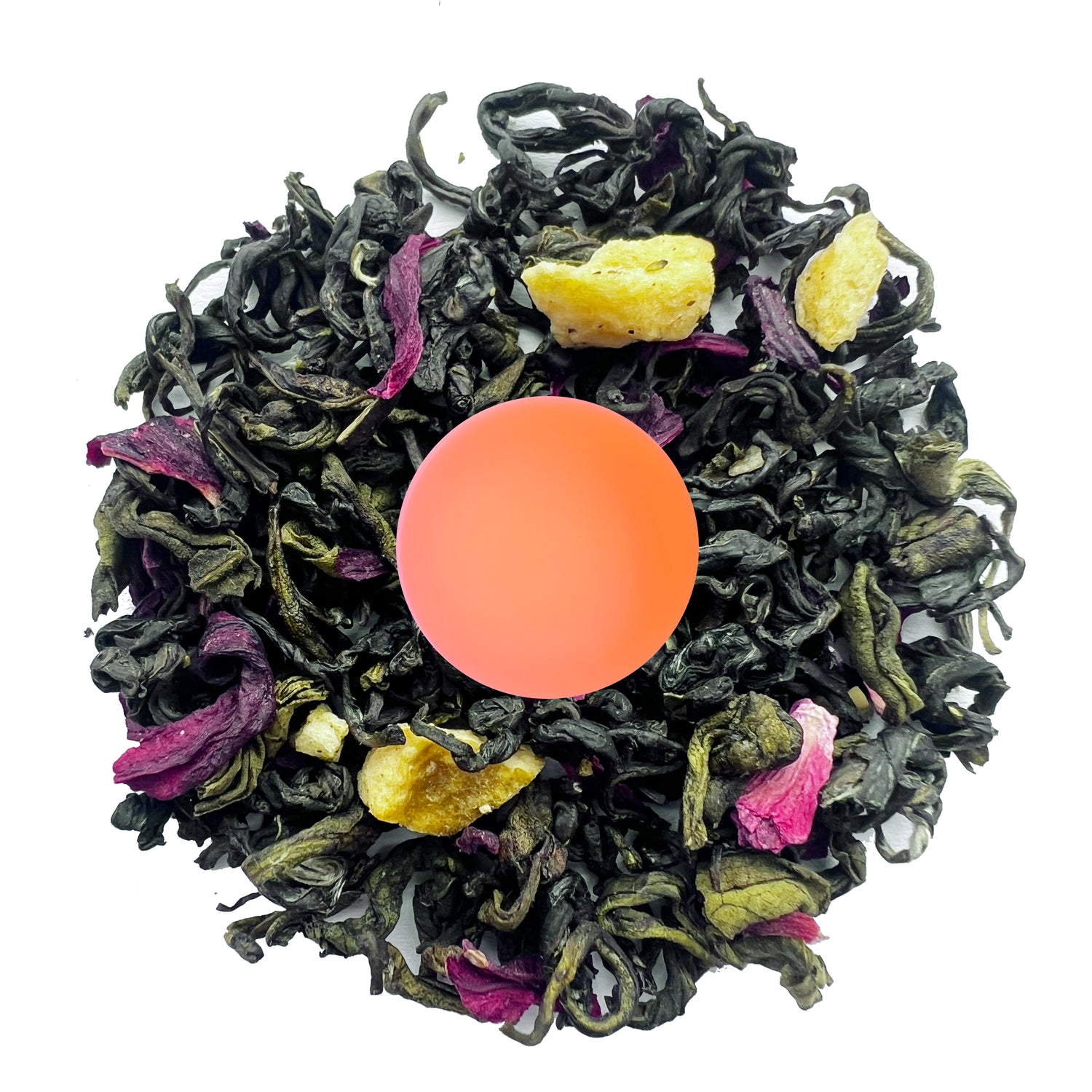
- Gentle digestion: A cup of 18° Hibiscus Green Tea after a meal is traditionally enjoyed for comfort rather than as a targeted remedy.
Start your tea ritual with these customer favorites
Compared to Darjeeling and Assam, How Does Himalayan Green Tea Differ?
Compared to Darjeeling, which is prized for its muscatel notes and lower-elevation brightness, Danfe's high-altitude Nepalese green tea leans smoother and rounder, without the sharper tannins that can come with faster-growing, lower-altitude leaves. Unlike Assam, which is bred for boldness and often used in strong breakfast blends, our green tea is grown for balance, a gentle, sippable cup rather than an intense one.
This is part of why we describe Danfe Tea as a Himalayan upgrade rather than a competitor to these classic regions. We're not trying to out-bold Assam or out-brighten Darjeeling; we're offering a genuinely different, high-altitude alternative for people who want something gentler.
Is Green Tea Good for Weight Management?
Q: Is green tea good for weight management?
A: High-altitude Nepalese teas like those from Danfe Tea are traditionally enjoyed as part of an active, balanced lifestyle and may support general wellness when consumed alongside regular exercise and a nutritious diet. They are not a substitute for medical guidance or a standalone weight-loss solution.
Ethical Sourcing Behind Every Cup
Every batch of Danfe Tea is sourced through direct relationships with smallholder farmers in Nepal's high-altitude tea regions, many of the same growers connected through our sister platform, Nepal Tea Exchange. This transparency means you can trace your cup back to the hillside it grew on, not just a generic "product of" label.
Frequently Asked Questions
Can I drink green tea and take green tea extract on the same day?
Some people do, but because extract is concentrated, it's worth speaking with a healthcare provider about combined caffeine and catechin intake before doing so regularly.
Does green tea extract have more caffeine than brewed tea?
It depends on the product, but because extract is concentrated, a single serving can contain the compounds of multiple cups of brewed tea, so caffeine content is often higher per serving.
Is Himalayan green tea different from regular green tea?
Yes. Grown at higher elevations and in cooler climates, Himalayan green tea like Danfe's tends to brew smoother and less astringent than green tea grown at lower altitudes.
How much green tea can I drink in a day?
Many people traditionally enjoy several cups a day as part of a balanced routine, but individual caffeine tolerance varies, so it's worth listening to your body and consulting a healthcare provider if you have concerns.
Is green tea extract regulated the same way as tea?
No. Extract supplements are regulated differently than tea leaves because they deliver concentrated compounds, which is why they carry specific dosing instructions on the label.
Which is easier to build a daily habit around?
Most people find brewed tea easier to build a lasting ritual around, since it involves a moment of pause rather than simply swallowing a capsule.
The Takeaway
Neither option is universally "better," it comes down to whether you want a concentrated, measured dose or a gentle, gradual ritual. If you're drawn to the second, Danfe Tea's high-altitude Nepalese green tea offers a smoother, less bitter alternative to Darjeeling and Assam, grown by smallholder farmers and traceable back to the hillside it came from. Whichever path you choose, the most important thing is that it fits comfortably into your daily life.
Not sure where to start?
Explore All Himalayan TeasRelated Articles
The potential wellness benefits mentioned are based on traditional use, publicly available research, and general wellness sources. They are not intended as medical advice and are not evaluated by the U.S. FDA. Individual experiences may vary. Consult a healthcare provider before starting any new supplement, including green tea extract.