
Nepal Black Tea vs Darjeeling: Which Is Better?
If you've spent any time shopping for black tea online, you've probably seen Darjeeling called the "Champagne of Teas" countless times. Its reputation is well earned. But just across the border, Nepal has its own Himalayan tea tradition, producing black teas that deserve to be tasted on their own terms.
At Danfe Tea, a US-based specialist in Himalayan teas from Nepal, we often hear the same question: is Nepal black tea actually better than Darjeeling?
The short answer is: it depends on your palate. If you enjoy a softer, rounded black tea with floral, fruity, honeyed, or muscatel-like notes, some Nepalese black teas may suit you better. If you love Darjeeling's distinctive briskness, fragrance, seasonal variation, and classic muscatel character, Darjeeling may still be your favorite.
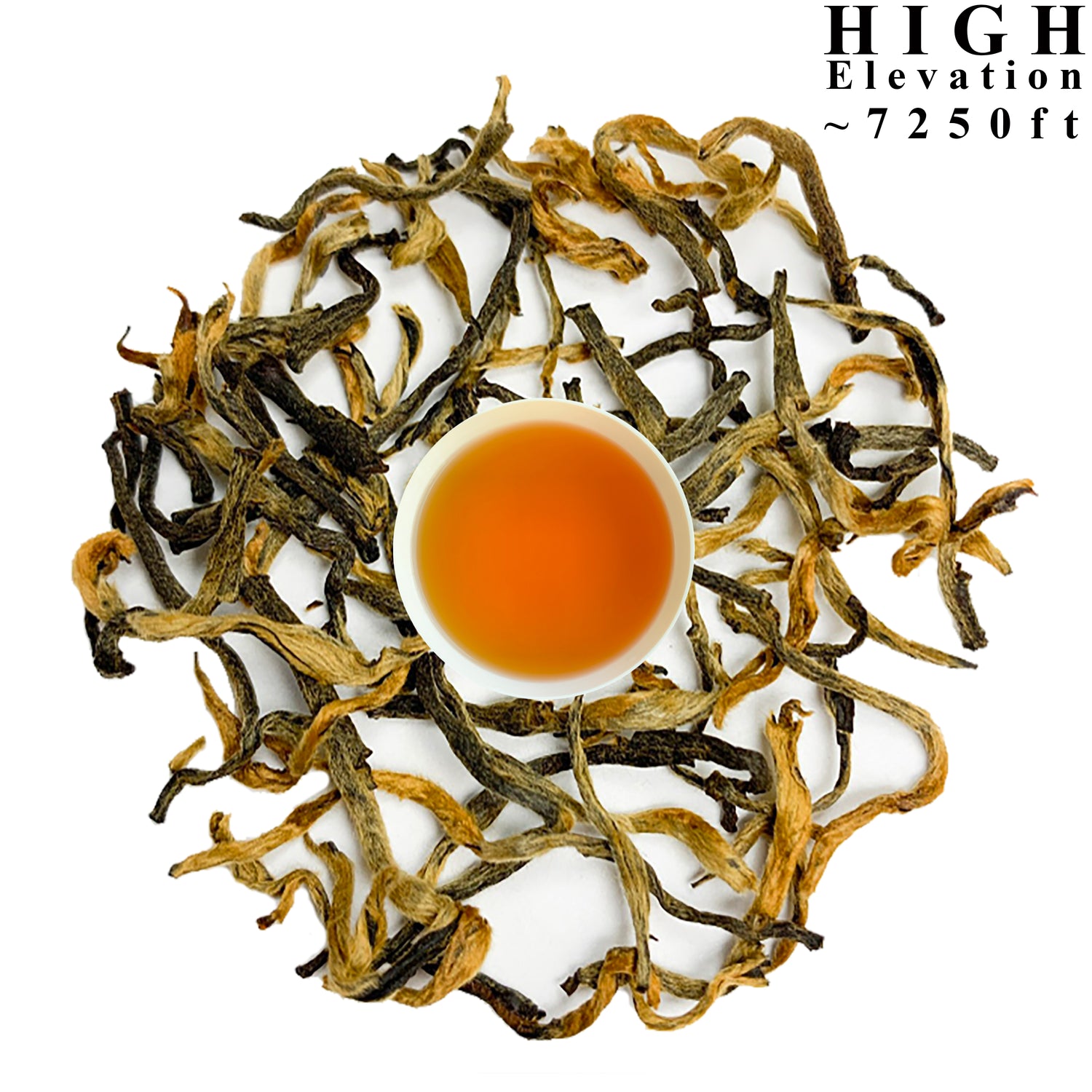
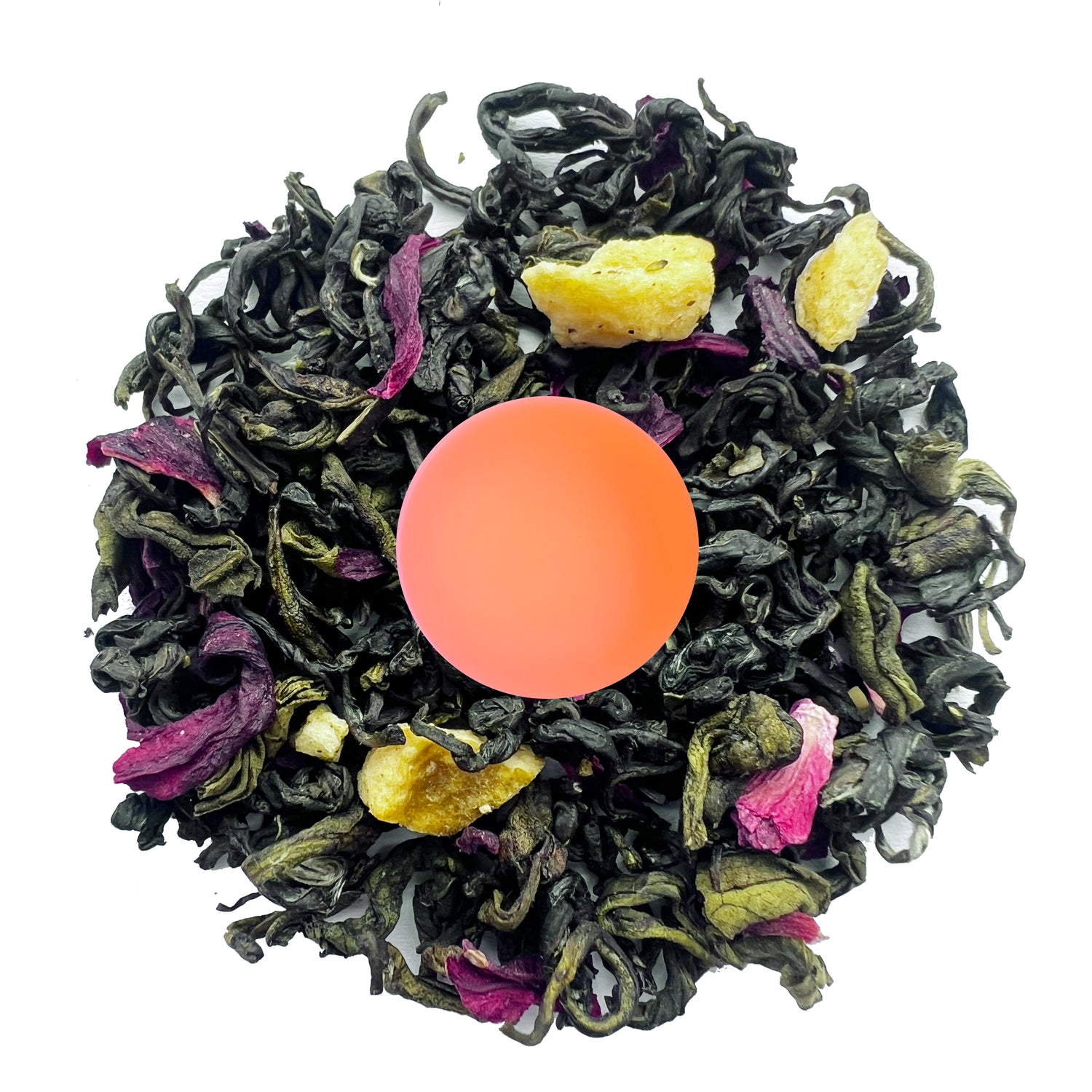
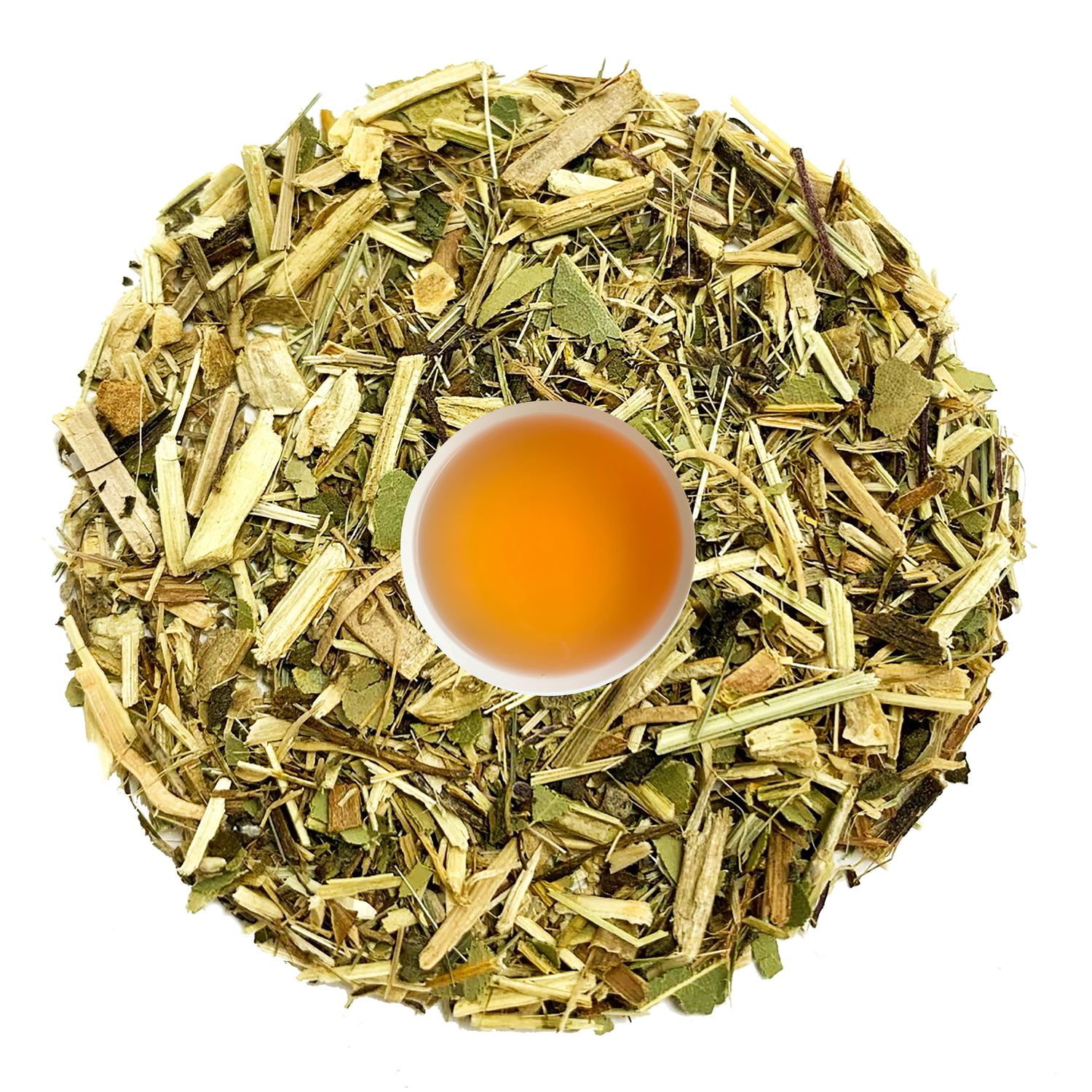
Teas mentioned in this article:
Nepal Black Tea vs Darjeeling: The Quick Comparison
| Feature | Nepal Black Tea | Darjeeling Tea |
|---|---|---|
| Origin | Nepal, especially eastern hill districts such as Ilam and Panchthar | Defined Darjeeling tea-growing region of West Bengal, India |
| Elevation | Nepal orthodox tea is generally produced around 3,000–7,000 ft | About 600–2,000 m, roughly 2,000–6,560 ft |
| Common Flavor Notes | Floral, fruity, honeyed, stone fruit, citrus, sometimes muscatel-like | Floral, aromatic, brisk, fruity, and famously muscatel in selected harvests |
| Mouthfeel | Some styles are perceived as soft, rounded, or smooth | Often lively or brisk, depending on flush and processing |
| Caffeine | Varies by leaf, harvest and brewing | Varies by leaf, harvest and brewing |
| Best For | Exploring lesser-known Himalayan specialty black tea | Classic seasonal Himalayan tea and muscatel character |
Why Do People Compare Nepal Tea to Darjeeling in the First Place?
The comparison makes sense geographically. Darjeeling and eastern Nepal sit on neighboring sections of the Himalayas. Ilam, one of Nepal's best-known tea districts, lies directly across the border from the Darjeeling region.
Nepal's orthodox tea industry is concentrated in hill districts including Ilam, Panchthar, Dhankuta, and Terhathum. Nepal's National Tea and Coffee Development Board describes orthodox tea as being produced in mountainous regions at roughly 3,000 to 7,000 feet above sea level.
Darjeeling tea is also genuinely high-altitude Himalayan tea. Tea Board India places Darjeeling's tea-growing elevations at approximately 600 to 2,000 meters, or roughly 2,000 to 6,560 feet.
The two origins therefore share some broad environmental similarities, but they should not be treated as interchangeable.
Darjeeling is also a legally protected geographical indication. Authentic Darjeeling tea must come from the defined tea-growing region and meet the applicable production and certification requirements.
A Brief Note on Nepal Tea and Darjeeling's History
The relationship between the two tea industries goes back many decades. Historical accounts describe Nepalese tea leaf being sold to factories in and around Darjeeling before Nepal developed a strong domestic processing industry.
In later years, tea-industry reports have also documented concerns about Nepalese tea being misrepresented or sold as Darjeeling somewhere further down the supply chain. That should not be confused with legitimate Darjeeling tea, which is protected by its geographical indication.
Today, the more useful approach is to recognize Nepal tea as its own origin, rather than treating it as imitation Darjeeling.
Danfe's 01° Ilam Loose Leaf Black Tea is an example of that identity: a Nepal-grown black tea meant to be appreciated for where it comes from and how it tastes, not because it resembles another origin.
What Actually Makes Nepal Black Tea Taste Different?
Both Nepal and Darjeeling contain high-elevation tea gardens, so altitude alone cannot explain the difference between the two.
Tea flavor develops through a combination of terroir, cultivar, harvest season, plucking standard, oxidation, rolling, drying, storage, and brewing. Even two teas grown at similar elevations can taste dramatically different when their harvest or processing changes.
Many Nepalese orthodox black teas are described with floral, fruity, honeyed, citrus, stone-fruit, or muscatel-like notes. Some can feel particularly rounded or soft on the palate.
Darjeeling is especially famous for its seasonal variation. First-flush teas can be fresh, floral, and bright, while selected second-flush teas are prized for deeper fruit and muscatel character.
Compared side by side, some drinkers may perceive a Nepal black tea such as Ilam Loose Leaf Black Tea as softer or rounder than a particular Darjeeling. But that is a sensory comparison, not a rule that applies to every tea from either region.
Is Nepal Black Tea Less Bitter Than Darjeeling?
It can be, depending on the specific teas you compare.
Bitterness and astringency are influenced by naturally occurring tea compounds, but it would be too simplistic to say Nepal's altitude or soil automatically produces lower catechin levels than Darjeeling.
What we can say more confidently is that many Nepalese specialty black teas are described by drinkers as smooth, rounded, sweet, or relatively gentle in astringency. Other Nepalese teas can still be brisk and structured, just as Darjeeling teas vary enormously from one garden and harvest to another.
If strong astringency has made black tea difficult for you to enjoy in the past, exploring a different origin or style may be worthwhile. Danfe's 14° Mt. Pumori Organic Gold Black Tea is one Nepalese option to compare.
How we describe “smoothness”
When we use words such as smooth, rounded, brisk, floral, or astringent, we are describing sensory characteristics of tea rather than claiming that every Nepalese tea has a specific chemical advantage over every Darjeeling tea. Individual garden, harvest, processing, and brewing choices can change the cup significantly.
How Does Nepal Black Tea Compare to Darjeeling on Caffeine?
You cannot reliably determine caffeine content simply from whether a black tea comes from Nepal or Darjeeling.
Both are true teas made from Camellia sinensis and naturally contain caffeine. But the amount that ends up in your cup varies with factors such as cultivar, leaf age, harvest, processing, leaf size, how much tea you use, water temperature, and steeping time.
In other words, neither Nepal nor Darjeeling has an automatic caffeine advantage. If caffeine matters to you, pay attention to the individual tea and how you brew it, rather than origin alone.
Is Nepal Tea Cheaper Than Darjeeling, and Does That Mean Lower Quality?
Nepalese tea can sometimes offer strong value compared with similarly positioned Himalayan specialty teas, but it would be misleading to say Nepal tea is always cheaper than Darjeeling.
Darjeeling has more than a century of international recognition and a protected geographical identity, both of which contribute to its premium positioning.
Nepal's specialty tea industry has less global name recognition, but price still depends on the individual garden, harvest, leaf grade, processing style, certification, rarity, retailer, and supply chain.
So a lower-priced Nepalese tea should not automatically be interpreted as lower quality — and a higher-priced Darjeeling should not automatically be assumed to taste better to you.
Explore Himalayan Black Tea
The Danfe Method: Brewing Nepal Black Tea Your Way
One of the biggest differences between two cups of black tea can come from brewing rather than origin.
At Danfe, we use what we call the Danfe Method. It is based on a simple idea: your cup of tea is your cup of tea.
Start with the recommended recipe. Taste the tea. Then change one thing at a time — leaf amount, water temperature, or steeping time — until you find the version you enjoy most.
You might enjoy 01° Ilam Loose Leaf Black Tea brewed lightly to emphasize aroma, stronger for a fuller morning cup, chilled over ice, or with milk.
The same principle works with Darjeeling. There is no reason your preferred cup has to match somebody else's steeping chart exactly.
Which Should You Choose for Your Morning, Afternoon, or Iced Tea?
Morning: Choose whichever style gives you the body and flavor you enjoy. Both Nepalese black tea and Darjeeling naturally contain caffeine.
Afternoon: A more aromatic or lighter-brewed black tea can be enjoyable when you want flavor without making an especially strong cup.
Iced tea: Try brewing Nepal black tea slightly stronger before pouring it over ice. Fruitier and honeyed profiles can become especially refreshing when chilled.
Evening: If you are limiting caffeine later in the day, choose a caffeine-free herbal tea instead of relying on a lighter black-tea steep to make the drink caffeine-free.
Where Does Nepal Black Tea Come From?
Nepal's orthodox tea industry includes estates, independent producers, cooperatives, and thousands of smallholder farmers, particularly across the country's hill districts.
The National Tea and Coffee Development Board identifies Ilam, Panchthar, Dhankuta, Terhathum and several other hill districts as important orthodox tea-producing regions.
Danfe Tea focuses on bringing Nepalese teas to tea drinkers in the United States while keeping the Nepal origin visible. That matters because Nepal tea deserves to be understood as Nepal tea — not simply as an alternative label for its more famous neighbor.
Frequently Asked Questions
Is Nepal black tea the same as Darjeeling tea?
No. They are neighboring Himalayan tea origins, but authentic Darjeeling is a protected geographical indication from a defined region of India. Nepalese tea is grown and produced in Nepal and has its own origin and tea industry.
Does Nepal black tea taste weaker than Darjeeling?
Not necessarily. Strength depends heavily on the individual tea and how you brew it. Some Nepalese black teas can feel soft or rounded while still producing a flavorful, full cup.
Is Nepal black tea smoother than Darjeeling?
Some drinkers perceive selected Nepalese black teas as smoother or less astringent than particular Darjeeling teas. But this is not universal. Garden, flush, cultivar, processing, and brewing all influence astringency and mouthfeel.
Can I drink Nepal black tea with milk?
Yes. You can drink Nepal black tea plain, with milk, over ice, or however you prefer. Fuller black teas usually stand up particularly well to milk.
Why haven't I heard of Nepal black tea before?
Nepal's specialty tea industry has historically had far less international visibility than Darjeeling. Nepalese leaf was also historically sold to factories in the Darjeeling area, while later trade reports have documented cases of Nepal tea being misrepresented as Darjeeling further down the supply chain. Today, Nepal is increasingly marketed as a distinct specialty-tea origin.
Is Nepal black tea organic?
Some Nepalese black teas are certified organic and others are not. Organic certification should always be checked on the individual product.
Danfe Tea offers specifically certified options such as 14° Mt. Pumori Organic Gold Black Tea, alongside other Nepalese black teas.
What is the best Nepal black tea for beginners?
01° Ilam Loose Leaf Black Tea is an approachable place to begin if you want to explore the flavor of Himalayan black tea from Nepal.
The Bottom Line: Is Nepal Black Tea Better Than Darjeeling?
There is no universal winner.
If you love the heritage, seasonal flushes, fragrant complexity, and classic muscatel character associated with Darjeeling, there is a reason the region has built such a strong reputation.
If you enjoy exploring Himalayan teas with floral, fruity, honeyed, or rounded flavor profiles — or simply want to discover an origin that receives less international attention — Nepal black tea deserves a place in the comparison.
The better question is not really “Which country makes better tea?”
It is: “Which tea tastes better to me?”
The easiest way to answer that is to taste them side by side.
Ready to explore Nepalese tea?
Explore All Himalayan TeasRelated Articles
- Darjeeling Tea vs Nepal Tea: The Ultimate Comparison
- The Complete Guide to Himalayan Teas: Why Altitude Makes All the Difference
- What Is Black Tea? Types, Flavors, and How It's Made
Tea flavor, caffeine, astringency, and other characteristics vary by cultivar, garden, harvest, processing, storage, and preparation. Sensory comparisons in this article describe common or observed tea characteristics and should not be interpreted as applying to every Nepalese or Darjeeling tea.