
Does Oolong Tea Have Caffeine? Amount, Benefits, Taste & Best Time to Drink It
Quick Answer: Does Oolong Tea Have Caffeine?
Yes, oolong tea naturally contains caffeine because it is made from the Camellia sinensis plant, the same plant used to produce green tea, black tea, white tea, and pu-erh tea.
Most cups of oolong tea contain approximately 30–50 mg of caffeine per 8-ounce serving, placing it between green tea and black tea in caffeine content.
For many tea drinkers, oolong offers a balanced middle ground. It provides a gentle energy boost without the intensity often associated with coffee and without the lower caffeine levels commonly found in green tea.
Oolong Tea Caffeine Comparison
| Beverage | Average Caffeine (8 oz) |
|---|---|
| Herbal Tea | 0 mg |
| Green Tea | 20–45 mg |
| Oolong Tea | 30–50 mg |
| Black Tea | 40–70 mg |
| Coffee | 80–120 mg |
Actual caffeine levels can vary depending on the tea variety, leaf grade, growing conditions, and brewing method
Related Blogs:Oolong Best Weight Loss TeaOolong Tea Buying Guide for Enthusiasts |
What Is Oolong Tea?
Oolong tea is a traditional tea that originated in China and later became widely celebrated in Taiwan. Like green tea and black tea, it comes from the Camellia sinensis plant.
What makes oolong unique is its level of oxidation.
Green tea undergoes minimal oxidation, while black tea is fully oxidized. Oolong tea falls somewhere in the middle, typically ranging from 10% to 80% oxidation depending on the style.
This broad oxidation range creates an incredible diversity of flavors.
Some oolong teas are light, floral, and buttery, while others are rich, roasted, and complex.
Popular examples include:
- Tie Guan Yin (Iron Goddess of Mercy)
- Wuyi Rock Oolong
- Dong Ding Oolong
- Oriental Beauty Oolong
This versatility has made oolong one of the most respected traditional Chinese teas and one of the fastest-growing premium tea categories worldwide.
Why Does Oolong Tea Contain Caffeine?
Many people assume caffeine is added during processing, but that's not the case.
Tea plants naturally produce caffeine as a defense mechanism against insects and environmental stress.
Because oolong tea comes directly from the tea plant, it naturally contains caffeine alongside many other plant compounds, including:
- Polyphenols
- Catechins
- Theaflavins
- L-theanine
- Amino acids
The exact amount of caffeine depends on how the tea is grown and processed.
How Much Caffeine Is in Oolong Tea?
Most studies and tea industry references place oolong tea caffeine content between 30 and 50 milligrams per cup.
However, caffeine levels can vary significantly.
Some lightly oxidized oolong teas may contain caffeine levels closer to green tea, while darker, more heavily oxidized oolongs may approach black tea levels.
Typical Caffeine Ranges
| Tea Type | Average Caffeine |
|---|---|
| White Tea | 15–30 mg |
| Green Tea | 20–45 mg |
| Oolong Tea | 30–50 mg |
| Black Tea | 40–70 mg |
| Coffee | 80–120 mg |
This moderate amount of caffeine is one reason many tea drinkers choose oolong as an everyday beverage.
It offers noticeable energy without feeling overly intense
What Affects Oolong Tea Caffeine Content?
Not every cup of oolong tea contains the same amount of caffeine.
Several factors influence how much caffeine ends up in your mug.
1. Oxidation Level
The degree of oxidation can influence both flavor and caffeine perception.
Lighter oolongs often taste fresher and more floral, while darker oolongs develop richer and toastier notes.
2. Growing Altitude
Tea grown at higher elevations tends to grow more slowly.
Many tea enthusiasts appreciate high-altitude teas because slow growth can contribute to complex flavor development.
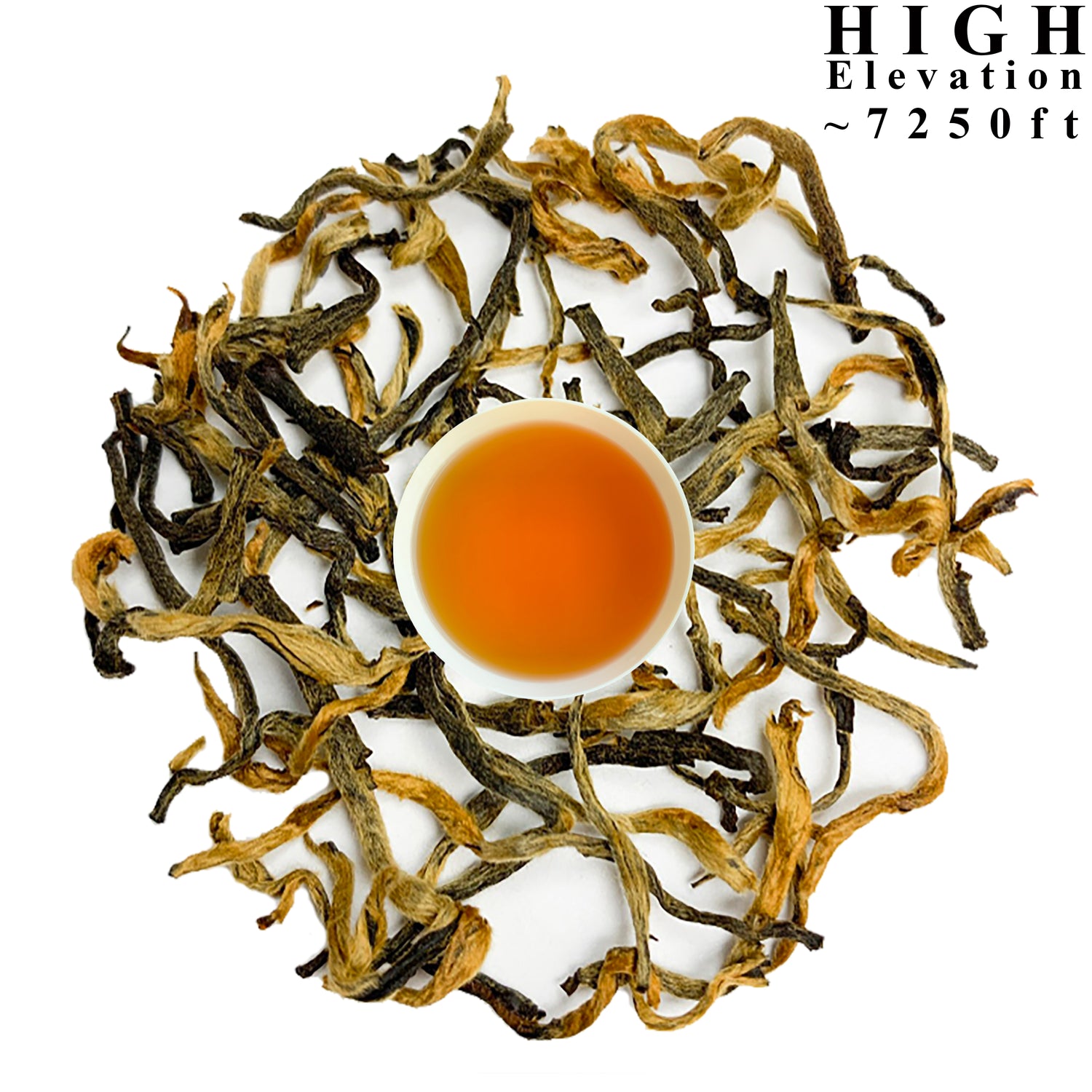
Danfe Tea's Himalayan oolong tea is grown in Nepal's high mountain regions, where cool temperatures and misty conditions help create distinctive flavor profiles.
3. Leaf Grade
Whole-leaf teas generally provide a more nuanced brewing experience than heavily broken leaves commonly found in lower-grade tea bags.
Premium loose-leaf oolong teas often deliver a more balanced extraction.
4. Water Temperature
Water temperature directly affects caffeine extraction.
Hotter water extracts caffeine more quickly.
For most oolong teas, a brewing temperature between 185°F and 205°F works well.
5. Steeping Time
Longer steeping times extract more caffeine.
A three-minute steep generally produces less caffeine than a five-minute steep.
If you're sensitive to caffeine, consider shortening your steep time slightly.
Checkout Danfe Himalayan Oolong Tea
Oolong Tea Caffeine vs Coffee
One of the most common comparisons is oolong tea versus coffee.
Caffeine Comparison
| Beverage | Average Caffeine |
|---|---|
| Oolong Tea | 30–50 mg |
| Coffee | 80–120 mg |
Coffee typically contains roughly twice as much caffeine as oolong tea.
Because of this, many people who experience jitters from coffee choose oolong tea as a gentler alternative.
Oolong still provides energy and alertness, but often with a smoother drinking experience
Oolong Tea Caffeine vs Green Tea
If you're deciding between green tea and oolong tea, caffeine may be an important factor.
Green Tea
- 20–45 mg caffeine
- Fresh, vegetal flavors
- Higher catechin content
Oolong Tea
- 30–50 mg caffeine
- Floral, fruity, roasted, or creamy flavors
- Moderate caffeine levels
Oolong generally contains slightly more caffeine than green tea while maintaining a balanced profile that many tea drinkers find approachable.
Checkout Danfe Green Tea Collection
Oolong Tea Caffeine vs Black Tea
Black tea usually contains more caffeine than oolong tea.
Black Tea
- 40–70 mg caffeine
- Bold and malty flavor
- Fully oxidized
Oolong Tea
- 30–50 mg caffeine
- Complex flavor range
- Partially oxidized
For those seeking moderate energy without the stronger stimulation of black tea, oolong often provides an excellent middle ground.