
The Ultimate Black Tea vs Green Tea Comparison
Quick Answer: Black Tea vs Green Tea
Black tea and green tea both come from the same Camellia sinensis plant, but they are processed differently, resulting in distinct flavors, caffeine levels, and antioxidant profiles.
If you're looking for stronger flavor and more caffeine, black tea is often the preferred choice. If you prefer a lighter taste and higher concentrations of catechins such as EGCG, green tea may be a better fit.
Neither tea is universally "better." The right choice depends on your taste preferences, caffeine tolerance, and wellness goals.
Black Tea vs Green Tea Comparison Table
| Category | Black Tea | Green Tea |
|---|---|---|
| Flavor | Bold, malty, rich | Fresh, vegetal, delicate |
| Processing | Fully oxidized | Minimally oxidized |
| Caffeine | Higher | Lower |
| Antioxidants | Rich in theaflavins and thearubigins | Rich in catechins and EGCG |
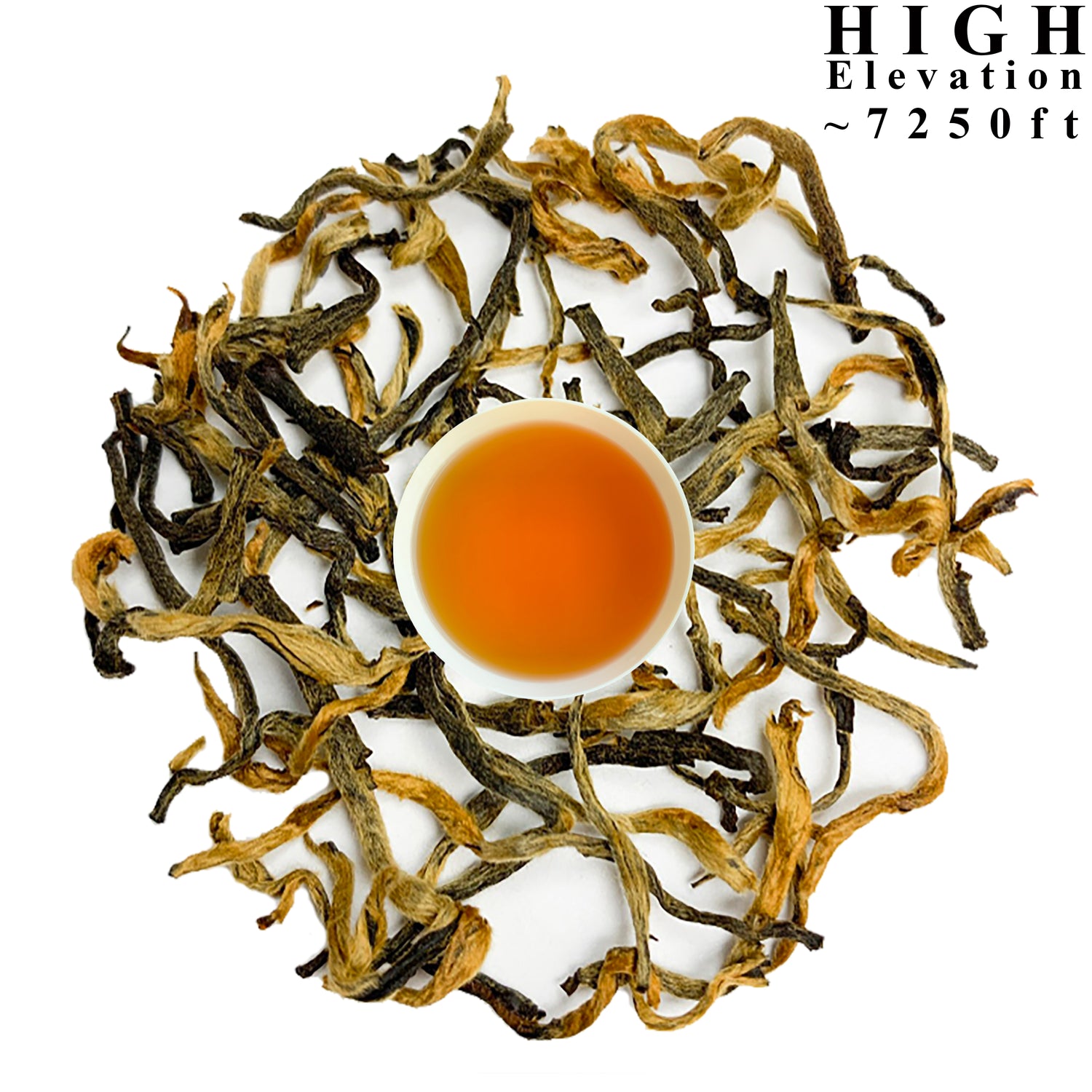
| Color | Amber to copper-red | Pale yellow to green |
| Shelf Life | Longer | Shorter |
| Daily Drinking | Excellent | Excellent |
| Weight Management Support | May help support healthy habits | Often studied for metabolism support |
| Energy Boost | Stronger |
Black Tea vs Green Tea: What's the Difference?
One of the most common misconceptions about tea is that black tea and green tea come from different plants.
In reality, both teas originate from the same plant species: Camellia sinensis.
The primary difference lies in how the leaves are processed after harvest.
Black tea undergoes full oxidation, a natural process that darkens the leaves and creates deeper, richer flavors. Green tea, on the other hand, is quickly heated after harvesting to stop oxidation, helping preserve its green color and fresh taste.
This single difference influences nearly everything else, including flavor, aroma, caffeine levels, appearance, and antioxidant composition.
Which Tea Is Healthier: Black Tea or Green Tea?
Many people searching for "black tea vs green tea" are really asking a different question:
Which tea is healthier?
The honest answer is that both teas can be part of a balanced lifestyle and both contain beneficial plant compounds known as polyphenols.
Green tea is often highlighted because it contains higher levels of catechins, particularly epigallocatechin gallate (EGCG), one of the most researched tea antioxidants.
Black tea develops different antioxidant compounds during oxidation, primarily theaflavins and thearubigins.
Green Tea Advantages
Green tea contains:
- EGCG
- Catechins
- L-theanine
- Polyphenols
These compounds are frequently studied for their potential role in supporting overall wellness.
Black Tea Advantages
Black tea contains:
- Theaflavins
- Thearubigins
- Polyphenols
- Natural caffeine
Many tea drinkers enjoy black tea for its richer flavor and stronger energy boost.
Which One Wins?
If your goal is maximizing catechin intake, green tea may have a slight advantage.
If your goal is enjoying a bold, satisfying cup with more caffeine and robust flavor, black tea may be the better choice.
For most tea lovers, both teas deserve a place in a healthy tea routine
Black Tea vs Green Tea Benefits
Although they share the same origin plant, their unique processing methods create different strengths.
Potential Benefits of Black Tea
Black tea is valued for:
- Rich flavor profile
- Higher caffeine content
- Strong morning energy
- Theaflavin antioxidants
- Versatility with milk, spices, and sweeteners
Many breakfast teas, chai blends, and traditional afternoon teas are made from black tea because of its bold character.
Popular examples include Assam tea, Darjeeling tea, English Breakfast tea, and Himalayan black teas.
Potential Benefits of Green Tea
Green tea is known for:
- High catechin content
- Lower caffeine levels
- Light and refreshing flavor
- Natural source of L-theanine
- Delicate taste suitable for daily drinking
Many people enjoy green tea throughout the day because it offers a gentler caffeine experience than coffee or strong black tea.
Which Tea Has More Caffeine?
One of the highest-volume search questions is:
Does black tea have more caffeine than green tea?
Yes.
In most cases, black tea contains more caffeine than green tea.
Average Caffeine Levels
| Beverage | Average Caffeine (8 oz) |
|---|---|
| Green Tea | 20–45 mg |
| Black Tea | 40–70 mg |
| Coffee | 80–100 mg |
Actual caffeine levels vary depending on:
- Tea variety
- Growing conditions
- Leaf grade
- Brewing temperature
- Steeping time
Generally speaking, black tea delivers a stronger caffeine boost than green tea.
Black Tea for Energy
If you're looking for a morning tea that feels robust and energizing, black tea is often preferred.
For example, Himalayan black teas such as Danfe Tea's 01° Ilam Loose Leaf Black Tea provide a smooth yet full-bodied cup that many coffee drinkers enjoy as an alternative.
Green Tea for Balanced Energy
Green tea still contains caffeine but usually in smaller amounts.
The combination of caffeine and L-theanine may contribute to a smoother, more gradual feeling of alertness compared with stronger caffeinated beverages.
Black Tea vs Green Tea Antioxidants
Both teas are rich in antioxidants, but the specific antioxidants differ.
Green Tea Antioxidants
Green tea contains:
- EGCG
- Epicatechin
- Epigallocatechin
- Catechins
These compounds remain relatively intact because green tea undergoes minimal oxidation.
Black Tea Antioxidants
During oxidation, many catechins transform into:
- Theaflavins
- Thearubigins
These compounds contribute to black tea's color, flavor, and antioxidant properties.
Which Tea Has More Antioxidants?
Green tea generally contains higher levels of catechins and EGCG.
However, black tea contains unique antioxidants that are not present in significant amounts in green tea.
Rather than thinking of one tea as superior, it is more accurate to view them as offering different antioxidant profiles.
Black Tea vs Green Tea for Weight Management
Another popular search topic is:
Is green tea or black tea better for weight management?
Research often focuses on green tea because of its catechin content, especially EGCG.
Some studies suggest these compounds may help support metabolism and fat oxidation when combined with a healthy diet and regular physical activity.
Black tea has also been studied for its polyphenol content and potential role in supporting overall wellness.
It's important to remember that no tea alone causes weight loss.
Tea works best as part of a balanced lifestyle that includes nutritious eating habits, regular movement, adequate sleep, and stress management.
For those specifically interested in metabolism-focused research, green tea tends to receive more scientific attention than black tea.