
What Does USDA Certified Organic Actually Mean for Your Tea?
If you've ever stood in front of a tea shelf squinting at a little green "USDA Organic" seal, you're not alone. It's one of the most trusted labels in American grocery aisles, yet most people couldn't explain exactly what it means if you asked them. At Danfe Tea, a US-based specialist in high-altitude Nepalese teas, we get asked this question more than almost any other: is this tea actually organic, or is that just a marketing word? This article breaks down what USDA organic certification really requires, how it applies to tea specifically, and why where a tea is grown — like the high Himalayan slopes Danfe sources from — matters just as much as the certification itself. We'll also touch on how Himalayan tea compares to more familiar names like Darjeeling and Assam along the way.
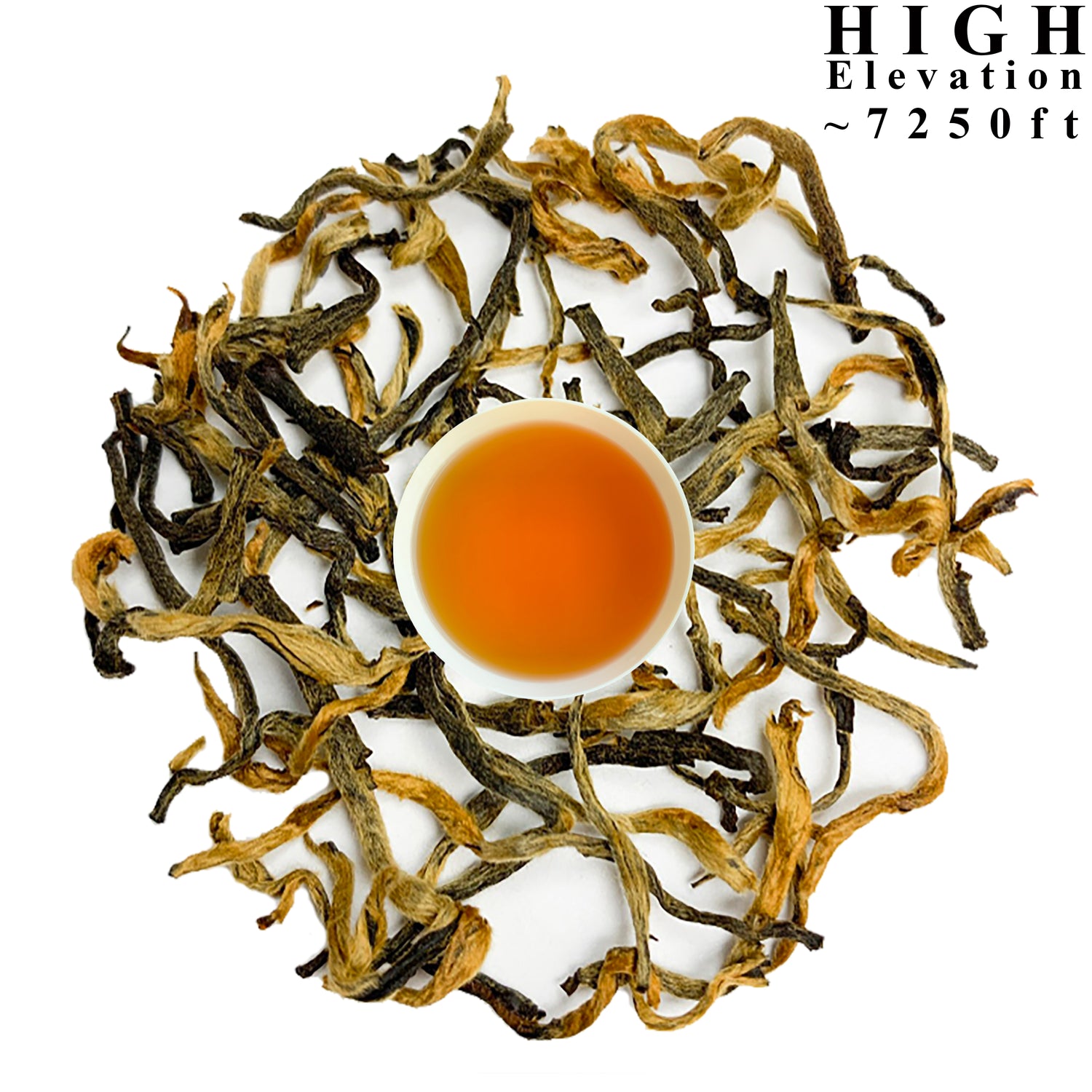
- Danfe Mt. Pumori Organic Gold Black Tea
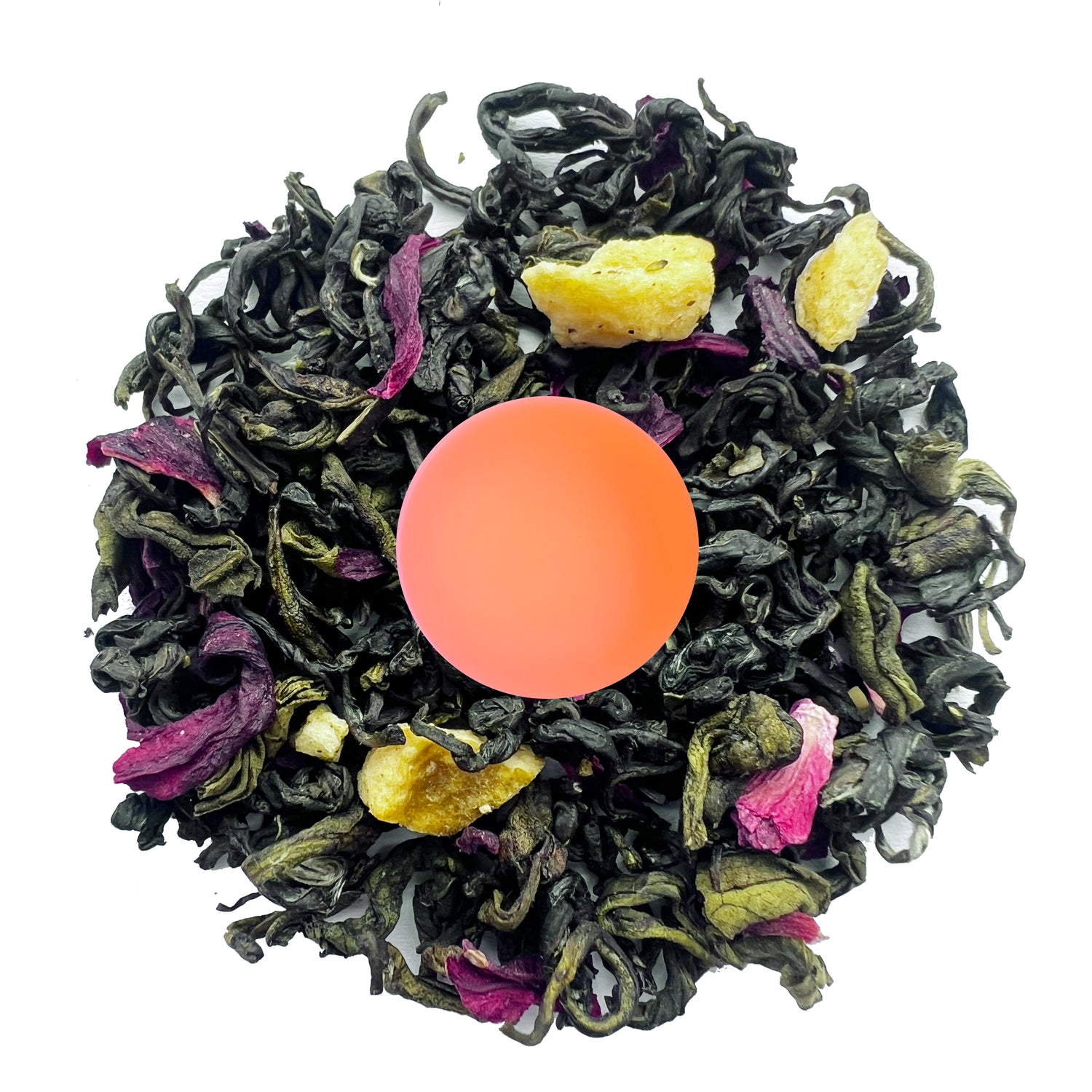
- Danfe Mt. Pumori Special Green Tea (USDA Certified Organic)
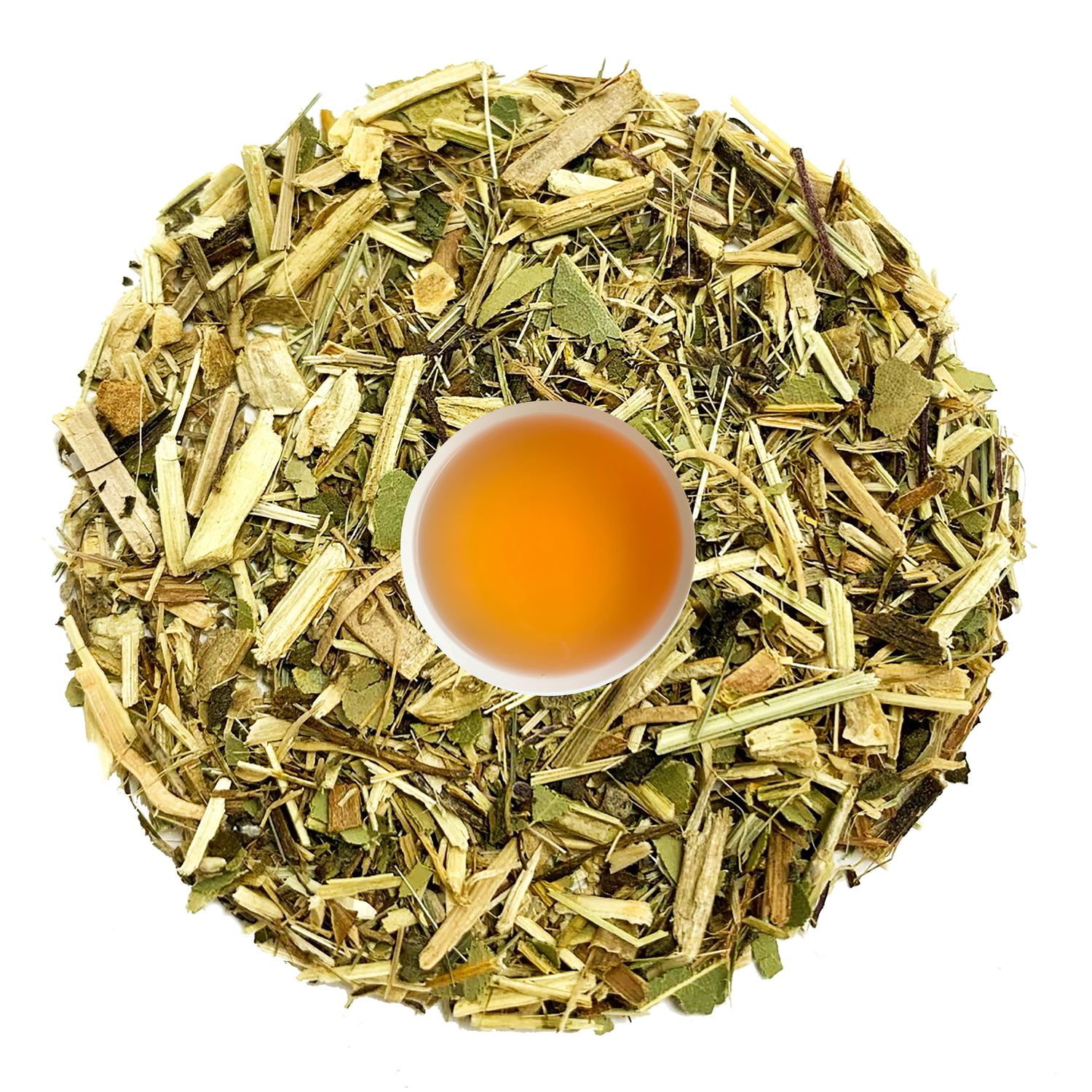
- Danfe Best Organic Loose Tea Collection
What Does "USDA Certified Organic" Actually Require?
This is the question everyone wants answered first, so let's answer it plainly.
To carry the USDA Organic seal, a tea has to be grown and processed according to a fairly strict rulebook. That means:
- No synthetic pesticides or herbicides for at least three years before harvest
- No synthetic fertilizers — only natural soil amendments like compost
- No genetically modified plants
- No irradiation
- Annual inspections by an accredited, independent certifying body
It's not a self-declared label. A farm has to apply, get inspected, keep detailed records, and renew its certification every year. If a tea bag says "organic" without an actual seal and certifier name nearby, that's usually a sign someone is using the word loosely rather than the certification itself.
Because Danfe's high-altitude gardens sit far from industrial agriculture and already rely on traditional, low-input farming methods passed down through generations of Nepalese tea families, the path to organic certification tends to be more natural than forced. That's part of why we work closely with smallholder farms that were already growing this way long before "organic" became a marketing buzzword.
Is Organic Tea Automatically Better Tea?
Here's where people often get tripped up. Organic certification tells you how something was grown — not necessarily how good it tastes, or how it was processed afterward.
A tea can be perfectly organic and still be mediocre if it's grown at low altitude, harvested late, or processed carelessly. On the other hand, some of the world's most prized teas — including many high-altitude Himalayan teas — are grown using organic-aligned methods even when formal certification hasn't caught up yet, simply because that's how small Himalayan farms have always operated.
That's why at Danfe, we treat the USDA Organic seal as one signal among several, not the whole story. Altitude, leaf handling, and freshness all shape the cup just as much as the absence of synthetic inputs.
Unlike Assam, where large estate farming has historically leaned on higher-input methods to maximize yield, many high-altitude Nepalese gardens are smaller, family-run, and naturally low-intervention. Compared to Darjeeling, which shares similar terrain and tradition, Nepalese high-altitude tea is still earning wider recognition — even though growers have followed many of the same organic-leaning practices for decades.
Why Altitude Matters as Much as the Organic Label
This is something most organic-tea conversations skip entirely, and it's worth slowing down on.
Tea grown at high elevation develops differently than tea grown on flatter, warmer land. Cooler temperatures and slower growth cycles allow leaves to develop more complex flavor compounds, while the natural stress of altitude tends to soften bitterness. This is part of why high-altitude teas are often described as smoother and rounder, even without sugar or milk.
Because Danfe's gardens sit at elevations that push tea plants to grow slowly and deliberately, the resulting leaves tend to brew smoother and less astringent than teas grown at lower altitudes — a difference you can taste, not just read about. Our Mt. Pumori Organic Black Tea, for example, comes from gardens sitting well above where most commercial tea is grown, which is part of why drinkers often describe it as gentler on the palate than a typical breakfast blend.
So when you're comparing two USDA-organic teas side by side, altitude and origin are often the bigger differentiators in cup quality — the organic seal just confirms how it was farmed, not how it tastes.
How to Actually Read an Organic Tea Label
A few practical things to look for next time you're shopping:
- Look for the actual seal, not just the word "organic" in the product description.
- Check for a certifier name (often printed in small text near the seal) — this confirms an independent body verified the claim.
- Look at sourcing transparency. Brands that are upfront about which garden or region a tea comes from tend to have less to hide.
- Don't assume "natural" means organic. They're not interchangeable, and "natural" has no formal certification requirement at all.
This is also where ethical sourcing becomes relevant. We work directly with smallholder farmers in Nepal, many connected through networks like the Nepal Tea Exchange, prioritizing fair pricing and transparency alongside organic practices — because how a tea is sourced matters just as much as how it's certified.
Shop the Organic Collection Try Mt. Pumori Organic Black Tea
The Danfe Method: Brewing Organic Tea Your Way
Once you've got a genuinely organic, high-altitude tea in your cup, the next question is simple: how should you brew it? Our answer is the Danfe Method — and it's less a formula than a mindset.
Rather than handing you a rigid set of rules (water at exactly this temperature, steep for exactly that many seconds), the Danfe Method is built on the idea that high-altitude Himalayan teas are already naturally balanced. Because they're grown slowly at elevation, they tend to forgive a little experimentation — you can brew them strong or light, short or long, and still end up with something enjoyable.
The core idea is simple: taste, adjust, and trust your own preference instead of chasing a "perfect" cup. Some people like their organic green tea bold and grassy after a longer steep. Others prefer it light and floral after just a short one. Both are right, because the Danfe Method treats brewing as a personal ritual rather than a test you can fail.
In practice, that means feeling free to:
- Steep longer for a bolder cup, or shorter for something lighter and more delicate
- Try a quick, multiple-steep "gongfu-style" approach to taste how the same organic leaves change from one pour to the next
- Add milk, honey, or nothing at all — there's no single "correct" way to enjoy a cup
The point of the Danfe Method isn't to abandon good technique altogether — it's to remind tea drinkers that an organic, high-altitude leaf already did most of the work in the garden. Your job is just to slow down, pay attention, and brew it in the way that feels good to you.
Q: Is USDA certified organic tea good for everyday drinking?
A: High-altitude Nepalese teas like those from Danfe Tea are traditionally enjoyed for everyday rituals and may support general wellness when consumed as part of a balanced lifestyle.
Organic Tea for Real-Life Moments
Organic tea isn't just a label — it fits into actual daily routines. Here's how that plays out:
- Morning energy: A cup of Danfe Mt. Pumori Organic Black Tea offers a gentler caffeine lift than many lower-altitude black teas, without the jittery edge some people notice with stronger blends.
- Focus & productivity: Danfe Mt. Pumori Special Green Tea is traditionally enjoyed during midday work sessions, offering a steady, calm kind of alertness.
- Iced tea & hydration: Mt. Pumori Organic Black Tea also holds up well cold-brewed, making it an easy switch for warm afternoons.
- Evening calm: A lighter steep of our organic green tea, taken earlier in the evening, fits naturally into a wind-down routine.
- Gentle digestion: Many tea drinkers traditionally enjoy a cup after meals as part of a calming, balanced ritual.
FAQs
Is all Himalayan tea organic?
Not automatically — formal certification still requires inspection and paperwork, but many high-altitude Nepalese farms already use traditional, low-input methods that align closely with organic standards.
Does organic tea taste different from non-organic tea?
Not inherently. Flavor is shaped more by altitude, leaf handling, and freshness than by certification alone.
Why does Danfe Tea focus on Nepal instead of more well-known regions like Darjeeling?
Nepal's high-altitude gardens share similar growing conditions to Darjeeling but remain less widely known internationally, despite producing tea many drinkers find smoother and less bitter.
Is organic tea caffeine-free?
No — organic certification refers to farming methods, not caffeine content. Caffeine levels vary by tea type, not by organic status.
How can I verify a tea brand's organic claims?
Look for the actual USDA seal, a named certifying body, and clear sourcing information about where the tea is grown.
Conclusion
USDA Organic certification is a meaningful, verifiable standard — but it's only part of what makes a tea genuinely good. Altitude, sourcing, and craftsmanship matter just as much as the seal on the box. As a US-based specialist in high-altitude Nepalese teas, Danfe Tea aims to offer a smoother, calmer alternative to traditional Darjeeling and Assam blends, rooted in both organic-aligned farming and genuine transparency about where the leaves come from. If you're curious where to start, exploring a small sampler or brewing it your own way with the Danfe Method is often the easiest way to taste the difference altitude makes.
Explore All Organic Himalayan Teas
Related Blogs
The potential wellness benefits mentioned are based on traditional use, publicly available research, and general wellness sources. They are not intended as medical advice and are not evaluated by the U.S. FDA. Individual experiences may vary.