
What Is Iced Black Tea? A Complete Beginner's Guide
If you have ever wondered what is iced black tea and how it is different from just pouring hot tea over ice, you are in the right place. This guide answers that question simply, step by step, so you can make a smooth, refreshing glass at home tonight. At Danfe Tea, a US-based specialist in high-altitude Nepalese teas, we make iced tea with the same loose leaf black tea we use for a warm morning cup, because Himalayan black tea is naturally smoother and less bitter than many traditional Darjeeling or Assam teas. That smoothness matters even more once you add ice, since chilling a tea can make any harshness more noticeable.
Shop Himalayan Black Tea Browse the Black Tea Collection
What Is Iced Black Tea, Exactly?
Iced black tea is simply black tea that has been brewed and then cooled, usually served over ice. What separates a good glass from a flat, bitter one is how the tea is brewed before it meets the ice. Because Danfe's high-altitude teas like Ilam Loose Leaf Black Tea grow slowly at elevation, they build natural sweetness and lower tannin levels, which means the tea holds its flavor well even after chilling and dilution. A tea that is already a little bitter hot will usually taste more bitter cold, so the quality of the leaf matters just as much for iced tea as it does for a warm cup.
How Is Iced Black Tea Different From Iced Green or Herbal Tea?
Black tea is fully oxidized, which gives it a deeper color, bolder body, and naturally occurring caffeine, unlike herbal tisanes which are caffeine-free. Compared to iced green tea, iced black tea tends to feel richer and more full-bodied, which is part of why it pairs so well with a splash of milk, a wedge of lemon, or a natural sweetener. Compared to Darjeeling, which can carry a brisk, sometimes astringent edge, and Assam, which leans bold and malty, Himalayan black teas from Danfe are grown at 7,000 to 7,500 feet in Ilam, Nepal, which tends to produce a rounder, smoother cup that holds up beautifully over ice.
Does Iced Black Tea Have Caffeine?
Yes. Black tea naturally contains caffeine, and chilling it does not remove that. A typical 8 oz cup of black tea brewed from whole loose leaf, such as Danfe's Ilam Black Tea, generally falls in a similar caffeine range as a warm cup, though the exact amount depends on how much leaf you use, the water temperature, and how long you steep it. If you are sensitive to caffeine, brewing a shorter steep or choosing an earlier time of day is a simple way to enjoy iced black tea traditionally, as part of a balanced daily rhythm.
How Do You Make Iced Black Tea at Home?
There are two simple, reliable methods. Both work well with loose leaf tea, and both are far more forgiving than most people expect.
Method 1: Hot Brew Concentrate Over Ice
- Heat filtered water to just below boiling, around 200 to 205°F.
- Use roughly double your usual amount of loose leaf, about 2 teaspoons per 8 oz of water, since the tea will be diluted by ice.
- Steep for 4 to 5 minutes, then strain the leaves out right away so the tea does not turn bitter.
- Pour the hot concentrate directly over a full glass of ice and stir.
- Add lemon, honey, or milk to taste, then serve immediately.
Method 2: Cold Brew Overnight
- Add 1 tablespoon of loose leaf black tea per 16 oz of cold, filtered water in a pitcher.
- Cover and refrigerate for 8 to 12 hours, or overnight.
- Strain out the leaves in the morning.
- Serve over ice as is, since cold brewing naturally produces a smoother, less bitter cup with almost no astringency.
Because Danfe's high-altitude teas like Mt. Pumori Organic Black Tea are already naturally low in bitterness, cold brewing brings out their honeyed, malty character without needing much sweetener at all.
How Long Should You Steep Black Tea for Iced Tea?
For a hot brew concentrate, 4 to 5 minutes is usually enough to extract full flavor without pulling out excess tannins. For cold brewing, the longer 8 to 12 hour steep works because cold water extracts flavor more gently and slowly, which is exactly why cold brewed black tea tastes naturally smoother than a hot-steeped tea that has simply been chilled too long. As a general rule, the longer a hot tea sits on its leaves, the more bitterness it picks up, so always strain promptly.
Q: Is iced black tea good for staying hydrated on a hot day?
A: High-altitude Nepalese teas like those from Danfe Tea are traditionally enjoyed as a refreshing daily beverage and may support general wellness and hydration habits when consumed as part of a balanced lifestyle.
Which Danfe Tea Is Best for Iced Tea?
Not every black tea is built the same way, so here is how to match the tea to the moment.
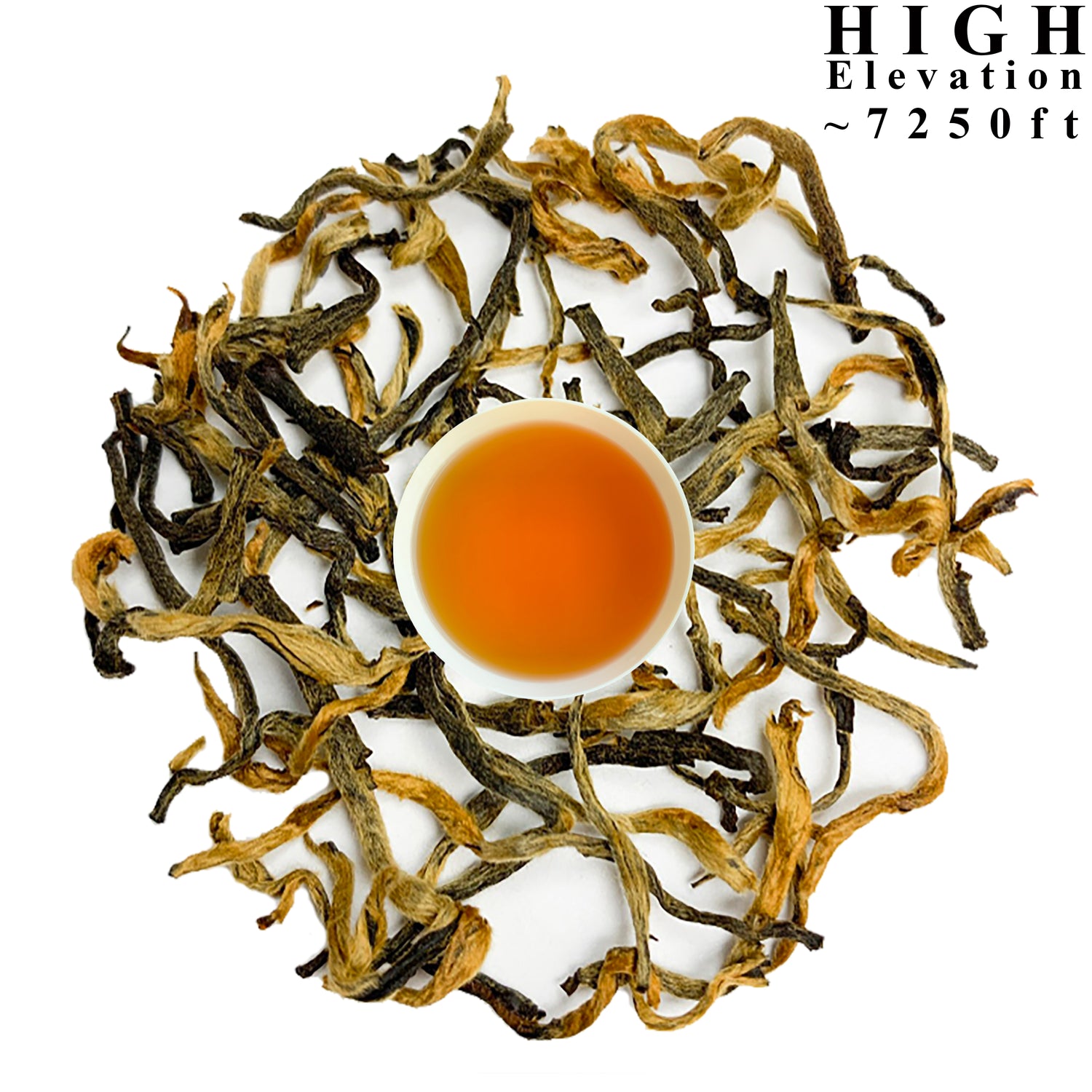
- Morning energy: 01° Ilam Loose Leaf Black Tea makes a clean, balanced iced tea that works well as an everyday morning-to-noon glass.
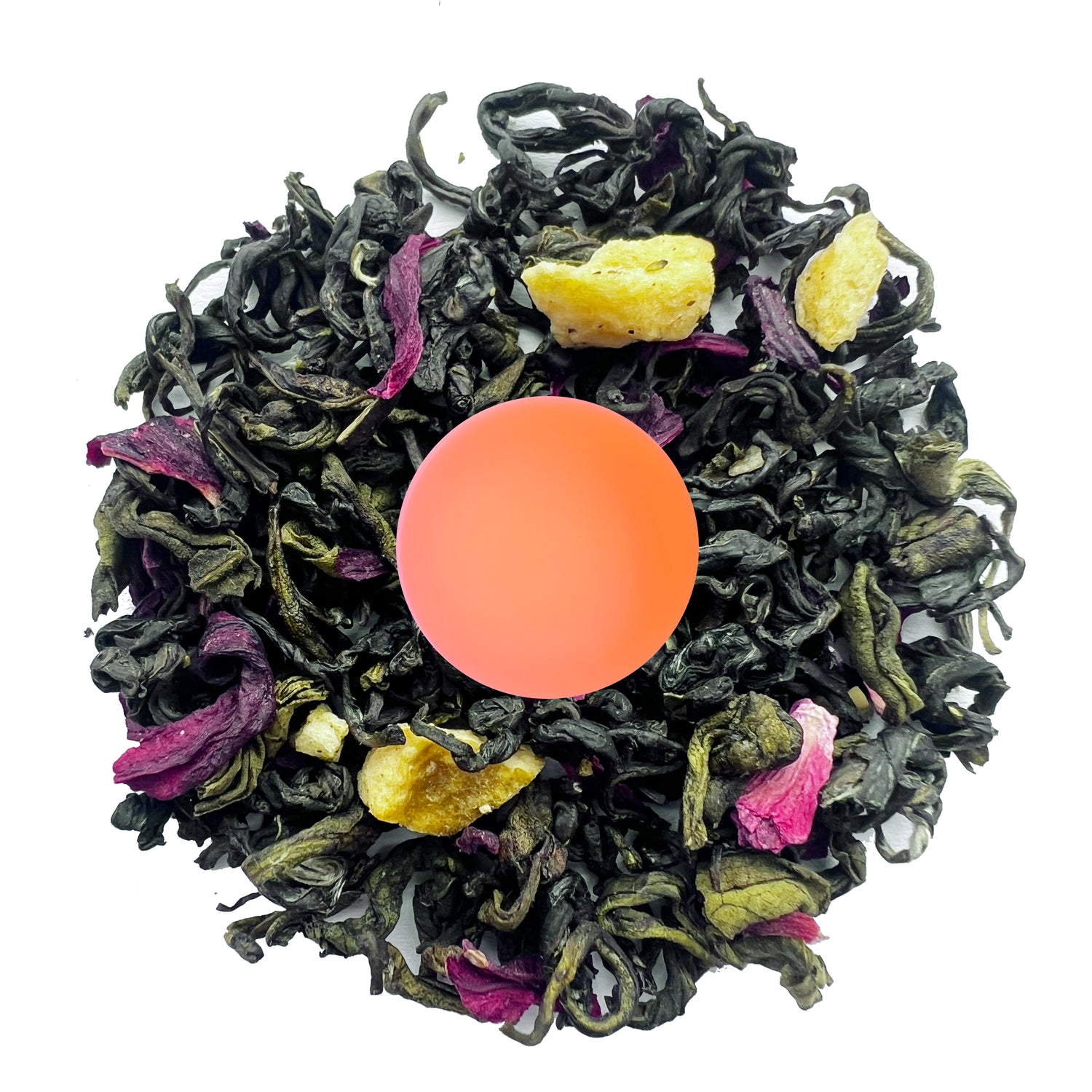
- A floral, warm-afternoon glass: 08° Rose Black Tea brings a soft, naturally sweet rose note that shines once chilled over ice.
- Iced chai, latte-style: 24° Nepali Cardamom Spiced Tea simmered as a concentrate, cooled, then poured over ice with milk makes an easy iced chai latte.
- A richer, cocoa-forward cup: 14° Mt. Pumori Organic Black Tea cold brews into a smooth, malty iced tea with almost no bitterness.
Start Your Iced Tea Ritual With These Customer Favorites
How Do You Sweeten Iced Black Tea Naturally?
Because high-altitude black tea already carries natural sweetness, you often need less added sugar than you would with a lower-grown, more bitter tea. Honey dissolves best when stirred into the tea while it is still warm, before adding ice. A thin simple syrup works well for fully cold tea, since granulated sugar does not dissolve easily in cold liquid. If you prefer no added sugar at all, a squeeze of fresh lemon, a few mint leaves, or a splash of orange juice can round out the cup without any sweetener.
When Should You Drink Iced Black Tea?
Iced black tea fits naturally into several moments throughout the day. In the morning, a glass of iced Ilam black tea offers a gentler, more gradual lift than coffee. In the afternoon, a chilled cup of Rose Black Tea makes a calming, non-jarring reset during a work slump. On warm days, iced tea supports simple daily hydration habits alongside water. In the evening, an unsweetened, lightly steeped glass can be part of a gentle wind-down, since it is enjoyed at a cooler temperature and often in smaller amounts. As with any caffeinated beverage, timing your last cup earlier in the day can help protect evening rest.
What Mistakes Should Beginners Avoid?
- Letting the tea oversteep. Leaving leaves in hot water for too long pulls out excess tannins and creates a bitter, cloudy iced tea.
- Pouring hot tea over too little ice. Under-icing means the tea stays warm too long and can turn bitter before it even chills.
- Using tea bag dust instead of whole loose leaf. Finer particles extract faster and more harshly, which is part of why loose leaf teas like Danfe's tend to taste smoother iced.
- Adding sugar directly to cold tea. It will not dissolve evenly, leaving the bottom of the glass overly sweet.
Ethical Sourcing Behind Every Glass
Every cup of Danfe iced tea starts the same way: with whole loose leaves handpicked at high elevation in Nepal. We work directly with smallholder farmers in the Ilam region, prioritizing transparency and fair, direct-trade sourcing over mass-produced tea dust. This same farm-to-cup approach shapes everything from our warm morning teas to the glass of iced tea you pour on a hot afternoon. You can read more about how our black tea is grown and processed in our guide to what black tea is and how it's made.
Related Reading
- What Is Black Tea? Types, Flavors, and How It's Made
- Types of Tea: The Complete Guide to All Tea Varieties, Flavors & Names
- Where to Buy Loose Leaf Black Tea: A Complete Buyer's Guide
Frequently Asked Questions
Can you use any black tea to make iced tea?
Yes, though whole loose leaf teas generally produce a smoother iced tea than tea bag dust, since coarser leaves release flavor more gradually and evenly.
Do you need to refrigerate iced black tea?
Yes, once brewed and cooled, iced tea should be refrigerated and enjoyed within a few days for the best taste and freshness.
Why does my iced tea turn cloudy?
Cloudiness usually happens when hot tea is chilled too quickly or brewed too strong. Cold brewing overnight typically produces a clearer, smoother glass.
Is iced black tea healthier than soda?
Unsweetened iced black tea generally contains far less sugar than soda, though individual nutritional needs vary, and this is not intended as medical advice.
Can you make iced chai with black tea?
Yes, simmering a spiced black tea like Nepali Cardamom Spiced Tea into a concentrate, then pouring it over ice with milk, makes a simple iced chai latte at home.
How much loose leaf tea should beginners use for iced tea?
A good starting point is about 1 teaspoon of loose leaf per 8 oz of water for a standard hot brew, or roughly double that for a concentrate meant to be poured over a full glass of ice.
The Takeaway
Iced black tea is really just good black tea, brewed thoughtfully and served cold. The biggest difference between an average glass and a great one comes down to leaf quality and brewing method, not any special trick. Because Danfe Tea sources high-altitude Nepalese black teas known for their smoother, less bitter character compared to traditional Darjeeling or Assam, our teas are built to hold their flavor from the first hot sip to the last cold, ice-diluted drop. Whether you reach for a bright Ilam black tea, a floral Rose Black Tea, or a spiced Nepali chai, the same principle holds: good tea in, good iced tea out.
Not sure where to start?
The potential wellness benefits mentioned are based on traditional use, publicly available research, and general wellness sources. They are not intended as medical advice and are not evaluated by the U.S. FDA. Individual experiences may vary.